
11:45 pm, Sunday, 7 December 2025

JUDGE SLAPS ONE-YEAR LIMIT ON GOOGLE’S DEFAULT SEARCH DEALS

Sarakhon Report

US court moves to loosen Google’s grip on search and AI defaults

A US federal judge has ordered that Google’s lucrative contracts making its search engine and AI services the default on phones, browsers and other devices be capped at one year. The decision expands on remedies from the Justice Department’s landmark antitrust case, which already found that Google illegally maintained its search monopoly through multi-year, multibillion-dollar agreements. By forcing annual renegotiation, the court aims to give device makers and carriers more freedom to test alternatives and to pit big tech companies against each other for default slots. The move signals that regulators are willing to tinker with the “plumbing” of the internet—those invisible settings screens that most users never change but which drive enormous advertising and data profits.

For Google, the ruling threatens a core pillar of its business model. Exclusive or long-term defaults on Android phones, Apple’s Safari, and other platforms have helped the company amass an overwhelming share of global search queries. Critics argue that when every new device quietly funnels users into the same search box, rivals never get a fair shot, no matter how good their technology may be. Annual contracts could make it easier for smaller search engines or AI assistants to bid for exposure, particularly in niche markets like privacy-focused search, kid-friendly devices or enterprise hardware. Investors, meanwhile, will be scrutinising whether short-term deals weaken Google’s leverage on pricing and bundle negotiations.
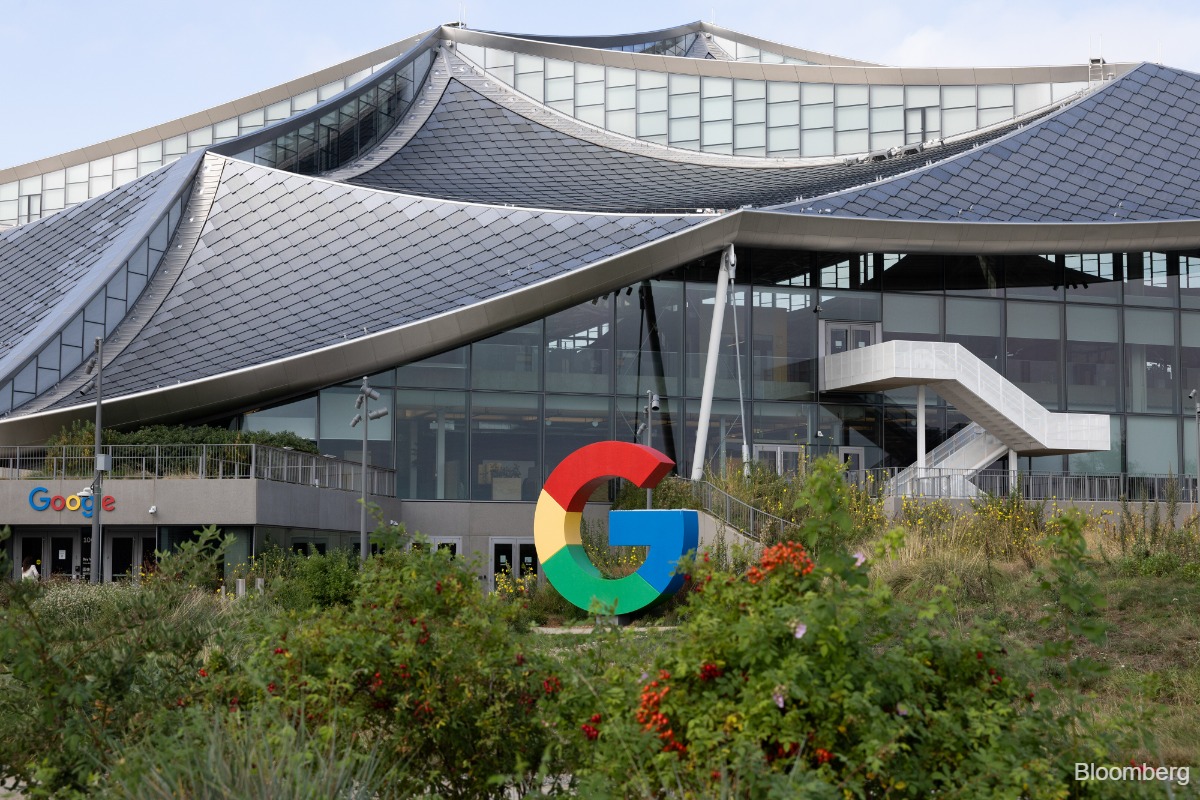
Google must limit default contracts to one year, judge rules

The ruling also matters for the next generation of AI assistants, where “default” may mean more than just a search bar at the top of a browser. As phone makers, car companies and smart TV brands race to build voice and chat-based assistants into their products, they are increasingly signing long-term partnerships with AI providers. If those agreements are also constrained to one year, the ecosystem could become more fluid, with users periodically nudged to try new assistants or even choose among several at setup. Google has argued that users are free to change their defaults at any time and often do; regulators counter that most people never touch those settings and that competition must be built into the design, not left to hidden menus.

The tech industry is watching closely to see whether the decision becomes a template for other markets. Apple, Microsoft and Amazon all rely on default placements to steer traffic toward their own services—from app stores to voice assistants and cloud storage. If courts and regulators conclude that long-term defaults inherently freeze out rivals, they may push for similar caps in browsers, app marketplaces or even car dashboards. Consumer groups are likely to push next for more explicit choice screens, making it harder for any single company to quietly occupy the most valuable digital real estate year after year. For now, Google faces the immediate task of redrafting its contracts, convincing partners it remains the safest bet, and adjusting to a world where its dominance will be tested at least once a year on every major platform.


Judge Orders Google to Limit Default Search Deals to One Year - Business  Insider


03:48:55 pm, Sunday, 7 December 2025

JUDGE SLAPS ONE-YEAR LIMIT ON GOOGLE’S DEFAULT SEARCH DEALS

03:48:55 pm, Sunday, 7 December 2025

US court moves to loosen Google’s grip on search and AI defaults

A US federal judge has ordered that Google’s lucrative contracts making its search engine and AI services the default on phones, browsers and other devices be capped at one year. The decision expands on remedies from the Justice Department’s landmark antitrust case, which already found that Google illegally maintained its search monopoly through multi-year, multibillion-dollar agreements. By forcing annual renegotiation, the court aims to give device makers and carriers more freedom to test alternatives and to pit big tech companies against each other for default slots. The move signals that regulators are willing to tinker with the “plumbing” of the internet—those invisible settings screens that most users never change but which drive enormous advertising and data profits.

For Google, the ruling threatens a core pillar of its business model. Exclusive or long-term defaults on Android phones, Apple’s Safari, and other platforms have helped the company amass an overwhelming share of global search queries. Critics argue that when every new device quietly funnels users into the same search box, rivals never get a fair shot, no matter how good their technology may be. Annual contracts could make it easier for smaller search engines or AI assistants to bid for exposure, particularly in niche markets like privacy-focused search, kid-friendly devices or enterprise hardware. Investors, meanwhile, will be scrutinising whether short-term deals weaken Google’s leverage on pricing and bundle negotiations.

Google must limit default contracts to one year, judge rules

The ruling also matters for the next generation of AI assistants, where “default” may mean more than just a search bar at the top of a browser. As phone makers, car companies and smart TV brands race to build voice and chat-based assistants into their products, they are increasingly signing long-term partnerships with AI providers. If those agreements are also constrained to one year, the ecosystem could become more fluid, with users periodically nudged to try new assistants or even choose among several at setup. Google has argued that users are free to change their defaults at any time and often do; regulators counter that most people never touch those settings and that competition must be built into the design, not left to hidden menus.

The tech industry is watching closely to see whether the decision becomes a template for other markets. Apple, Microsoft and Amazon all rely on default placements to steer traffic toward their own services—from app stores to voice assistants and cloud storage. If courts and regulators conclude that long-term defaults inherently freeze out rivals, they may push for similar caps in browsers, app marketplaces or even car dashboards. Consumer groups are likely to push next for more explicit choice screens, making it harder for any single company to quietly occupy the most valuable digital real estate year after year. For now, Google faces the immediate task of redrafting its contracts, convincing partners it remains the safest bet, and adjusting to a world where its dominance will be tested at least once a year on every major platform.

Judge Orders Google to Limit Default Search Deals to One Year - Business  Insider