12:20 am, Monday, 20 April 2026

Bangladesh Faces $4.8 Billion Annual Energy Cost Surge as Hormuz Crisis Bites

Sarakhon Report

A Fiscal Emergency in the Making

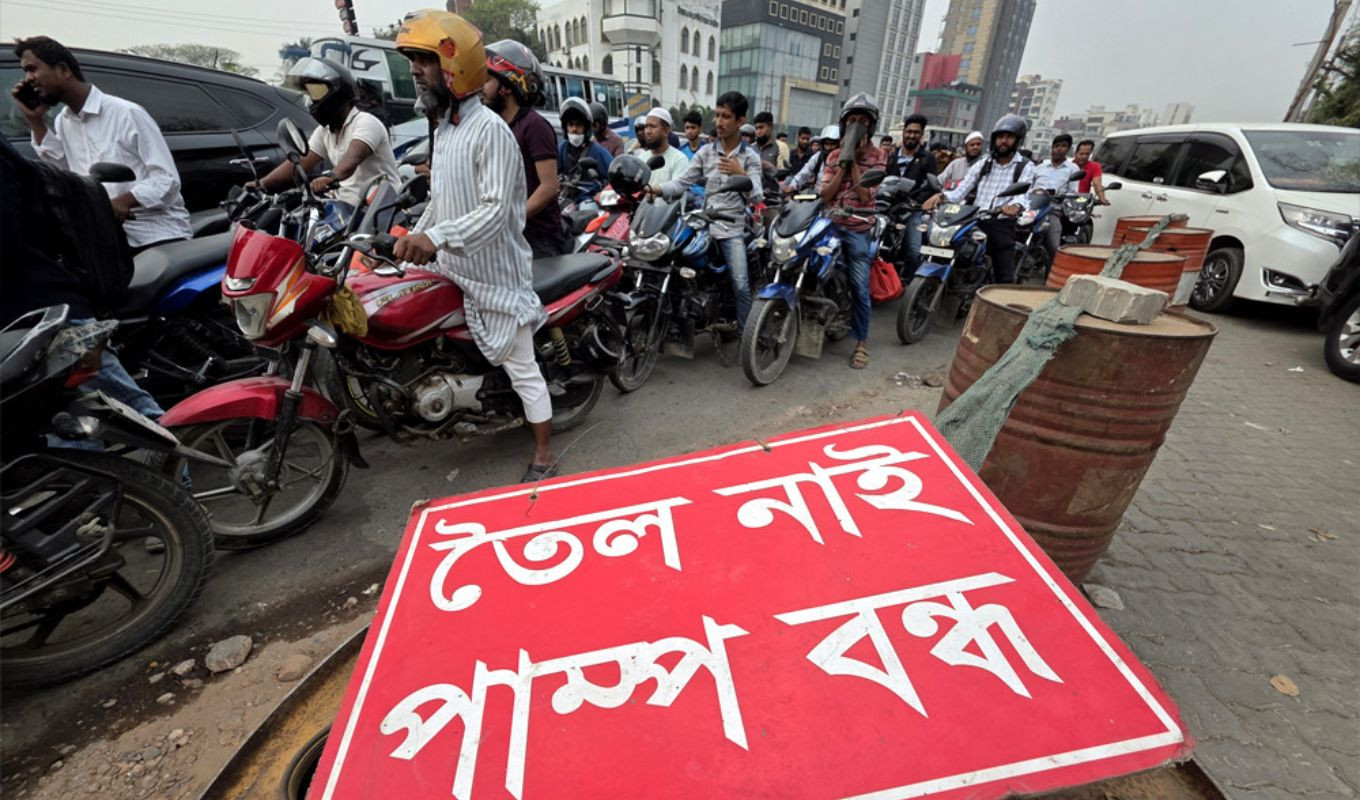
Bangladesh is confronting what energy analysts are calling a near-perfect storm of external shocks and pre-existing structural vulnerabilities, as the Middle East war’s disruption of global fuel supply chains inflicts direct damage on one of Asia’s most import-dependent economies. A report by Lion City Advisory Research estimates that the country’s energy import costs have already risen by seven hundred sixty to eight hundred thirty million dollars per month in early 2026 — pushing Bangladesh toward what the firm characterises as a fiscal emergency. A separate analysis by Zero Carbon Analytics projects that the annual fossil fuel import bill will surge by four point eight billion dollars, a forty percent increase from 2025 levels, if current global energy prices hold through the year. That figure represents roughly one point one percent of Bangladesh’s entire 2024 gross domestic product.

Bangladesh imports approximately one point four million tonnes of crude oil annually under long-term contracts with Saudi Aramco and Abu Dhabi National Oil Company — both of which flow through the Strait of Hormuz. An Aramco cargo of one hundred thousand tonnes bound for Bangladesh was already delayed in the Gulf in early March due to the war. The Bangladesh Petroleum Corporation confirmed that around sixty thousand tonnes of diesel planned for import in March had been deferred or cancelled. Spot liquefied natural gas, or LNG, prices meanwhile spiked one hundred twenty-five percent to over twenty-two dollars per million British thermal units, compounding the crisis for a country that had already planned forty-one new LNG-fired power plants at an estimated total cost of fifty billion dollars.

Hormuz shock exposes Bangladesh's fuel, export risks amid fresh global  inflation fears | The Business Standard

Remittances Under Pressure, Export Risks Emerging

Bangladesh’s exposure to the Middle East runs far deeper than energy imports. Nearly half of the country’s more than thirty billion dollars in annual remittances originates from Gulf countries. Saudi Arabia, Oman, Qatar, the UAE and Kuwait together accounted for eighty-six percent of Bangladeshi migrant workers placed abroad in fiscal year 2024-25. The Asian Development Bank warned in a report released this month that a prolonged conflict could lower economic growth across developing Asia by up to one point three percentage points over 2026 and 2027, and push inflation up by three point two percentage points. Hundreds of Middle East-bound flights from Bangladesh have already been cancelled, blocking migrant worker departures and slowing the pipeline of future remittances. Seasonal Eid transfers had provided a brief buffer, but analysts warned this resilience should not be mistaken for immunity.

Bangladesh’s garment export sector, which accounts for eighty percent of the country’s export earnings, is also feeling the impact through Gulf airspace closures, higher freight and insurance charges, and cargo backlogs. A twenty percent US tariff on Bangladeshi exports introduced in August 2025 compounds the external pressure. The Dhaka Chamber of Commerce and Industry has issued a formal statement of concern. Long-term structural analysts point out that Bangladesh’s renewable energy deployment remains critically behind target — only three hundred fifty-eight megawatts of new capacity was under construction in February 2026, against the seven hundred sixty megawatts per year needed to meet 2030 targets. Analysts noted that the billions being absorbed by fossil fuel price shocks represent a missed opportunity to finance the energy transition that could insulate Bangladesh from future crises.


05:49:02 pm, Monday, 30 March 2026

Bangladesh Faces $4.8 Billion Annual Energy Cost Surge as Hormuz Crisis Bites

05:49:02 pm, Monday, 30 March 2026

A Fiscal Emergency in the Making

Bangladesh is confronting what energy analysts are calling a near-perfect storm of external shocks and pre-existing structural vulnerabilities, as the Middle East war’s disruption of global fuel supply chains inflicts direct damage on one of Asia’s most import-dependent economies. A report by Lion City Advisory Research estimates that the country’s energy import costs have already risen by seven hundred sixty to eight hundred thirty million dollars per month in early 2026 — pushing Bangladesh toward what the firm characterises as a fiscal emergency. A separate analysis by Zero Carbon Analytics projects that the annual fossil fuel import bill will surge by four point eight billion dollars, a forty percent increase from 2025 levels, if current global energy prices hold through the year. That figure represents roughly one point one percent of Bangladesh’s entire 2024 gross domestic product.

Bangladesh imports approximately one point four million tonnes of crude oil annually under long-term contracts with Saudi Aramco and Abu Dhabi National Oil Company — both of which flow through the Strait of Hormuz. An Aramco cargo of one hundred thousand tonnes bound for Bangladesh was already delayed in the Gulf in early March due to the war. The Bangladesh Petroleum Corporation confirmed that around sixty thousand tonnes of diesel planned for import in March had been deferred or cancelled. Spot liquefied natural gas, or LNG, prices meanwhile spiked one hundred twenty-five percent to over twenty-two dollars per million British thermal units, compounding the crisis for a country that had already planned forty-one new LNG-fired power plants at an estimated total cost of fifty billion dollars.

Hormuz shock exposes Bangladesh's fuel, export risks amid fresh global  inflation fears | The Business Standard

Remittances Under Pressure, Export Risks Emerging

Bangladesh’s exposure to the Middle East runs far deeper than energy imports. Nearly half of the country’s more than thirty billion dollars in annual remittances originates from Gulf countries. Saudi Arabia, Oman, Qatar, the UAE and Kuwait together accounted for eighty-six percent of Bangladeshi migrant workers placed abroad in fiscal year 2024-25. The Asian Development Bank warned in a report released this month that a prolonged conflict could lower economic growth across developing Asia by up to one point three percentage points over 2026 and 2027, and push inflation up by three point two percentage points. Hundreds of Middle East-bound flights from Bangladesh have already been cancelled, blocking migrant worker departures and slowing the pipeline of future remittances. Seasonal Eid transfers had provided a brief buffer, but analysts warned this resilience should not be mistaken for immunity.

Bangladesh’s garment export sector, which accounts for eighty percent of the country’s export earnings, is also feeling the impact through Gulf airspace closures, higher freight and insurance charges, and cargo backlogs. A twenty percent US tariff on Bangladeshi exports introduced in August 2025 compounds the external pressure. The Dhaka Chamber of Commerce and Industry has issued a formal statement of concern. Long-term structural analysts point out that Bangladesh’s renewable energy deployment remains critically behind target — only three hundred fifty-eight megawatts of new capacity was under construction in February 2026, against the seven hundred sixty megawatts per year needed to meet 2030 targets. Analysts noted that the billions being absorbed by fossil fuel price shocks represent a missed opportunity to finance the energy transition that could insulate Bangladesh from future crises.