
Bangladesh’s development is facing a deep financial and structural crisis. Economic growth is slowing, investment is weakening, risks in the banking sector are mounting, and government revenue collection remains far below what is needed. Uncertainty over energy supplies is disrupting industrial production. Meanwhile, sluggish job creation is contributing to rising poverty and inequality.
Several World Bank assessments published in 2026 show that these challenges are interconnected, with pressure in one area intensifying problems in others. Weak revenue collection is limiting the government’s ability to finance development and public services. Lower investment is holding back job creation. As employment weakens, household incomes and purchasing power decline, further reducing demand for businesses and investment.
Unless this cycle is broken, Bangladesh’s development will not simply slow down; some of the economic and social progress achieved over the past two decades could also be put at risk.
Three Years of Slowing Growth, with Further Weakness Ahead
According to the Bangladesh Development Update published by the World Bank on October 6, Bangladesh’s economy is projected to grow by 3.4 per cent in fiscal year 2026. The World Bank expects growth to remain at the same rate in FY2027. If energy supplies improve and reforms accelerate, growth could rise to 3.9 per cent in FY2028.
According to the World Bank, Bangladesh has been experiencing a slowdown in economic growth since 2023. Investment has lost momentum, export growth has weakened, and high inflation has eroded people’s purchasing power. At the same time, the cost of doing business has increased.
The most important point is that the slowdown reflects not only temporary weakness in demand but also long-standing structural weaknesses. Energy shortages, weaknesses in the financial sector and low revenue collection are simultaneously putting pressure on investment and production.
According to the World Bank, revenue collection stood at 8.3 per cent of GDP in FY2026. The institution identified this as one of the lowest revenue-to-GDP ratios in the world. During the same period, the budget deficit rose to 3.9 per cent of GDP, up from 3.5 per cent in the previous fiscal year.
Weak revenue collection reduces the government’s capacity to spend on development. After meeting debt-servicing obligations and recurrent expenditure, the scope for investment in infrastructure, education, healthcare and social protection becomes increasingly limited. In other words, the financial weakness is undermining the very public investment needed to accelerate economic growth.
Declining Investment Threatens Long-Term Development
The stagnation of investment is creating one of the biggest risks to Bangladesh’s development prospects. The World Bank says weaknesses in the financial sector are undermining credit flows and investor confidence. The non-performing loan (NPL) ratio stood at 30.6 per cent in December 2025 and increased to 33.2 per cent by June 2026.
When risks in the banking sector reach such high levels, new entrepreneurs and productive businesses find it increasingly difficult to secure financing. Banks become more cautious about lending, borrowing costs rise, and decisions on long-term investment are postponed.
As government borrowing requirements increase, private-sector access to financing also comes under pressure within the same banking system. This raises the risk of funding constraints for industrial expansion, technological upgrades and the establishment of new factories.
The consequences are not limited to one or two fiscal years. Delays in investment in new power plants, transport infrastructure, ports, industrial zones and skills-development projects reduce the economy’s future productive capacity. They also weaken its competitive strength.
Poverty Is Rising Again Instead of Declining
The World Bank’s Bangladesh Poverty and Equity Brief, published on October 9, says that approximately 2.1 million people fell into poverty in FY2026 because of weak labour-market demand and high inflation. Bangladesh’s real GDP growth also slowed to an estimated 3.4 per cent in the same fiscal year.
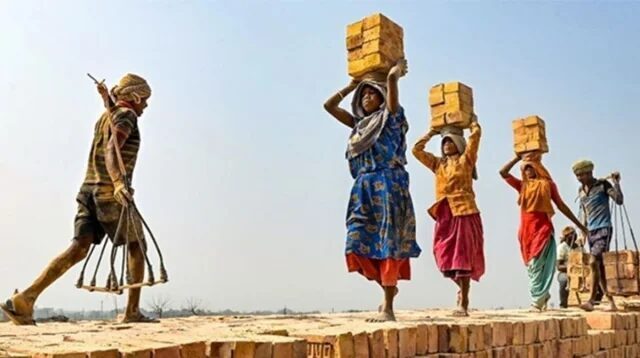
According to the international poverty line of $3 a day used by the World Bank, Bangladesh’s poverty rate increased by 1.1 percentage points to 10.1 per cent in FY2026. The institution says that more than one-third of the country’s population lives just above the poverty line. As a result, even a relatively small shock to income, food prices or employment could push many of these people back into poverty.
According to World Bank data, average inflation stood at 8.7 per cent in FY2026. Energy shortages have reduced operating hours at factories, disrupted production and led to layoffs at some businesses. Weak demand has also limited new recruitment.
This highlights a fundamental weakness in the development process: even when economic growth increases, the economy loses its ability to reduce poverty if that growth fails to generate enough decent jobs.
The Window to Capitalise on the Demographic Dividend Is Closing
Bangladesh faces another long-term risk: its inability to bring the productive potential of its young population into the economy.
The World Bank’s report, Demographic Change in South Asia: From Tailwinds to Headwinds for Development, published on November 3, says Bangladesh’s working-age population share is expected to peak around 2045. After that, the country’s demographic structure will gradually change.
This means Bangladesh has roughly two decades of critical opportunity to capitalise on its demographic dividend. To make the most of this window, the country must increase the availability of decent jobs, improve skills, expand women’s participation in the labour force and encourage productive private-sector investment.
According to the World Bank, approximately 58 million workers in Bangladesh are employed in the informal sector, accounting for around 84 per cent of the total workforce. Even 44 per cent of university graduates are engaged in informal employment. Formal-sector businesses are failing to generate sufficient jobs, while the average number of employees at smaller enterprises has also declined in recent years.
If this situation persists, the country’s young population could remain trapped in unemployment, insecure work and low productivity instead of becoming a productive economic force. Once the demographic dividend window closes, sustaining the same rate of economic growth will become even more difficult.
Weak Education Is Undermining the Capabilities of the Future Workforce
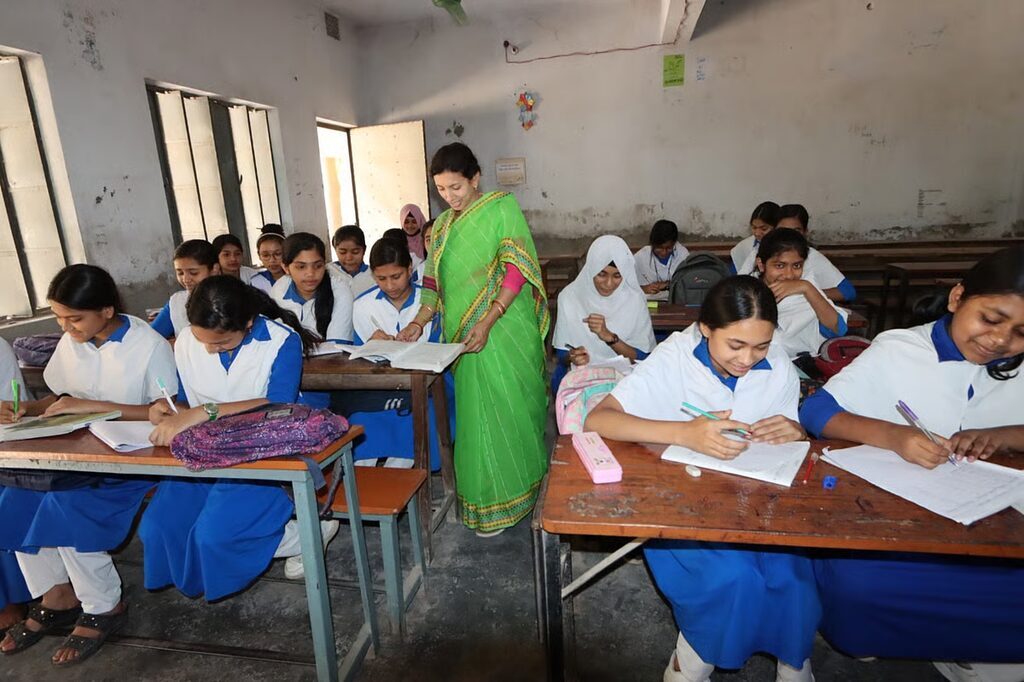
Another fundamental pillar of development is quality education. A World Bank report published on November 6 says that nearly 50 per cent of 10-year-old children in Bangladesh cannot read and understand a simple, age-appropriate text.
Although access to primary education has become nearly universal, major gaps remain in learning outcomes. This means that millions of children are attending school without acquiring the basic skills needed to compete in the future labour market.
The World Bank has approved $300 million in financing to improve learning outcomes for 26 million children. The initiative aims to strengthen children’s foundational skills in reading, writing and mathematics. However, project financing alone will not resolve the education crisis. Meaningful improvements are needed in classroom instruction, teacher training, school management and accountability.
These educational shortcomings could further deepen labour-market challenges. Without a skilled workforce, industrial productivity will not improve, technology adoption will remain slow, and Bangladesh will find it harder to move into sectors that generate higher value added.
Five Major Risks That Could Set Back Development
The long-term consequences of the current situation could be most pronounced in five areas.
First, shrinking fiscal resources for public investment will slow the expansion of infrastructure and public services. Second, weaknesses in the banking and energy sectors will constrain private investment and industrial production. Third, weak employment growth will make it harder to reduce poverty and income inequality. Fourth, deficiencies in education quality and workforce skills will undermine the productivity of future workers. Fifth, failure to capitalise on the demographic dividend will make it increasingly difficult to develop new drivers of economic growth in the future.
These challenges reinforce one another. Lower investment means fewer jobs; fewer jobs weaken consumption and demand; and weaker demand puts further pressure on business revenues and investment. In this way, the economy could become trapped in a prolonged cycle of low growth.
More by Sarakhon Report
 Bodies of Two Young Women Recovered in Habiganj
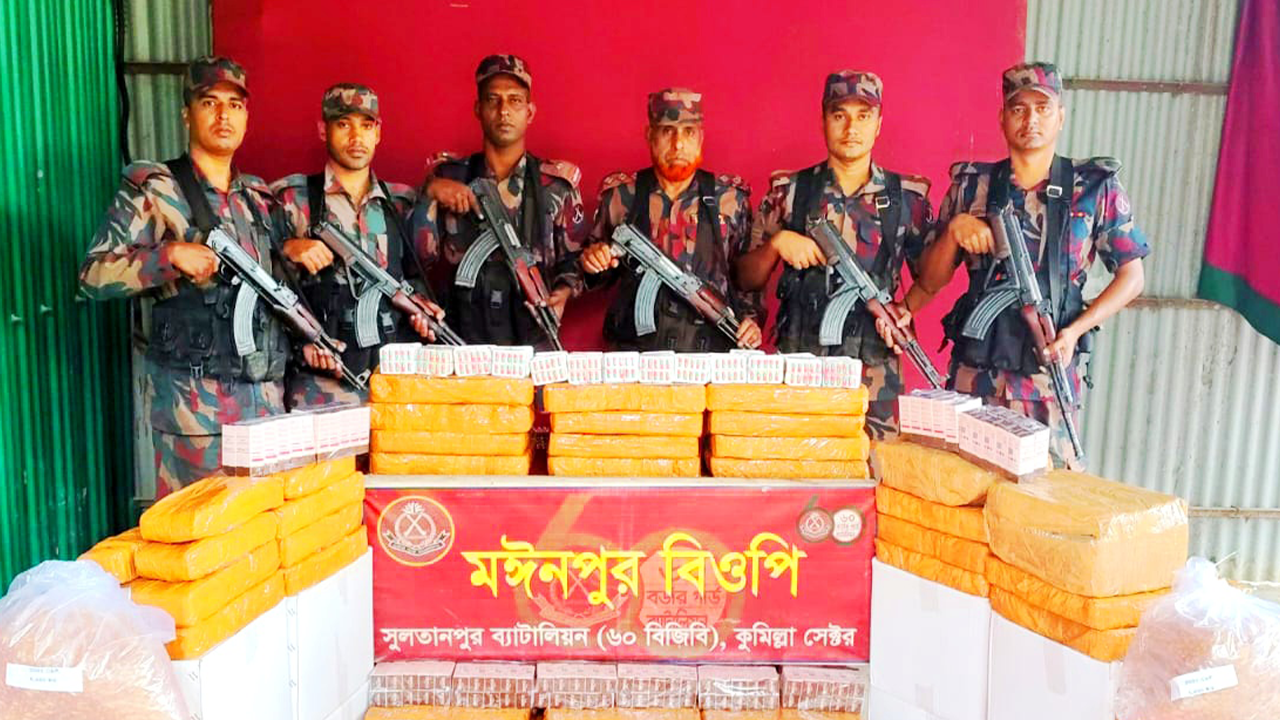 BGB Seizes Tk 64 Lakh Smuggled Goods Along Borders
 Pakistan Win Blind Cricket Asia Cup After Washout
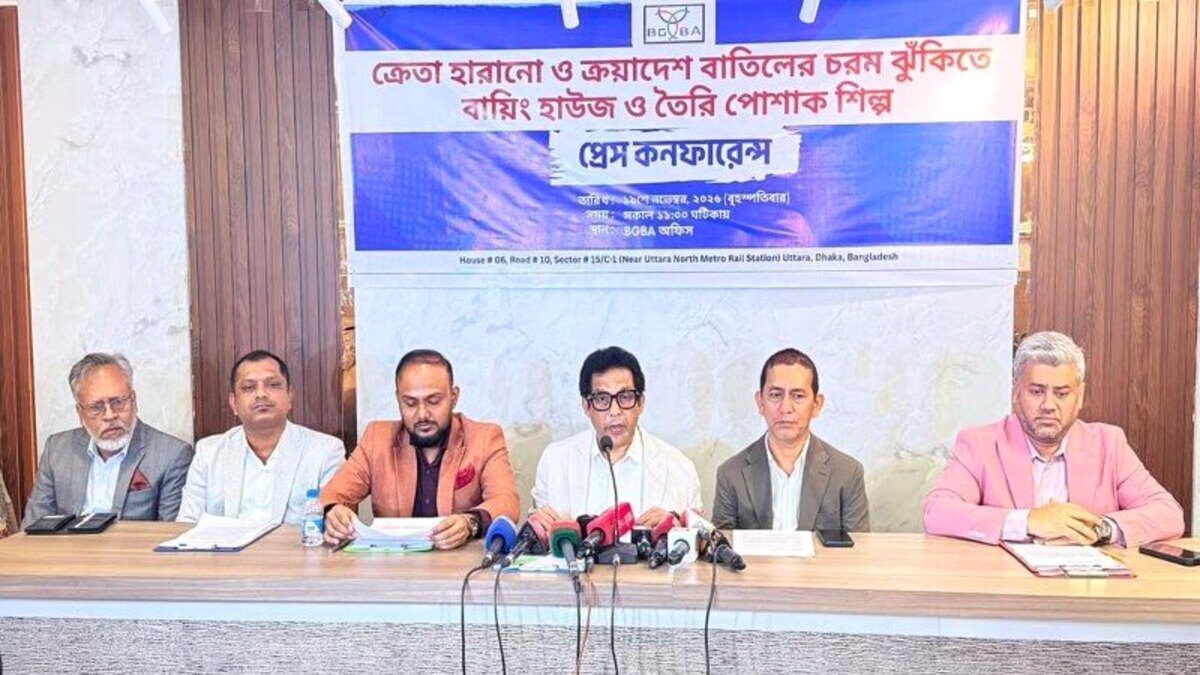 Garment Sector Fears Tk 4,000 Crore Loss as Orders Drop