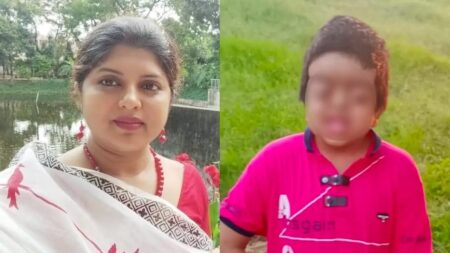

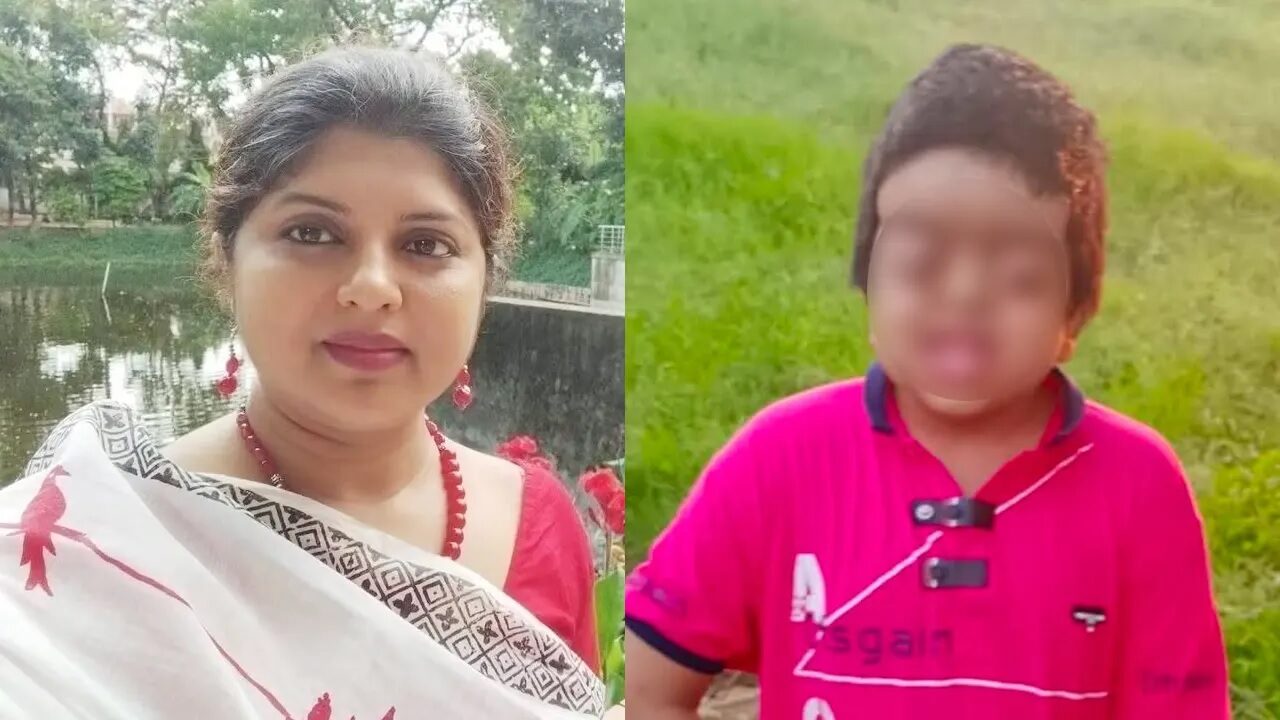
Fifteen-year-old Niswarg Hossain Tury had been waiting to see his mother one more time. But that reunion never came while he was alive. The teenager, who had a disability, died on the night of November 27 amid concerns over his illness, medical treatment and care. The following afternoon, his body was taken to the gates of Kashimpur Women’s Central Jail, where his imprisoned mother, Sharmin Sultana Shormi, was allowed to see him for the last time.
For the family, this is more than a personal tragedy. The incident has also raised important questions about prisoners’ humanitarian rights, the protection of children with disabilities, responsibility for their medical care and the effectiveness of the parole system in emergencies.
A Mother Who Wanted to Be by Her Sick Child’s Side
Sharmin Sultana Shormi is a central leader of the now-banned Jubo Mohila League. She was arrested on the night of October 3 in the Sheikh Shaheb Bazar area of Lalbagh in the capital in connection with a case filed under the Anti-Terrorism Act. She had remained in custody since then.
At the time of her arrest, Sharmin had spoken about her son’s health and care needs. In a video statement that later circulated on social media, she said that he needed regular medication and that no one was available to look after him in the absence of his parents.
The family’s concerns about Tury’s treatment and care had also been reported by the media. According to the family, they were worried about shortages of his essential medication and an unfinished surgery. Reports also said that, in his mother’s absence, his younger sister had taken on the responsibility of caring for her older brother.
However, detailed medical information about Tury’s specific condition, treatment or cause of death has not been made public.
Parole Application: Why Was Permission Not Granted?
Relatives and Sharmin’s lawyer said the family had applied for her release on parole following Tury’s death. The family claims that because the application was not approved, mother and son could not see each other for the last time while he was alive.
According to the prison authorities, Sharmin could not be taken outside the prison because of the country’s overall security situation. Later, with approval from the higher authorities and after security arrangements had been ensured, she was allowed to see her son’s body at the prison gate on humanitarian grounds.
The final meeting took place at around noon on November 28. Media reports described it as very brief.
An important administrative question also arises. New parole guidelines issued by the Ministry of Home Affairs in January 2026 allow temporary release when a prisoner’s close relative—including a child—dies. The guidelines provide for parole of up to 12 hours under police escort. However, the relevant district magistrate may make the decision after considering distance, travel arrangements and security risks.
It is therefore important to establish which authority received the family’s application, whether it reached the district administration and what decision was made after it was considered.
Were the Rights of a Child with a Disability Properly Considered?
Article 7 of the United Nations Convention on the Rights of Persons with Disabilities states that the best interests of children with disabilities must be given primary consideration. It also places responsibility on the state to take account of their rights, views and needs.
In Tury’s case, this principle raises several questions. How far were alternative arrangements for his medical treatment and care ensured after his mother’s arrest? Were the family’s concerns about his medical needs communicated to the relevant authorities? Was there an effective mechanism for promptly processing parole applications in urgent humanitarian circumstances?
Without answers to these questions, it would be inappropriate to reach a definitive conclusion that the incident constituted a human rights violation. However, an impartial examination is needed to determine whether Tury’s medical, care and family-support needs were properly taken into account.
Humanitarian Considerations Must Rise Above Political Identity
Sharmin’s political identity and the judicial proceedings against her are one matter. The medical care of her son, his daily needs and the opportunity to say goodbye are separate humanitarian concerns. A person’s status as an accused in a criminal case should not mean that their family’s urgent humanitarian needs are disregarded. At the same time, security considerations are also a responsibility of the state.
Tury’s death, therefore, is no longer only a family’s private tragedy. It has raised questions about how well the authorities maintain a balance between law enforcement, security considerations and humanitarian responsibilities.
A mother was able to see her son for the last time only at the prison gate—and only after his death. The incident is a reminder that judicial proceedings must continue and security rules must be observed, but the rights and needs of children with disabilities, along with the urgent humanitarian needs of their families, must not be overlooked.
More by Sarakhon Report
 Bollywood Action Film Pratap Hits UAE Theatres
 Bangladesh Hilsa Production Drops 12 Percent in Two Years
 Mohammedan and Abahani Suffer Defeats as Kings Win
 BFF Moves League Matches Out of Gopalganj Over Unrest