2:54 pm, Friday, 19 December 2025

UKRAINE WAR REPARATIONS COMMISSION SETS FRAMEWORK FOR COMPENSATION

Sarakhon Report

New body aims to address vast war damage

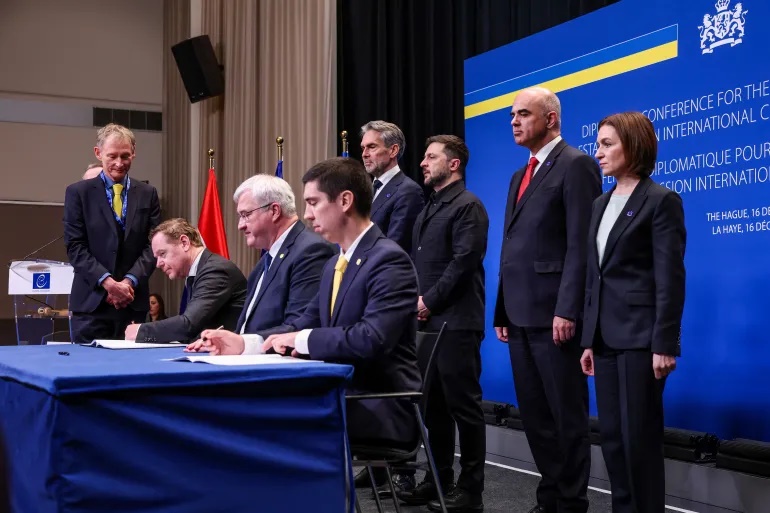
European and Ukrainian leaders have formally agreed to establish an International Claims Commission to assess and process compensation claims stemming from Russia’s invasion of Ukraine. The decision, finalized this week at a high-level meeting in The Hague, represents one of the most concrete steps yet toward post-war accountability. The commission is designed to handle claims related to destroyed homes, damaged infrastructure, civilian injuries, and economic losses caused since the full-scale invasion began in 2022. Ukrainian officials described the move as essential for justice, even as fighting continues on the ground.

Register of Damage for Ukraine to open for claims submission on 2 April 2024 - Register of Damage for Ukraine

The commission builds on an existing damage register that already contains tens of thousands of verified claims. These include detailed records of ruined residential buildings, schools, hospitals, power facilities, and private businesses. By creating a formal legal structure, participating countries aim to move from documentation toward actual compensation mechanisms. However, the treaty establishing the commission must still be ratified by national parliaments before it becomes fully operational, meaning payouts are unlikely in the near term.

Justice as part of peace

Supporters of the initiative argue that accountability cannot be separated from any lasting peace settlement. European officials stressed that rebuilding Ukraine without addressing responsibility for destruction would leave deep political and social wounds. They also said the commission sends a broader signal that large-scale military aggression carries long-term legal and financial consequences.

War Reparations for Ukraine: Key Issues

One of the most sensitive questions remains funding. Several governments have proposed using frozen Russian state assets to help finance compensation, but legal and political hurdles remain significant. Critics caution that without a clear enforcement mechanism, the commission risks becoming symbolic. Even so, diplomats involved in the process argue that establishing agreed procedures now is critical for future settlements, especially if a ceasefire or peace agreement is reached.

Parallel diplomatic efforts

The launch of the claims commission comes as diplomatic activity around ending the war has intensified. Talks among Ukraine, the United States, and European partners have focused on possible ceasefire frameworks, security guarantees, and post-war reconstruction planning. Ukrainian leaders continue to insist that any peace arrangement must respect the country’s territorial integrity and sovereignty, rejecting proposals that would formalize territorial losses.
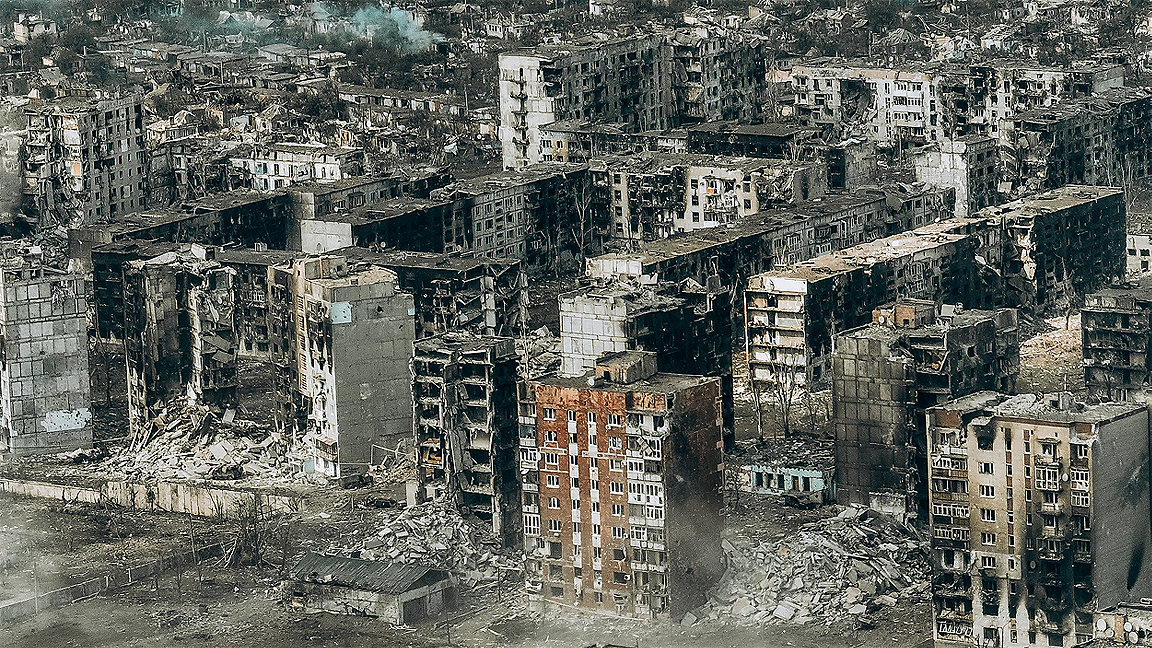
Opinion: How to enable Ukraine's reconstruction | Journals | RICS

Western governments have discussed security guarantees modeled on collective defense arrangements, though without offering immediate membership in military alliances. These guarantees are intended to deter renewed aggression while stopping short of steps that could escalate tensions further. Despite these discussions, Russia has not signaled willingness to compromise on its core demands, keeping prospects for a comprehensive agreement uncertain.

Human cost and reconstruction challenge

Beyond legal and diplomatic questions, the scale of destruction in Ukraine remains staggering. Millions of people have been displaced, entire neighborhoods lie in ruins, and critical infrastructure continues to face strain. Energy systems, transportation networks, and public services require massive investment to return to basic functionality. International estimates place reconstruction costs in the hundreds of billions of dollars, far exceeding current pledges.
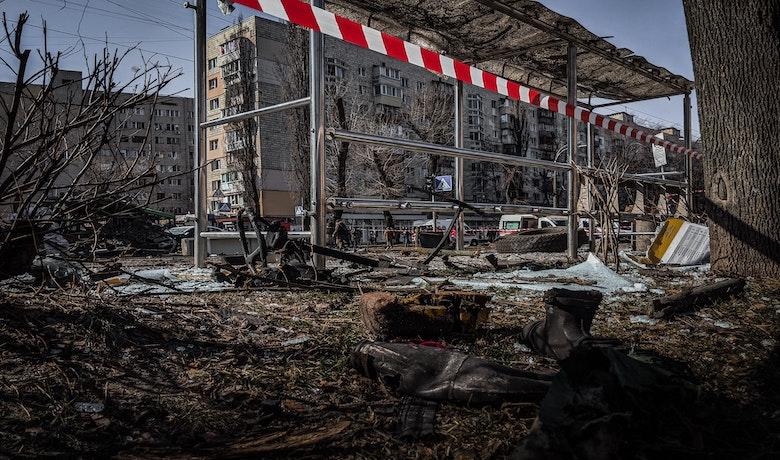
Ukraine Symposium – Reparations for War: What Options for Ukraine? - Lieber Institute West Point

For civilians, the creation of the commission offers a measure of recognition for losses endured over nearly four years of war. While compensation may take years to materialize, the formal acknowledgment of harm is seen as an important step toward healing and rebuilding trust. Whether the commission ultimately delivers financial justice will depend on political resolve, legal innovation, and sustained international cooperation. For now, it stands as a reminder that the consequences of war do not end when the fighting stops.


 

01:58:24 pm, Wednesday, 17 December 2025

UKRAINE WAR REPARATIONS COMMISSION SETS FRAMEWORK FOR COMPENSATION

01:58:24 pm, Wednesday, 17 December 2025

New body aims to address vast war damage

European and Ukrainian leaders have formally agreed to establish an International Claims Commission to assess and process compensation claims stemming from Russia’s invasion of Ukraine. The decision, finalized this week at a high-level meeting in The Hague, represents one of the most concrete steps yet toward post-war accountability. The commission is designed to handle claims related to destroyed homes, damaged infrastructure, civilian injuries, and economic losses caused since the full-scale invasion began in 2022. Ukrainian officials described the move as essential for justice, even as fighting continues on the ground.

Register of Damage for Ukraine to open for claims submission on 2 April 2024 - Register of Damage for Ukraine

The commission builds on an existing damage register that already contains tens of thousands of verified claims. These include detailed records of ruined residential buildings, schools, hospitals, power facilities, and private businesses. By creating a formal legal structure, participating countries aim to move from documentation toward actual compensation mechanisms. However, the treaty establishing the commission must still be ratified by national parliaments before it becomes fully operational, meaning payouts are unlikely in the near term.

Justice as part of peace

Supporters of the initiative argue that accountability cannot be separated from any lasting peace settlement. European officials stressed that rebuilding Ukraine without addressing responsibility for destruction would leave deep political and social wounds. They also said the commission sends a broader signal that large-scale military aggression carries long-term legal and financial consequences.

War Reparations for Ukraine: Key Issues

One of the most sensitive questions remains funding. Several governments have proposed using frozen Russian state assets to help finance compensation, but legal and political hurdles remain significant. Critics caution that without a clear enforcement mechanism, the commission risks becoming symbolic. Even so, diplomats involved in the process argue that establishing agreed procedures now is critical for future settlements, especially if a ceasefire or peace agreement is reached.

Parallel diplomatic efforts

The launch of the claims commission comes as diplomatic activity around ending the war has intensified. Talks among Ukraine, the United States, and European partners have focused on possible ceasefire frameworks, security guarantees, and post-war reconstruction planning. Ukrainian leaders continue to insist that any peace arrangement must respect the country’s territorial integrity and sovereignty, rejecting proposals that would formalize territorial losses.

Opinion: How to enable Ukraine's reconstruction | Journals | RICS

Western governments have discussed security guarantees modeled on collective defense arrangements, though without offering immediate membership in military alliances. These guarantees are intended to deter renewed aggression while stopping short of steps that could escalate tensions further. Despite these discussions, Russia has not signaled willingness to compromise on its core demands, keeping prospects for a comprehensive agreement uncertain.

Human cost and reconstruction challenge

Beyond legal and diplomatic questions, the scale of destruction in Ukraine remains staggering. Millions of people have been displaced, entire neighborhoods lie in ruins, and critical infrastructure continues to face strain. Energy systems, transportation networks, and public services require massive investment to return to basic functionality. International estimates place reconstruction costs in the hundreds of billions of dollars, far exceeding current pledges.

Ukraine Symposium – Reparations for War: What Options for Ukraine? - Lieber Institute West Point

For civilians, the creation of the commission offers a measure of recognition for losses endured over nearly four years of war. While compensation may take years to materialize, the formal acknowledgment of harm is seen as an important step toward healing and rebuilding trust. Whether the commission ultimately delivers financial justice will depend on political resolve, legal innovation, and sustained international cooperation. For now, it stands as a reminder that the consequences of war do not end when the fighting stops.