7:32 pm, Monday, 22 December 2025

Wildlife Disease Surveillance Expands as Scientists Warn of Spillover Risks

Sarakhon Report

Global health and conservation agencies are expanding wildlife disease surveillance as scientists warn that environmental disruption is increasing the risk of pathogens spilling over from animals to humans. Researchers say habitat loss, climate stress, and closer contact between wildlife and people are creating conditions where new diseases can emerge and spread rapidly.

Monitoring programs are being scaled up across regions with high biodiversity and rapid land-use change. These initiatives involve testing wild animals for viruses and bacteria before outbreaks occur, allowing authorities to identify potential threats early. Experts argue that prevention at the wildlife level is far cheaper and more effective than responding to human epidemics after transmission has already begun.
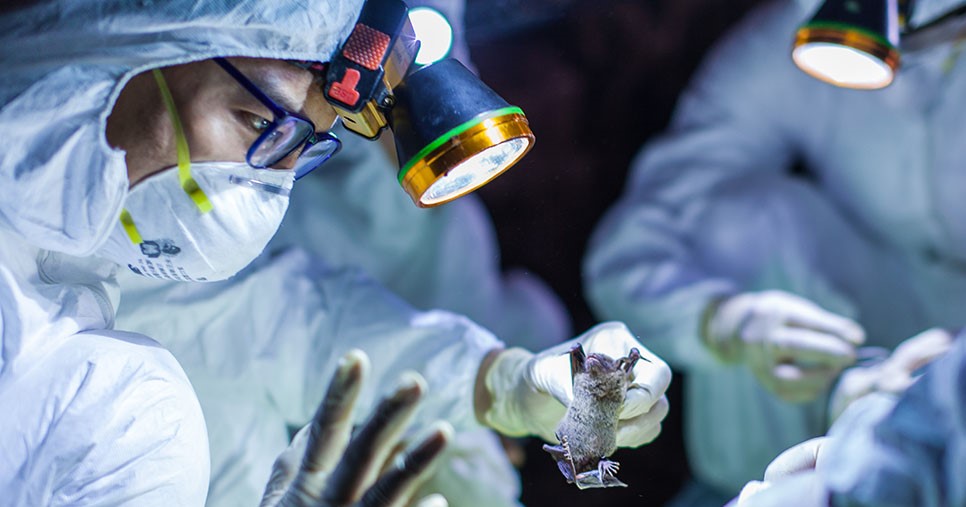
Into the wild: Scientists strive to stop animal diseases from igniting the  next pandemic | AAMC

Recent studies have highlighted how deforestation and urban expansion push animals into closer proximity with farms and settlements. This increases opportunities for viruses to jump species barriers. Scientists point out that many past outbreaks originated from such interfaces, underscoring the importance of early detection.

Climate change is adding another layer of complexity. Rising temperatures and shifting rainfall patterns are altering animal migration and breeding cycles, which can change how diseases circulate in nature. Some pathogens are now appearing in regions where they were previously unknown, complicating surveillance efforts.

Funding remains a major obstacle. While international donors support pilot programs, long-term monitoring requires sustained investment, trained personnel, and coordination between health, agriculture, and environmental agencies. In many countries, fragmented data systems make it difficult to share information quickly across sectors.
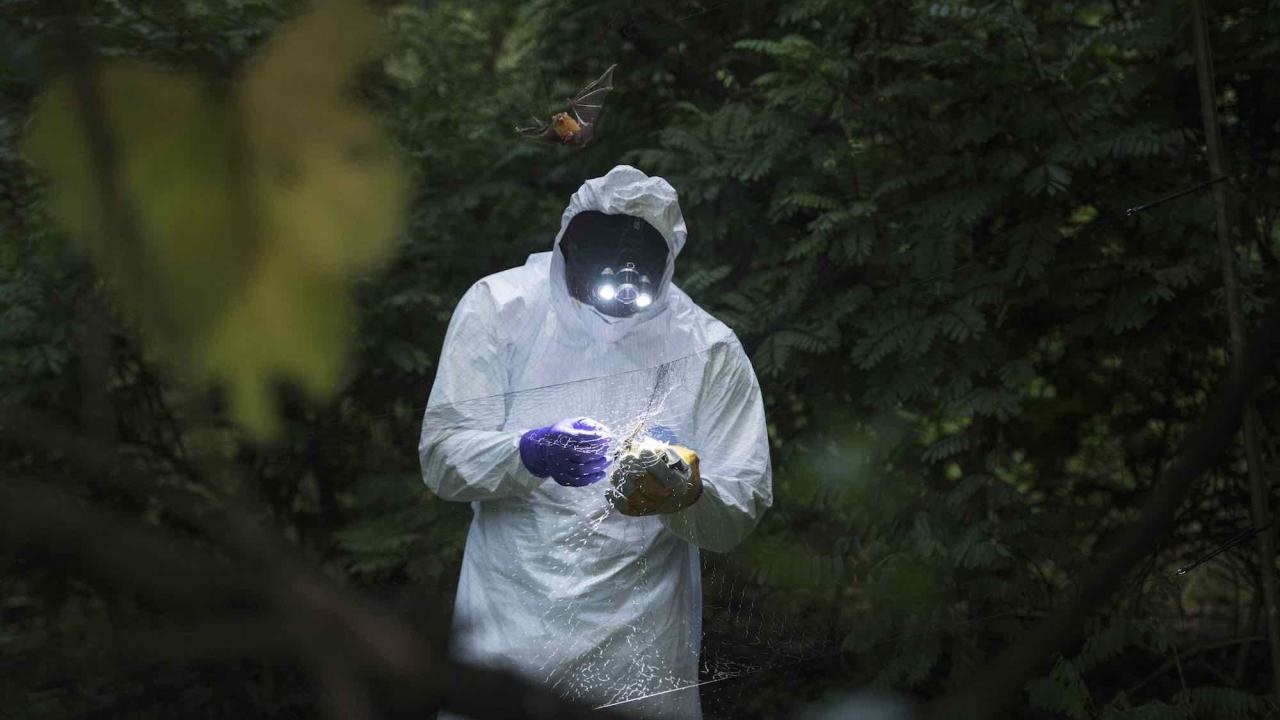
Communities living near wildlife habitats are also being engaged in surveillance efforts. Local reporting of unusual animal deaths or behavior can provide early warning signs, especially in remote areas. Public education campaigns emphasize that conservation and human health are closely linked, not competing priorities.

Scientists stress that wildlife surveillance is not about targeting animals as threats but about understanding shared ecosystems. By identifying risks earlier, authorities can design targeted interventions, protect biodiversity, and reduce the likelihood of future pandemics. As global attention shifts toward prevention, wildlife health is increasingly seen as a frontline defense for human well-being.

 

03:39:18 pm, Monday, 22 December 2025

Wildlife Disease Surveillance Expands as Scientists Warn of Spillover Risks

03:39:18 pm, Monday, 22 December 2025

Global health and conservation agencies are expanding wildlife disease surveillance as scientists warn that environmental disruption is increasing the risk of pathogens spilling over from animals to humans. Researchers say habitat loss, climate stress, and closer contact between wildlife and people are creating conditions where new diseases can emerge and spread rapidly.

Monitoring programs are being scaled up across regions with high biodiversity and rapid land-use change. These initiatives involve testing wild animals for viruses and bacteria before outbreaks occur, allowing authorities to identify potential threats early. Experts argue that prevention at the wildlife level is far cheaper and more effective than responding to human epidemics after transmission has already begun.

Into the wild: Scientists strive to stop animal diseases from igniting the  next pandemic | AAMC

Recent studies have highlighted how deforestation and urban expansion push animals into closer proximity with farms and settlements. This increases opportunities for viruses to jump species barriers. Scientists point out that many past outbreaks originated from such interfaces, underscoring the importance of early detection.

Climate change is adding another layer of complexity. Rising temperatures and shifting rainfall patterns are altering animal migration and breeding cycles, which can change how diseases circulate in nature. Some pathogens are now appearing in regions where they were previously unknown, complicating surveillance efforts.

Funding remains a major obstacle. While international donors support pilot programs, long-term monitoring requires sustained investment, trained personnel, and coordination between health, agriculture, and environmental agencies. In many countries, fragmented data systems make it difficult to share information quickly across sectors.

Communities living near wildlife habitats are also being engaged in surveillance efforts. Local reporting of unusual animal deaths or behavior can provide early warning signs, especially in remote areas. Public education campaigns emphasize that conservation and human health are closely linked, not competing priorities.

Scientists stress that wildlife surveillance is not about targeting animals as threats but about understanding shared ecosystems. By identifying risks earlier, authorities can design targeted interventions, protect biodiversity, and reduce the likelihood of future pandemics. As global attention shifts toward prevention, wildlife health is increasingly seen as a frontline defense for human well-being.