10:39 pm, Friday, 26 December 2025

Japan’s Snow Monkeys Face Habitat Stress as Warmer Winters Alter Behavior

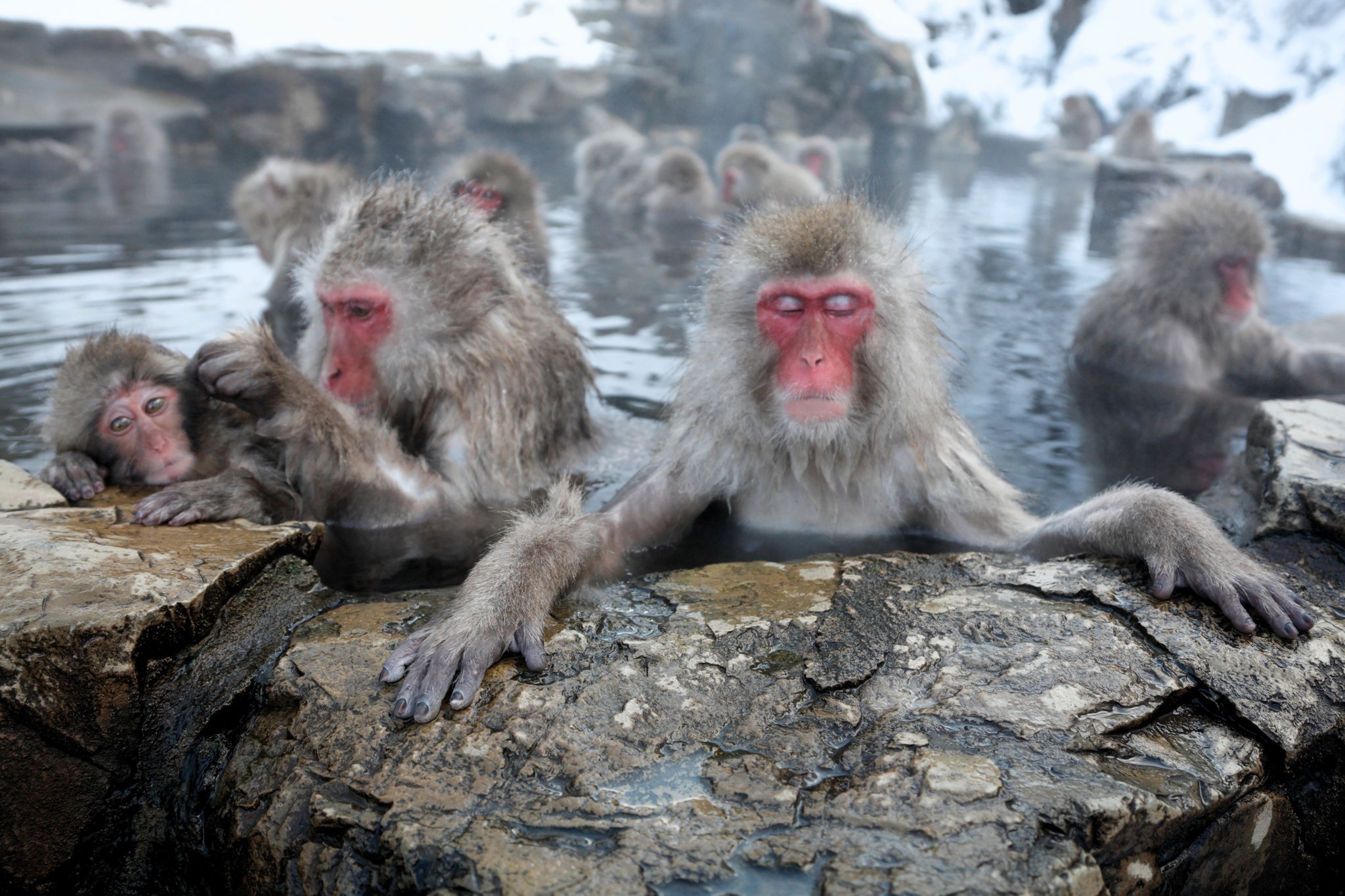
Sarakhon Report

Climate pressure on a famous species

Japan’s iconic snow monkeys are showing signs of habitat stress as warmer winters reduce snowfall and alter seasonal patterns, researchers say. The animals, famous for bathing in hot springs, rely on cold conditions that shape their feeding and social behavior. Changing weather is forcing adjustments that could affect long-term survival.
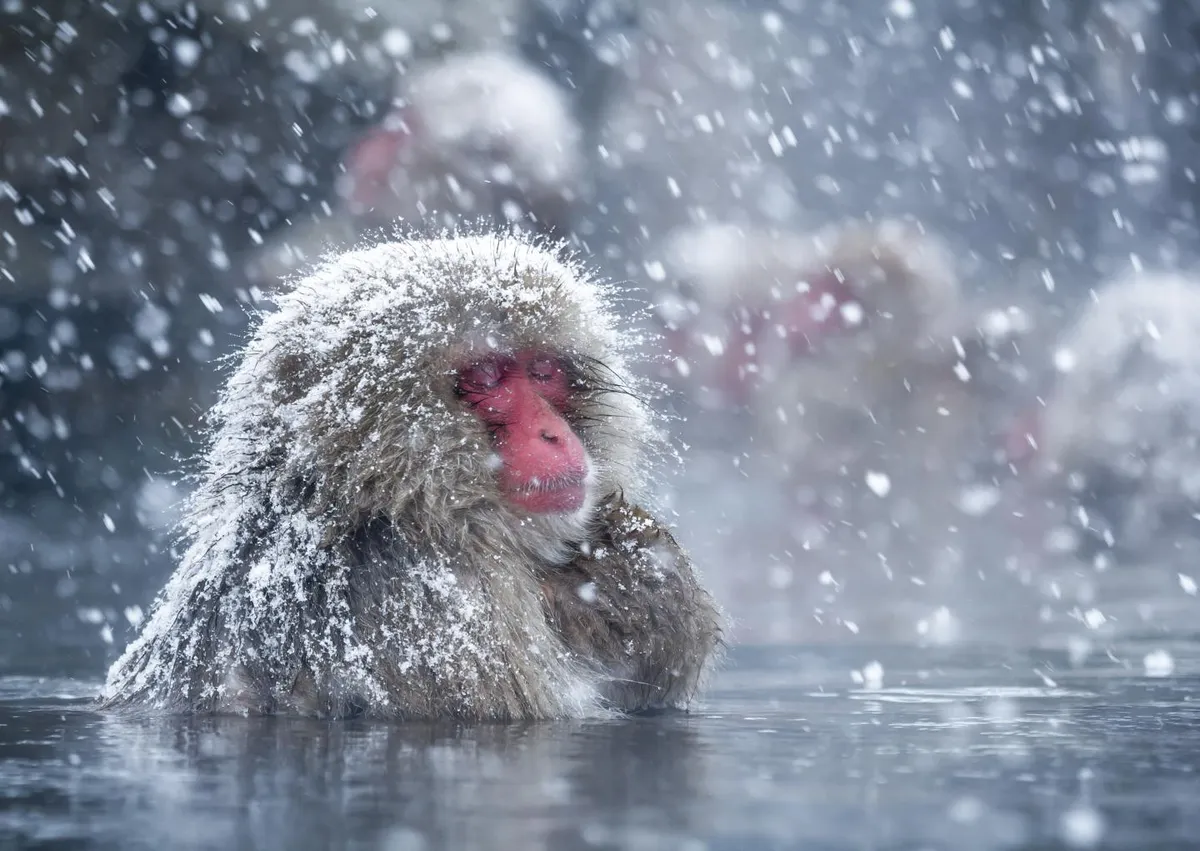
Chilling Out in Hot Springs May Help Japan's Snow Monkeys Reduce Stress

Scientists observing troops in central Japan report shifts in foraging times and group dynamics. With less snow cover, food sources appear earlier but are less predictable, increasing competition within groups. These subtle changes can compound over time.

Broader ecological signals

The monkeys’ behavior is seen as a broader signal of climate pressure on mountain ecosystems. Species adapted to cold climates may struggle as warming accelerates. Conservationists argue that monitoring such flagship species helps identify risks before population declines become visible.
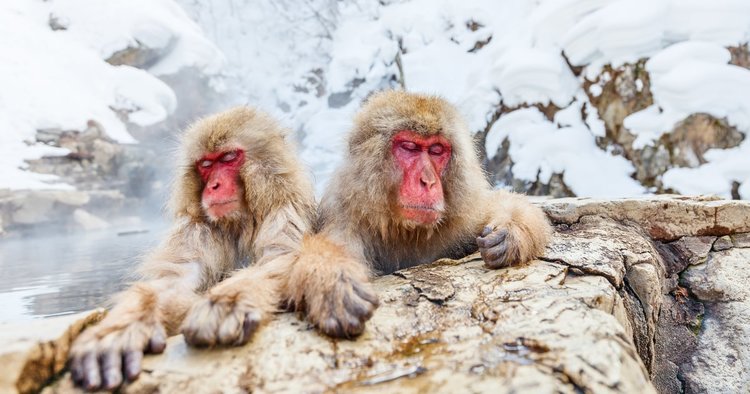
Where To See Snow Monkeys In Japan - Jigokudani Monkey Park - Klook Travel  Blog

Looking ahead

Researchers stress the need for long-term observation and habitat protection. While the monkeys are not immediately endangered, continued warming could push them beyond their adaptive limits. The case underscores how climate change is reshaping even well-known wildlife stories.
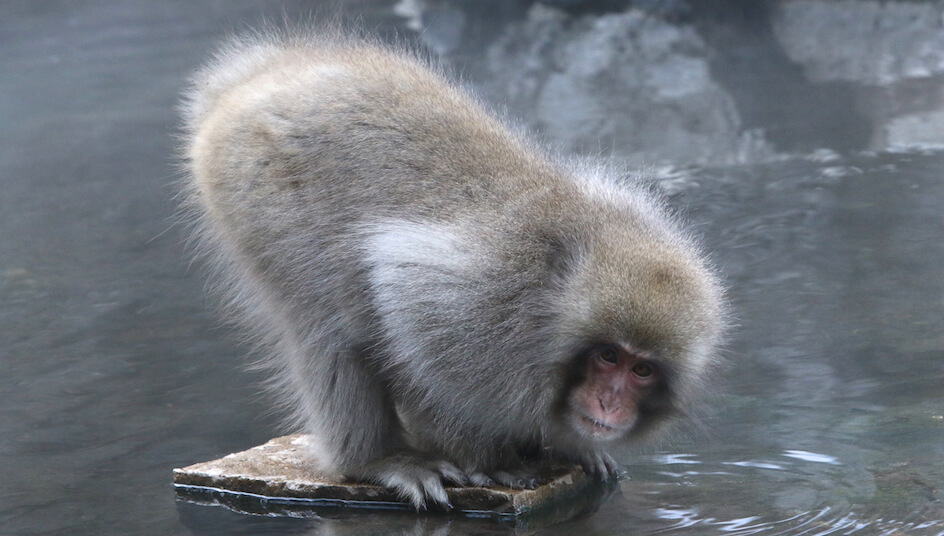

Japan's Snow Monkeys | CEPF

06:34:41 pm, Friday, 26 December 2025

Japan’s Snow Monkeys Face Habitat Stress as Warmer Winters Alter Behavior

06:34:41 pm, Friday, 26 December 2025

Climate pressure on a famous species

Japan’s iconic snow monkeys are showing signs of habitat stress as warmer winters reduce snowfall and alter seasonal patterns, researchers say. The animals, famous for bathing in hot springs, rely on cold conditions that shape their feeding and social behavior. Changing weather is forcing adjustments that could affect long-term survival.

Chilling Out in Hot Springs May Help Japan's Snow Monkeys Reduce Stress

Scientists observing troops in central Japan report shifts in foraging times and group dynamics. With less snow cover, food sources appear earlier but are less predictable, increasing competition within groups. These subtle changes can compound over time.

Broader ecological signals

The monkeys’ behavior is seen as a broader signal of climate pressure on mountain ecosystems. Species adapted to cold climates may struggle as warming accelerates. Conservationists argue that monitoring such flagship species helps identify risks before population declines become visible.

Where To See Snow Monkeys In Japan - Jigokudani Monkey Park - Klook Travel  Blog

Looking ahead

Researchers stress the need for long-term observation and habitat protection. While the monkeys are not immediately endangered, continued warming could push them beyond their adaptive limits. The case underscores how climate change is reshaping even well-known wildlife stories.

Japan's Snow Monkeys | CEPF