11:27 pm, Monday, 19 January 2026

Japan and U.S. narrow $550 billion investment plan as landmark trade deal nears

Sarakhon Report

Strategic cooperation and supply‑chain security
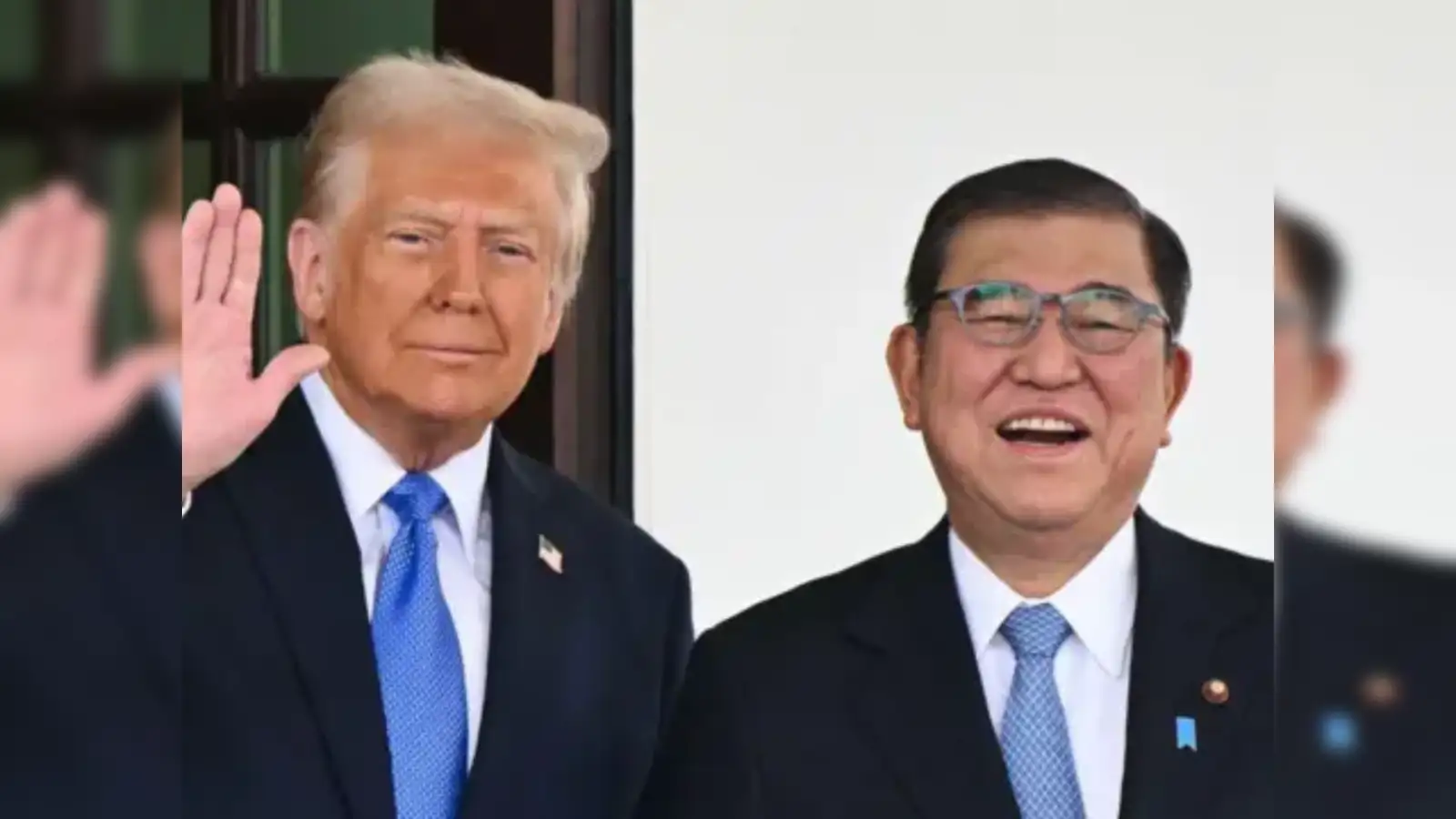
Japan and the United States are nearing agreement on a sweeping investment plan that could reshape trans-Pacific trade relations and shield both economies from growing protectionism. According to officials involved in the talks, negotiators have narrowed a long list of candidate ventures to a handful of high‑priority projects including a SoftBank-backed data centre in America’s Midwest. The proposed framework, valued at roughly $550 billion, would see the Japan Bank for International Cooperation and state insurer Nippon Export and Investment Insurance provide equity stakes, loans and guarantees while private companies build new factories and logistics hubs. In return, Washington would reduce tariffs on Japanese cars, machinery and electronics, offering relief to exporters who have weathered years of trade tensions. The first tranche of projects, which reportedly includes semiconductor plants, battery factories and green hydrogen facilities, could be signed before Prime Minister Sanae Takaichi visits the White House later this year. Analysts say the initiative reflects a mutual desire to diversify supply chains away from China and secure access to critical technologies ranging from cloud computing and artificial intelligence to electric vehicles and renewable energy.

Negotiators are also acutely aware of domestic political pressures. In Tokyo, opposition lawmakers and labour unions worry that investments abroad could hollow out Japanese industries or squander public funds on risky ventures. In Washington, some lawmakers see the initiative as a back‑door tariff reduction that might harm domestic producers. Both sides must agree on strict environmental standards, worker protections and monitoring mechanisms to avoid accusations of secrecy or favouritism. Trade lawyers note that the U.S. Supreme Court is set to rule on former president Donald Trump’s sweeping tariff authority, which could alter the legal landscape for any deal. Despite the uncertainties, supporters argue that tying tariff relief to Japanese investment aligns incentives and fosters long‑term cooperation rather than zero‑sum competition. By embedding capital and technology flows within a formal trade framework, the programme could offer a template for other allies seeking to balance economic security with free‑market principles. Success will depend on transparent governance and clear communication, but the potential rewards are significant: thousands of new jobs, more resilient supply chains and a demonstration that democratic partners can craft creative responses to global economic challenges.

Tariffs, politics and potential challenges
Even as momentum builds, negotiators face a series of headwinds. Environmental groups want assurances that new industrial hubs will not worsen carbon emissions, particularly if they involve energy‑intensive chipmaking or data centres. Japanese officials must also negotiate with provincial governments and local communities, some of which fear losing young workers to overseas projects. U.S. regulators, for their part, are wary of relying too heavily on foreign investment in strategic sectors. The possibility of a change in administrations after the 2026 midterms adds a political wildcard: a new Congress could seek to rewrite or block the agreement. Meanwhile, trade unions in both countries demand guarantees that workers will receive fair wages and that training programmes will accompany any job creation. These concerns highlight how a landmark investment pact could quickly become a political lightning rod if not handled carefully.

Despite the risks, proponents see the deal as a pragmatic answer to a shifting global order. The COVID‑19 pandemic exposed vulnerabilities in supply chains for everything from cars to medical equipment, while ongoing chip shortages have underscored the perils of concentrated production. By partnering on factories and research centres on U.S. soil, Japanese firms could hedge against geopolitical shocks and ensure access to the world’s largest consumer market. Washington, meanwhile, would secure investment in regions hit hard by industrial decline, fulfilling a political promise to revitalise manufacturing. The two governments hope to present the agreement as a win‑win: reduced tariffs, new jobs, stronger alliances and a model of international cooperation that doesn’t rely on China’s vast market. Final decisions on project lists are expected in the coming weeks, with a ceremonial signing likely to coincide with Takaichi’s visit—if negotiations stay on track.


06:46:50 pm, Monday, 19 January 2026

Japan and U.S. narrow $550 billion investment plan as landmark trade deal nears

06:46:50 pm, Monday, 19 January 2026

Strategic cooperation and supply‑chain security
Japan and the United States are nearing agreement on a sweeping investment plan that could reshape trans-Pacific trade relations and shield both economies from growing protectionism. According to officials involved in the talks, negotiators have narrowed a long list of candidate ventures to a handful of high‑priority projects including a SoftBank-backed data centre in America’s Midwest. The proposed framework, valued at roughly $550 billion, would see the Japan Bank for International Cooperation and state insurer Nippon Export and Investment Insurance provide equity stakes, loans and guarantees while private companies build new factories and logistics hubs. In return, Washington would reduce tariffs on Japanese cars, machinery and electronics, offering relief to exporters who have weathered years of trade tensions. The first tranche of projects, which reportedly includes semiconductor plants, battery factories and green hydrogen facilities, could be signed before Prime Minister Sanae Takaichi visits the White House later this year. Analysts say the initiative reflects a mutual desire to diversify supply chains away from China and secure access to critical technologies ranging from cloud computing and artificial intelligence to electric vehicles and renewable energy.

Negotiators are also acutely aware of domestic political pressures. In Tokyo, opposition lawmakers and labour unions worry that investments abroad could hollow out Japanese industries or squander public funds on risky ventures. In Washington, some lawmakers see the initiative as a back‑door tariff reduction that might harm domestic producers. Both sides must agree on strict environmental standards, worker protections and monitoring mechanisms to avoid accusations of secrecy or favouritism. Trade lawyers note that the U.S. Supreme Court is set to rule on former president Donald Trump’s sweeping tariff authority, which could alter the legal landscape for any deal. Despite the uncertainties, supporters argue that tying tariff relief to Japanese investment aligns incentives and fosters long‑term cooperation rather than zero‑sum competition. By embedding capital and technology flows within a formal trade framework, the programme could offer a template for other allies seeking to balance economic security with free‑market principles. Success will depend on transparent governance and clear communication, but the potential rewards are significant: thousands of new jobs, more resilient supply chains and a demonstration that democratic partners can craft creative responses to global economic challenges.

Tariffs, politics and potential challenges
Even as momentum builds, negotiators face a series of headwinds. Environmental groups want assurances that new industrial hubs will not worsen carbon emissions, particularly if they involve energy‑intensive chipmaking or data centres. Japanese officials must also negotiate with provincial governments and local communities, some of which fear losing young workers to overseas projects. U.S. regulators, for their part, are wary of relying too heavily on foreign investment in strategic sectors. The possibility of a change in administrations after the 2026 midterms adds a political wildcard: a new Congress could seek to rewrite or block the agreement. Meanwhile, trade unions in both countries demand guarantees that workers will receive fair wages and that training programmes will accompany any job creation. These concerns highlight how a landmark investment pact could quickly become a political lightning rod if not handled carefully.

Despite the risks, proponents see the deal as a pragmatic answer to a shifting global order. The COVID‑19 pandemic exposed vulnerabilities in supply chains for everything from cars to medical equipment, while ongoing chip shortages have underscored the perils of concentrated production. By partnering on factories and research centres on U.S. soil, Japanese firms could hedge against geopolitical shocks and ensure access to the world’s largest consumer market. Washington, meanwhile, would secure investment in regions hit hard by industrial decline, fulfilling a political promise to revitalise manufacturing. The two governments hope to present the agreement as a win‑win: reduced tariffs, new jobs, stronger alliances and a model of international cooperation that doesn’t rely on China’s vast market. Final decisions on project lists are expected in the coming weeks, with a ceremonial signing likely to coincide with Takaichi’s visit—if negotiations stay on track.