11:42 pm, Tuesday, 20 January 2026

Rise of China’s Soft Power: Cultural Exports Reshape Global Perceptions

Sarakhon Report

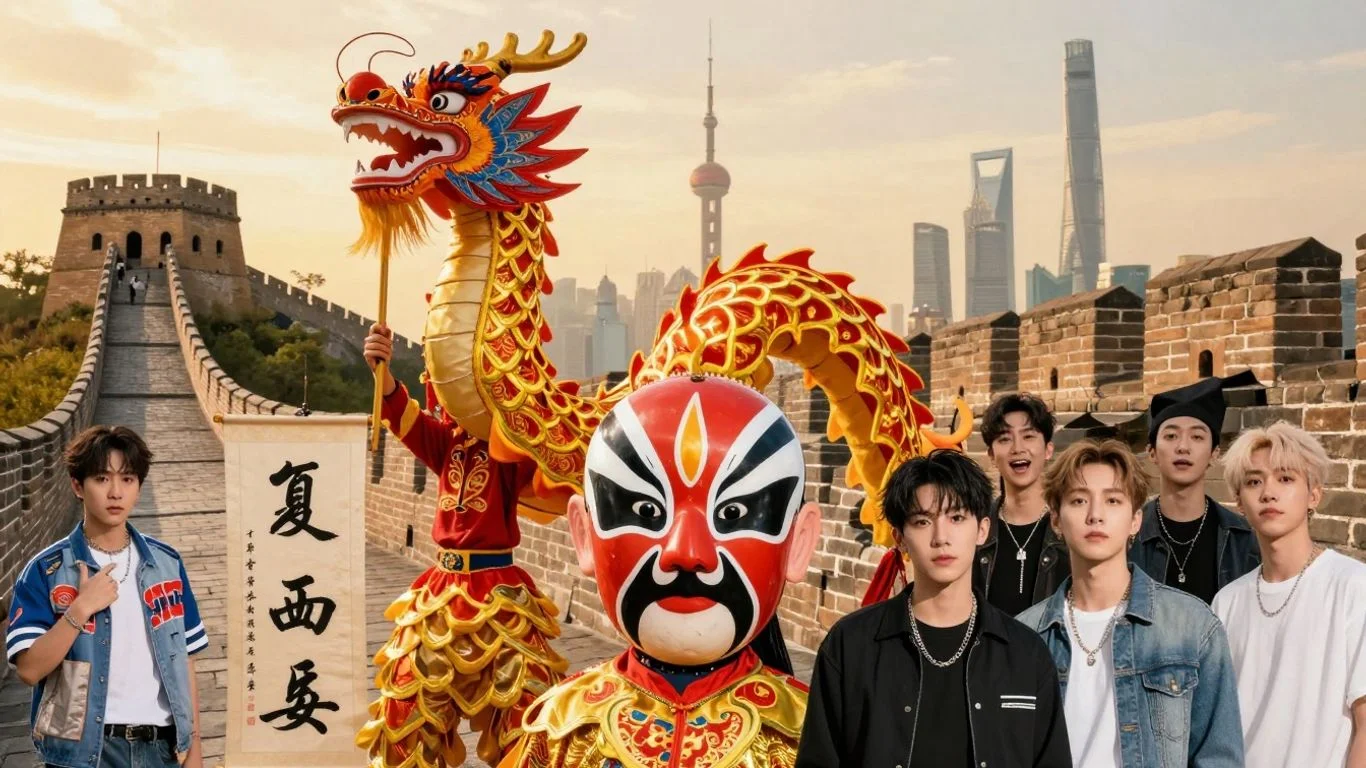
China’s surge of soft power has been propelled by pop culture, toys and games that have captivated audiences from Seoul to San Francisco. Last year the country’s influence on global culture reached new heights as quirky Labubu toys became must‑have collectibles and the animated film Ne Zha 2 turned into a blockbuster. At the same time, the long‑awaited video game Black Myth: Wukong drew millions of pre‑orders worldwide. These hits showcase a creative industry no longer content to mimic Hollywood but willing to craft its own stories and characters. Younger generations both inside China and abroad are embracing homegrown art and music, giving Beijing a valuable source of soft power that complements its economic clout. Rising consumer enthusiasm demonstrates that cultural exports can shift perceptions more effectively than diplomacy, even when geopolitical tensions remain high.

China’s cultural surge comes despite trade wars and political friction. U.S. tariffs on Chinese goods and strained relations with Europe over issues like Greenland have not dampened global appetite for Chinese pop culture. Analysts say the government is keenly aware of the soft power benefits: by promoting films, toys and games, officials can cultivate an appealing national image to offset criticism over censorship or human‑rights abuses. Yet success has also sparked debate. Some creators worry that increasing state involvement could curb artistic freedom. Others argue that global recognition of Chinese culture can encourage greater openness at home, as audiences demand stories reflecting diverse experiences. Internationally, the boom is forcing Hollywood and the toy industry to recalibrate. American studios are paying more attention to Chinese audiences, while toy companies scramble to license characters that appeal to a rising global middle class. This cultural rebalancing suggests that a multipolar entertainment landscape is emerging, with China as a central player.

07:50:25 pm, Tuesday, 20 January 2026

Rise of China’s Soft Power: Cultural Exports Reshape Global Perceptions

07:50:25 pm, Tuesday, 20 January 2026

China’s surge of soft power has been propelled by pop culture, toys and games that have captivated audiences from Seoul to San Francisco. Last year the country’s influence on global culture reached new heights as quirky Labubu toys became must‑have collectibles and the animated film Ne Zha 2 turned into a blockbuster. At the same time, the long‑awaited video game Black Myth: Wukong drew millions of pre‑orders worldwide. These hits showcase a creative industry no longer content to mimic Hollywood but willing to craft its own stories and characters. Younger generations both inside China and abroad are embracing homegrown art and music, giving Beijing a valuable source of soft power that complements its economic clout. Rising consumer enthusiasm demonstrates that cultural exports can shift perceptions more effectively than diplomacy, even when geopolitical tensions remain high.

China’s cultural surge comes despite trade wars and political friction. U.S. tariffs on Chinese goods and strained relations with Europe over issues like Greenland have not dampened global appetite for Chinese pop culture. Analysts say the government is keenly aware of the soft power benefits: by promoting films, toys and games, officials can cultivate an appealing national image to offset criticism over censorship or human‑rights abuses. Yet success has also sparked debate. Some creators worry that increasing state involvement could curb artistic freedom. Others argue that global recognition of Chinese culture can encourage greater openness at home, as audiences demand stories reflecting diverse experiences. Internationally, the boom is forcing Hollywood and the toy industry to recalibrate. American studios are paying more attention to Chinese audiences, while toy companies scramble to license characters that appeal to a rising global middle class. This cultural rebalancing suggests that a multipolar entertainment landscape is emerging, with China as a central player.