11:20 pm, Monday, 26 January 2026

Have India’s Tribal Communities Received a Fair Share of the Republic?

Sarakhon Report

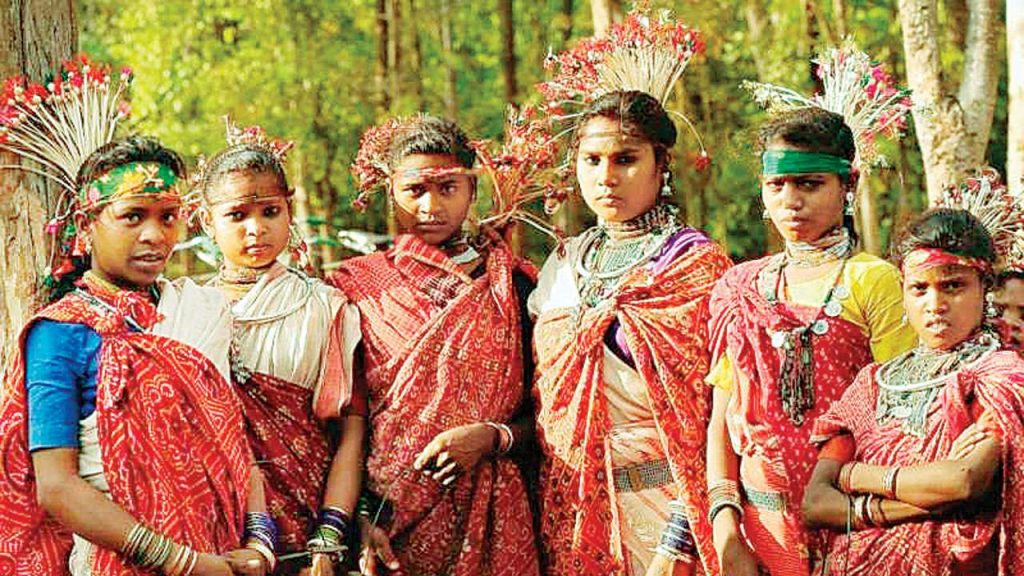
As India marks another Republic Day, it is worth asking whether the country’s tribal communities have truly shared in the promises of independence. Admiring Adivasi folk dances during national celebrations, as Jaipal Singh Munda once argued, is easy. Ensuring dignity, opportunity, and cultural respect is far harder.

Adivasis, among India’s oldest inhabitants, were deeply affected by the arrival of independence and democracy. Yet democracy itself was not new to them. Their social institutions and ways of life had long been grounded in collective decision-making and simplicity. Ironically, the sudden extension of modern governance disrupted these traditions more harshly than colonial neglect ever did.

Colonial Administration and Post-Independence Neglect

Under British rule, administration followed utilitarian needs tied to defence and commerce. Regions that did not serve colonial priorities were left largely untouched. Many Adivasi-majority areas remained outside the mainstream administrative system, with limited political representation.

This exclusion carried into the freedom movement. With little franchise and minimal political interest from parties, Adivasis remained largely outside the national struggle, even as they resisted exploitation by both colonial authorities and non-tribal forces.

After independence, land reforms were introduced without fully understanding tribal relationships with land. Adivasis are historically rooted to their soil, and reforms based on fragmentation or enforced collectivisation often clashed with their social realities. Policies that appeared efficient in theory failed in practice when imposed without consent.

Promotion of Tribal Cultural Heritage and its importance to decolonisation  and nation building: How the Modi govt has taken strides in this direction

Displacement Without Rehabilitation

Large development projects intensified these challenges. Many dams, factories, and industrial zones were built in Adivasi regions, rich in minerals and forests. Yet the benefits rarely flowed back to local communities.

Thousands were displaced by projects such as major river dams and industrial developments, often without proper resettlement. Access to irrigation, electricity, or employment remained limited, even as ancestral lands were lost. Migration from forests to plantations and industrial centres became a recurring pattern rather than a choice.

Culture Beyond Symbolism

The marginalisation extended to language and education. No major Adivasi language received constitutional recognition, and tribal children seldom received primary education in their mother tongues. Cultural presence was reduced to performance, not participation.

True inclusion, Munda warned decades ago, requires more than symbolic recognition. It demands policies that allow Adivasi culture, language, and knowledge to enrich Indian society as a whole—on equal terms.
07:30:16 pm, Monday, 26 January 2026

Have India’s Tribal Communities Received a Fair Share of the Republic?

07:30:16 pm, Monday, 26 January 2026

As India marks another Republic Day, it is worth asking whether the country’s tribal communities have truly shared in the promises of independence. Admiring Adivasi folk dances during national celebrations, as Jaipal Singh Munda once argued, is easy. Ensuring dignity, opportunity, and cultural respect is far harder.

Adivasis, among India’s oldest inhabitants, were deeply affected by the arrival of independence and democracy. Yet democracy itself was not new to them. Their social institutions and ways of life had long been grounded in collective decision-making and simplicity. Ironically, the sudden extension of modern governance disrupted these traditions more harshly than colonial neglect ever did.

Colonial Administration and Post-Independence Neglect

Under British rule, administration followed utilitarian needs tied to defence and commerce. Regions that did not serve colonial priorities were left largely untouched. Many Adivasi-majority areas remained outside the mainstream administrative system, with limited political representation.

This exclusion carried into the freedom movement. With little franchise and minimal political interest from parties, Adivasis remained largely outside the national struggle, even as they resisted exploitation by both colonial authorities and non-tribal forces.

After independence, land reforms were introduced without fully understanding tribal relationships with land. Adivasis are historically rooted to their soil, and reforms based on fragmentation or enforced collectivisation often clashed with their social realities. Policies that appeared efficient in theory failed in practice when imposed without consent.

Promotion of Tribal Cultural Heritage and its importance to decolonisation  and nation building: How the Modi govt has taken strides in this direction

Displacement Without Rehabilitation

Large development projects intensified these challenges. Many dams, factories, and industrial zones were built in Adivasi regions, rich in minerals and forests. Yet the benefits rarely flowed back to local communities.

Thousands were displaced by projects such as major river dams and industrial developments, often without proper resettlement. Access to irrigation, electricity, or employment remained limited, even as ancestral lands were lost. Migration from forests to plantations and industrial centres became a recurring pattern rather than a choice.

Culture Beyond Symbolism

The marginalisation extended to language and education. No major Adivasi language received constitutional recognition, and tribal children seldom received primary education in their mother tongues. Cultural presence was reduced to performance, not participation.

True inclusion, Munda warned decades ago, requires more than symbolic recognition. It demands policies that allow Adivasi culture, language, and knowledge to enrich Indian society as a whole—on equal terms.