

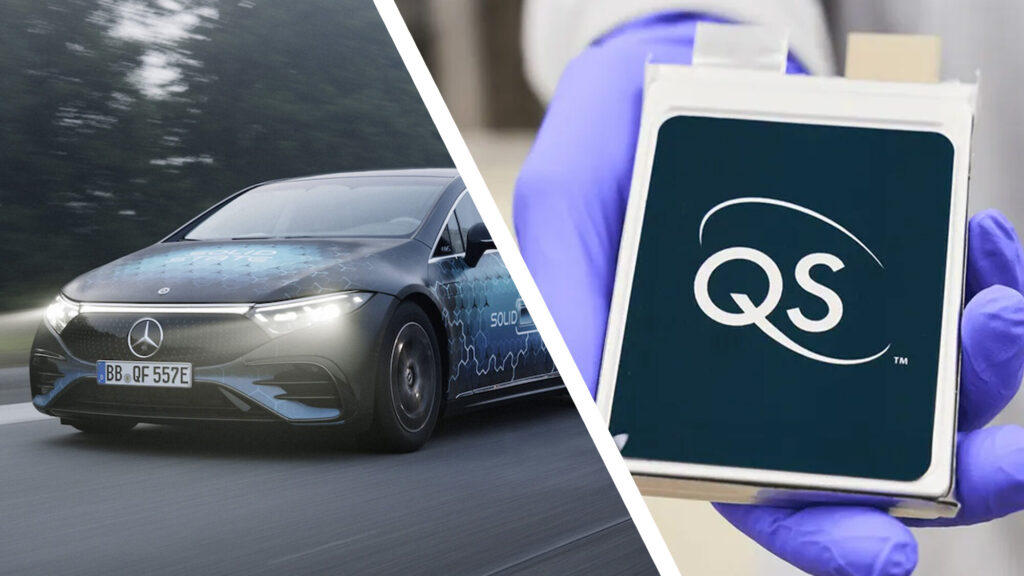
The electric vehicle (EV) landscape is undergoing a seismic shift this week as major automotive players confirm the mass-market arrival of solid-state battery technology. For over a decade, this technology has been the “holy grail” of the energy sector, promising to eliminate the range anxiety and charging delays that have stalled broader EV adoption. On Tuesday, a joint announcement from a leading consortium of manufacturers revealed that the first fleet of consumer vehicles equipped with solid-state cells has officially rolled off production lines in Japan and Germany. Unlike traditional lithium-ion batteries, which use a liquid electrolyte, these new power units utilize a solid electrolyte material. This fundamental change allows for significantly higher energy density, meaning cars can now travel upwards of 800 miles on a single charge while maintaining a lighter chassis weight.
The implications for the consumer market are immediate and profound. Early test drives and independent verifications conducted earlier this month indicate that these vehicles can charge from 10% to 80% in under five minutes using ultra-fast chargers. This speed effectively brings the EV refueling experience to parity with filling a gas tank, removing one of the last major psychological barriers for potential buyers. Industry analysts predict that this shift will accelerate the depreciation of combustion engine vehicles faster than previously modeled. Furthermore, the safety profile of solid-state batteries is far superior; the absence of flammable liquid electrolytes drastically reduces the risk of thermal runaway and fires, a concern that has plagued earlier generations of electric transport.
Infrastructure overhaul required to support ultra-fast energy transfer
However, the arrival of this technology brings a new set of logistical challenges for global energy grids. The sheer amount of power required to charge a battery in five minutes is immense, necessitating a substantial upgrade to existing charging infrastructure. Utility companies in North America and Europe are already scrambling to upgrade substations and grid connections to handle the surge in peak demand. Reports suggest that without significant investment in grid modernization, the true potential of solid-state charging speeds may be bottlenecked in residential areas. Governments are expected to announce new subsidies next month aimed specifically at “Level 4” charging stations capable of delivering the megawatt-scale power needed for these next-gen vehicles.
Beyond the passenger vehicle market, the ripple effects are being felt in the logistics and heavy transport sectors. Trucking companies, which have been hesitant to electrify due to the weight of traditional batteries and long downtime for charging, are reportedly placing record pre-orders for solid-state equipped semi-trucks. The ability to run long-haul routes with minimal stopping time could revolutionize supply chains, lowering shipping costs and carbon footprints simultaneously. As production scales up throughout 2026, costs are expected to plummet, potentially making EVs cheaper than gas cars by the end of the year. The era of the liquid-electrolyte battery is not over yet, but the countdown to its obsolescence has officially begun.