

9:27 pm, Friday, 30 January 2026

Florida animals seek warmth as rare cold snap grips state

Sarakhon Report

Zoos bring reptiles and mammals indoors, manatees cluster near power plants

A rare cold front swept across Florida, forcing zoos to take extra measures to protect animals unaccustomed to the chill. Facilities in Jacksonville, Tampa and Miami installed heaters for reptiles and small mammals, moved tropical birds and primates indoors and placed baby alligators in heated barns. “Most of our animals are used to a subtropical climate,” said a Central Florida Zoo official. When water temperatures dipped below around 20°C, wild manatees congregated near warm‑water outflows from power plants or natural springs. Hundreds were spotted huddling at Tampa Electric’s Big Bend power station, though officials said the animals have not required supplemental feeding this winter.

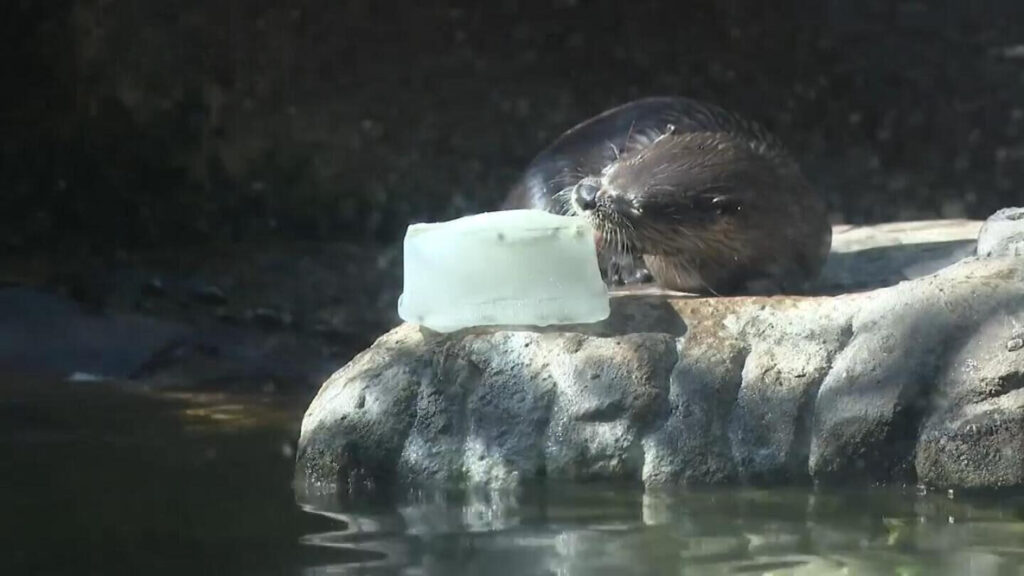
Frozen treats, cold showers and lots of ice; Florida zoo works to protect  animals from summer heat

Climate change and habitat loss complicate wildlife care

Cold snaps in Florida are infrequent but can be deadly for tropical species. Iguanas sometimes fall from trees and appear lifeless until temperatures rise, while sea turtles stunned by cold water must be rescued. A 2010 freeze killed hundreds of manatees and fish, spurring emergency plans. Scientists warn that climate change may make cold fronts less frequent but more extreme and that warmer oceans amplify temperature contrasts, posing risks for marine life. Human development has also degraded natural warm refuges; many springs have been damaged by water extraction and pollution, leaving manatees dependent on artificial warm waters near power plants. Conservationists are urging the state to restore springs and reduce runoff. Officials are asking visitors to observe animals from a distance and not to feed or touch wild manatees, as habituation can increase the risk of boat strikes. Boaters are reminded to slow down in manatee zones. Once the cold passes, zoos will return animals to outdoor habitats, but caretakers remain prepared for future cold snaps.


Florida zoo works to protect animals from summer heat


06:08:16 pm, Friday, 30 January 2026

Florida animals seek warmth as rare cold snap grips state

06:08:16 pm, Friday, 30 January 2026

Zoos bring reptiles and mammals indoors, manatees cluster near power plants

A rare cold front swept across Florida, forcing zoos to take extra measures to protect animals unaccustomed to the chill. Facilities in Jacksonville, Tampa and Miami installed heaters for reptiles and small mammals, moved tropical birds and primates indoors and placed baby alligators in heated barns. “Most of our animals are used to a subtropical climate,” said a Central Florida Zoo official. When water temperatures dipped below around 20°C, wild manatees congregated near warm‑water outflows from power plants or natural springs. Hundreds were spotted huddling at Tampa Electric’s Big Bend power station, though officials said the animals have not required supplemental feeding this winter.

Frozen treats, cold showers and lots of ice; Florida zoo works to protect  animals from summer heat

Climate change and habitat loss complicate wildlife care

Cold snaps in Florida are infrequent but can be deadly for tropical species. Iguanas sometimes fall from trees and appear lifeless until temperatures rise, while sea turtles stunned by cold water must be rescued. A 2010 freeze killed hundreds of manatees and fish, spurring emergency plans. Scientists warn that climate change may make cold fronts less frequent but more extreme and that warmer oceans amplify temperature contrasts, posing risks for marine life. Human development has also degraded natural warm refuges; many springs have been damaged by water extraction and pollution, leaving manatees dependent on artificial warm waters near power plants. Conservationists are urging the state to restore springs and reduce runoff. Officials are asking visitors to observe animals from a distance and not to feed or touch wild manatees, as habituation can increase the risk of boat strikes. Boaters are reminded to slow down in manatee zones. Once the cold passes, zoos will return animals to outdoor habitats, but caretakers remain prepared for future cold snaps.

Florida zoo works to protect animals from summer heat