7:50 am, Friday, 17 April 2026

North Atlantic Right Whale Records Best Calving Season in 15 Years

Sarakhon Report

Twenty-two calves spotted, hope cautious but real

The 2025-2026 North Atlantic right whale calving season has produced 22 confirmed mother-and-calf pairs, the highest tally in fifteen years and nearly double the 11 calves recorded during the previous season. Researchers tracking the critically endangered whales along the southeastern coast of the United States view the result as genuinely encouraging, even as they stress that it represents only a fraction of what the species requires to recover. The entire North Atlantic right whale population is estimated at around 380 to 384 individuals, with only approximately 70 reproductively active females. In ideal conditions, a female right whale might produce a calf every three years. But stress caused by vessel strikes, fishing gear entanglement, and shifting food availability linked to climate change has pushed calving intervals to between seven and ten years for many individuals in the population. The calving season runs from mid-November through mid-April, with most births occurring off the coasts of Florida, Georgia, and the Carolinas in December and January. Among the notable arrivals this season was a ninth calf for a whale known as Ghost, a female estimated to be close to fifty years old, sighted off Flagler Beach, Florida, in late January. Another first-time mother, Catalog number 4610, produced her calf without any visible scars from entanglements or vessel strikes, a rare circumstance that researchers say may reflect a more natural calving timeline.
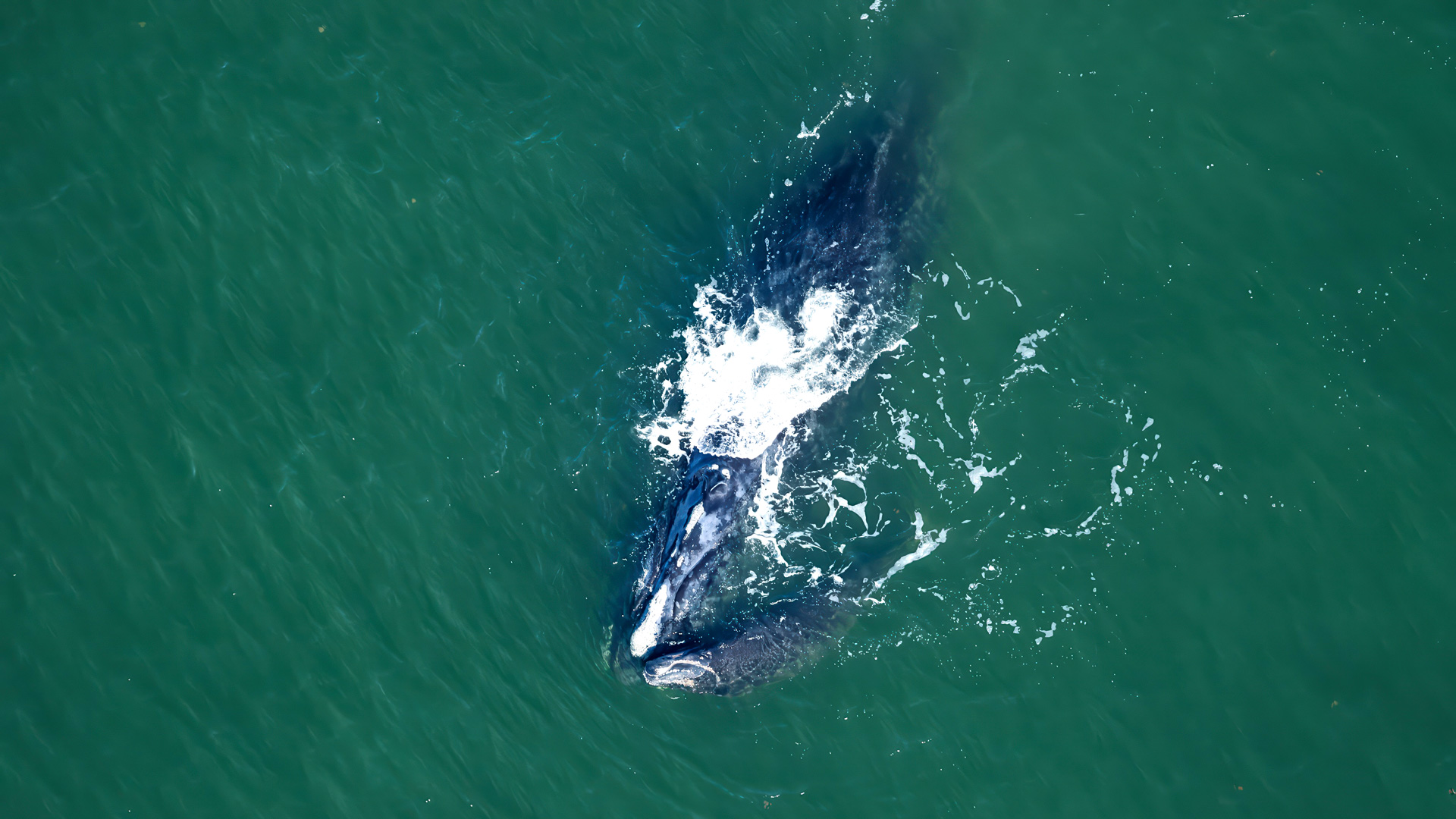
2026 North Atlantic right whale calving season

Recovery still fragile, threats undiminished

Despite the encouraging numbers, marine scientists emphasise that the species remains in severe danger. NOAA Fisheries estimates that at the current rate of human-caused mortality and injury, approximately 50 calves would need to be born every season for many years to halt the population decline and allow genuine recovery. That figure is far beyond what the existing population of reproductively active females can produce. The population has shown signs of modest increase over three consecutive years, with the most recent abundance estimate up by approximately 20 individuals from 2020 levels. However, human threats have not abated. A four-year-old male known as Division was found dead off North Carolina in January after succumbing to injuries from fishing gear entanglement, despite an earlier partial disentanglement effort. NOAA Fisheries has also opened an advance notice of proposed rulemaking that conservation groups fear could weaken the existing vessel speed rule, which limits vessels longer than 65 feet to 10 knots in seasonal management areas where right whales congregate. Scientists tracking the whales noted that areas south of Cape Cod and off Virginia’s Chesapeake Bay are increasingly important feeding zones that currently fall outside speed-restricted zones, leaving the whales exposed when they forage there.
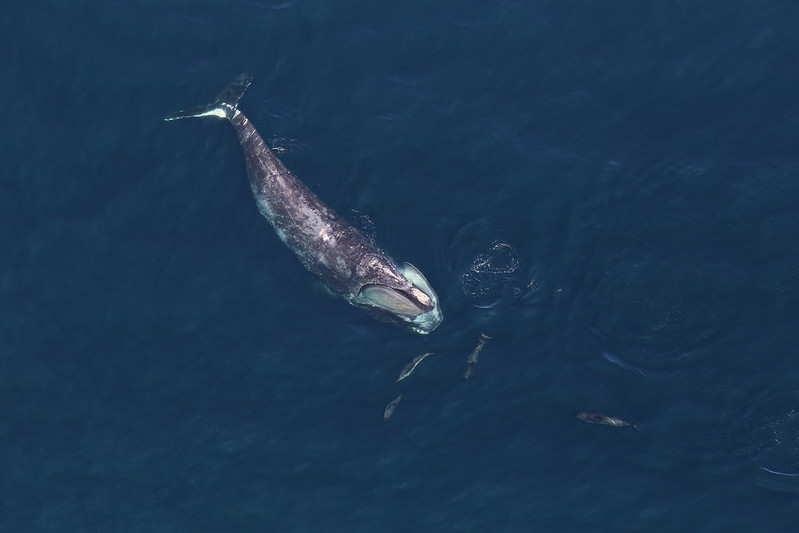

Encouraging breeding season for North Atlantic Right Whale - BirdGuides

05:30:37 pm, Tuesday, 17 March 2026

North Atlantic Right Whale Records Best Calving Season in 15 Years

05:30:37 pm, Tuesday, 17 March 2026

Twenty-two calves spotted, hope cautious but real

The 2025-2026 North Atlantic right whale calving season has produced 22 confirmed mother-and-calf pairs, the highest tally in fifteen years and nearly double the 11 calves recorded during the previous season. Researchers tracking the critically endangered whales along the southeastern coast of the United States view the result as genuinely encouraging, even as they stress that it represents only a fraction of what the species requires to recover. The entire North Atlantic right whale population is estimated at around 380 to 384 individuals, with only approximately 70 reproductively active females. In ideal conditions, a female right whale might produce a calf every three years. But stress caused by vessel strikes, fishing gear entanglement, and shifting food availability linked to climate change has pushed calving intervals to between seven and ten years for many individuals in the population. The calving season runs from mid-November through mid-April, with most births occurring off the coasts of Florida, Georgia, and the Carolinas in December and January. Among the notable arrivals this season was a ninth calf for a whale known as Ghost, a female estimated to be close to fifty years old, sighted off Flagler Beach, Florida, in late January. Another first-time mother, Catalog number 4610, produced her calf without any visible scars from entanglements or vessel strikes, a rare circumstance that researchers say may reflect a more natural calving timeline.

2026 North Atlantic right whale calving season

Recovery still fragile, threats undiminished

Despite the encouraging numbers, marine scientists emphasise that the species remains in severe danger. NOAA Fisheries estimates that at the current rate of human-caused mortality and injury, approximately 50 calves would need to be born every season for many years to halt the population decline and allow genuine recovery. That figure is far beyond what the existing population of reproductively active females can produce. The population has shown signs of modest increase over three consecutive years, with the most recent abundance estimate up by approximately 20 individuals from 2020 levels. However, human threats have not abated. A four-year-old male known as Division was found dead off North Carolina in January after succumbing to injuries from fishing gear entanglement, despite an earlier partial disentanglement effort. NOAA Fisheries has also opened an advance notice of proposed rulemaking that conservation groups fear could weaken the existing vessel speed rule, which limits vessels longer than 65 feet to 10 knots in seasonal management areas where right whales congregate. Scientists tracking the whales noted that areas south of Cape Cod and off Virginia’s Chesapeake Bay are increasingly important feeding zones that currently fall outside speed-restricted zones, leaving the whales exposed when they forage there.

Encouraging breeding season for North Atlantic Right Whale - BirdGuides