

Monarch Butterfly Population Jumps 64 Percent, But Long-Term Decline Persists

A hopeful winter count
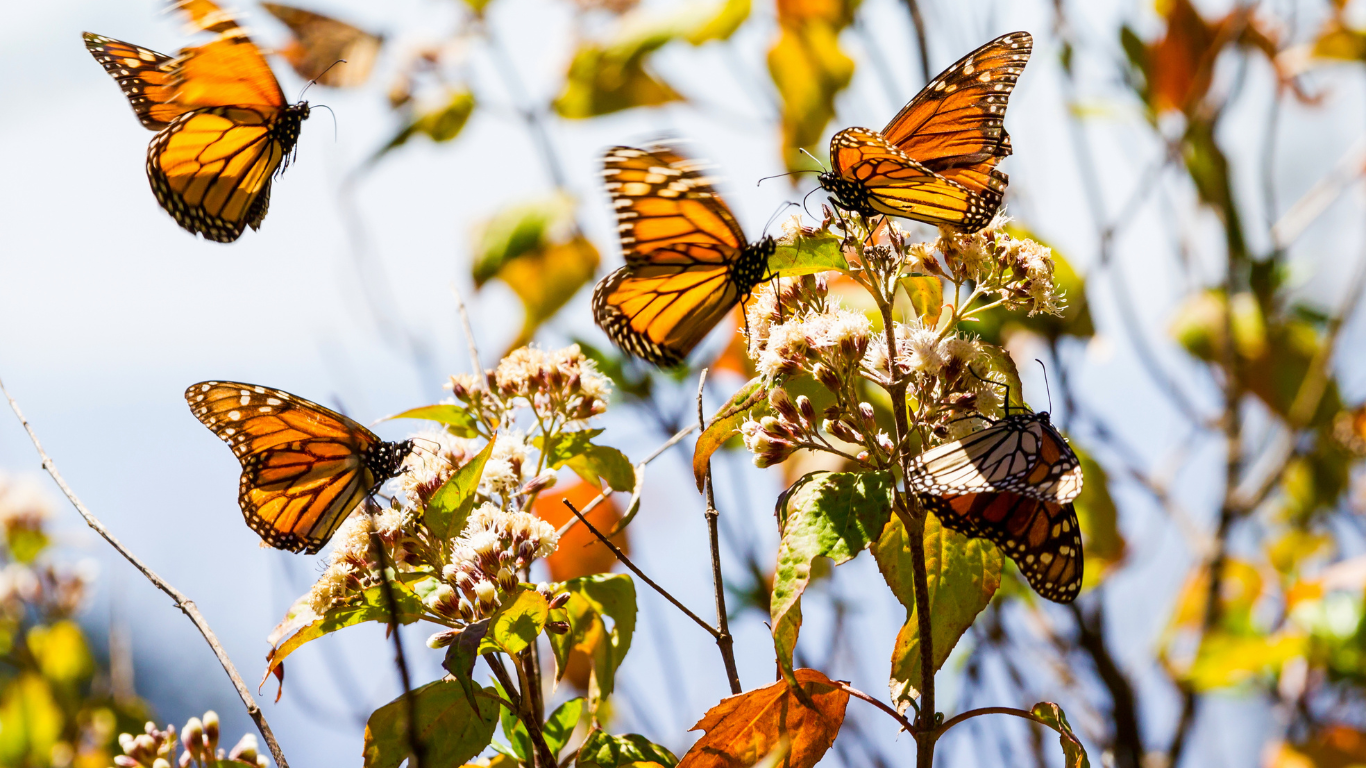
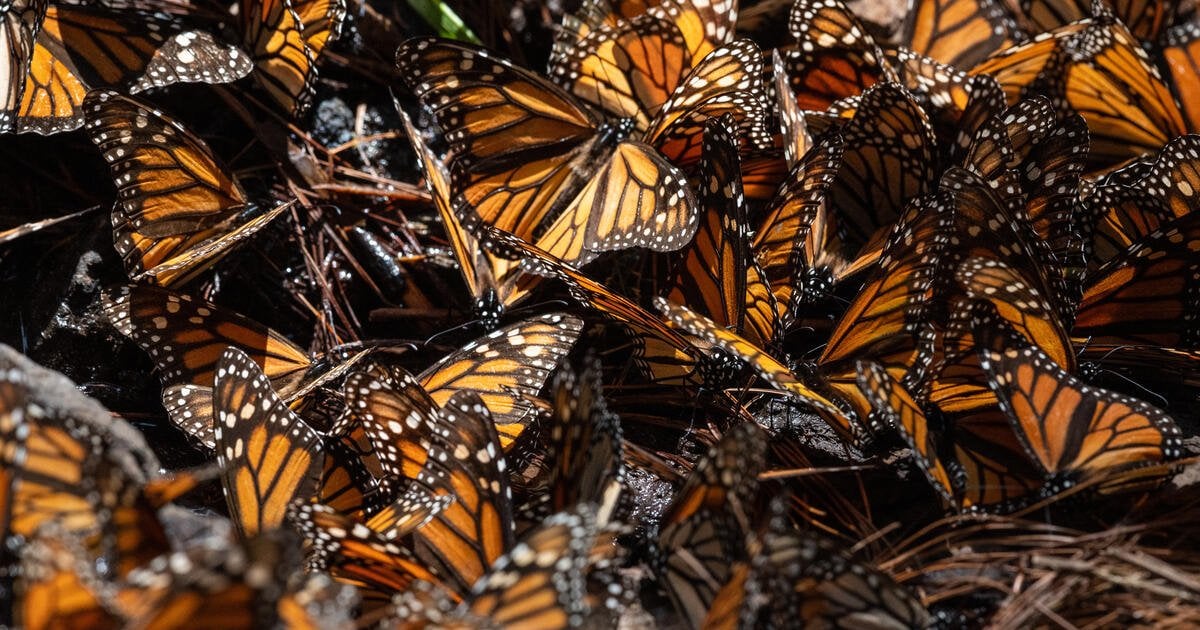
Eastern migratory monarch butterflies recorded a significant population rebound during their 2025-2026 overwintering season in central Mexico, according to new survey data published in March 2026 by WWF-Mexico and Mexico’s National Commission of Protected Natural Areas. Scientists found that monarchs occupied 7.24 acres of forest during the hibernation period, up from 4.42 acres the previous winter. Expressed in hectares, the area climbed from 1.79 to 2.93 hectares, a rise of 64 percent and a figure slightly above the decade-long average of 2.81 hectares. Researchers estimate that each hectare of densely clustered monarch forest can contain between 20 million and 30 million individual butterflies, giving a sense of the scale of this seasonal recovery.
The annual WWF-Mexico-led survey is the primary scientific tool for monitoring monarch population status. Rather than counting individual butterflies, which would be impractical given the sheer numbers involved, scientists measure the total area of oyamel fir trees blanketed by clusters of hibernating butterflies across nine major colonies within the Monarch Butterfly Biosphere Reserve in the mountains of Michoacán and Estado de Mexico. The forests in that reserve serve a dual ecological function. They provide microclimate conditions essential to monarch survival during winter, and they are also a major freshwater source for the Cutzamala hydrological system, which supplies drinking water to more than five million people in and around Mexico City.
Conservation gains and ongoing threats
A companion report on forest degradation within the reserve’s core zone showed meaningful improvement. Between February 2024 and February 2025, 6.30 acres of forest were degraded, down from 9.21 acres reported the year before. Illegal logging remained the single largest driver of habitat loss at 4.58 acres, followed by forest fires and drought. WWF said the improvement reflects the positive impact of sustained community engagement, local partnerships, and government cooperation in forest management and enforcement within the reserve.
Despite the welcome numbers, conservation scientists were careful not to frame the season as a recovery. The eastern monarch population stood at roughly 45 acres of occupied forest 30 years ago. The long-term downward trend remains firmly in place even as year-over-year figures fluctuate. The United States Fish and Wildlife Service has proposed listing the monarch as a threatened species under the Endangered Species Act, a measure that conservationists say is essential to sustain any population gains. Persistent threats include neonicotinoid pesticides widely used across the North American breeding range, the loss of milkweed habitat due to herbicide use, climate change, and extreme weather events along the migration corridor. The western monarch population, which winters along the California coast, remains in far worse shape, with mid-season counts recording around 8,000 individuals against historical averages in the millions.