
Fighting on Thai-Cambodia border uproots thousands as fragile truce collapses

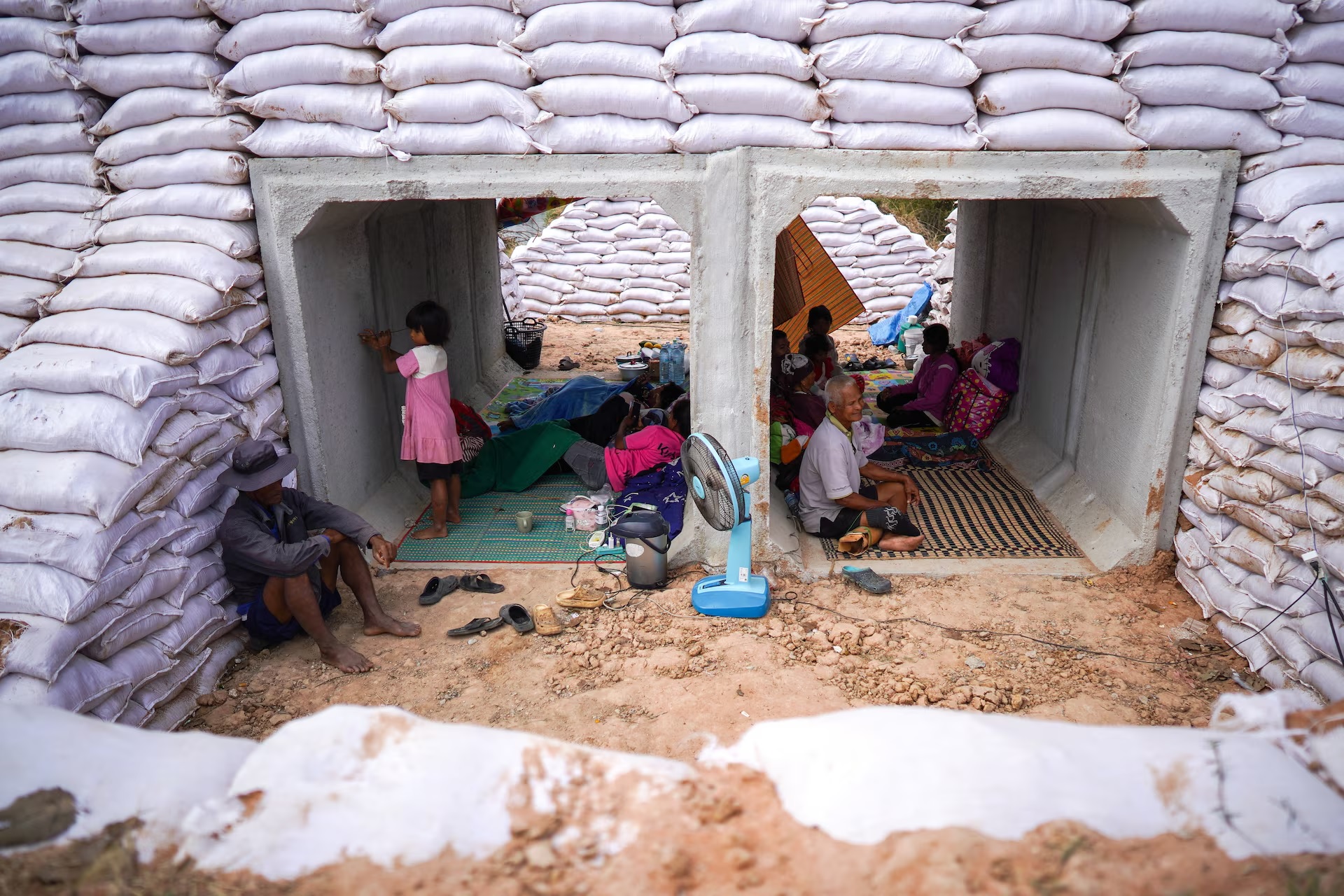
Border villages empty out as shells fall again
Families along the Thai-Cambodia frontier are fleeing for a second time in a year as heavy shelling and artillery fire shatter a fragile ceasefire around disputed territory near the Ta Krabey temple. Thai authorities have moved tens of thousands into makeshift shelters in Sa Kaeo and Buriram provinces, while Cambodian villagers near Samraong are again hauling belongings onto tractors and motorbikes in search of safety. Local leaders say some residents are staying behind to guard homes and livestock from looters even as explosions echo through nearby hills.
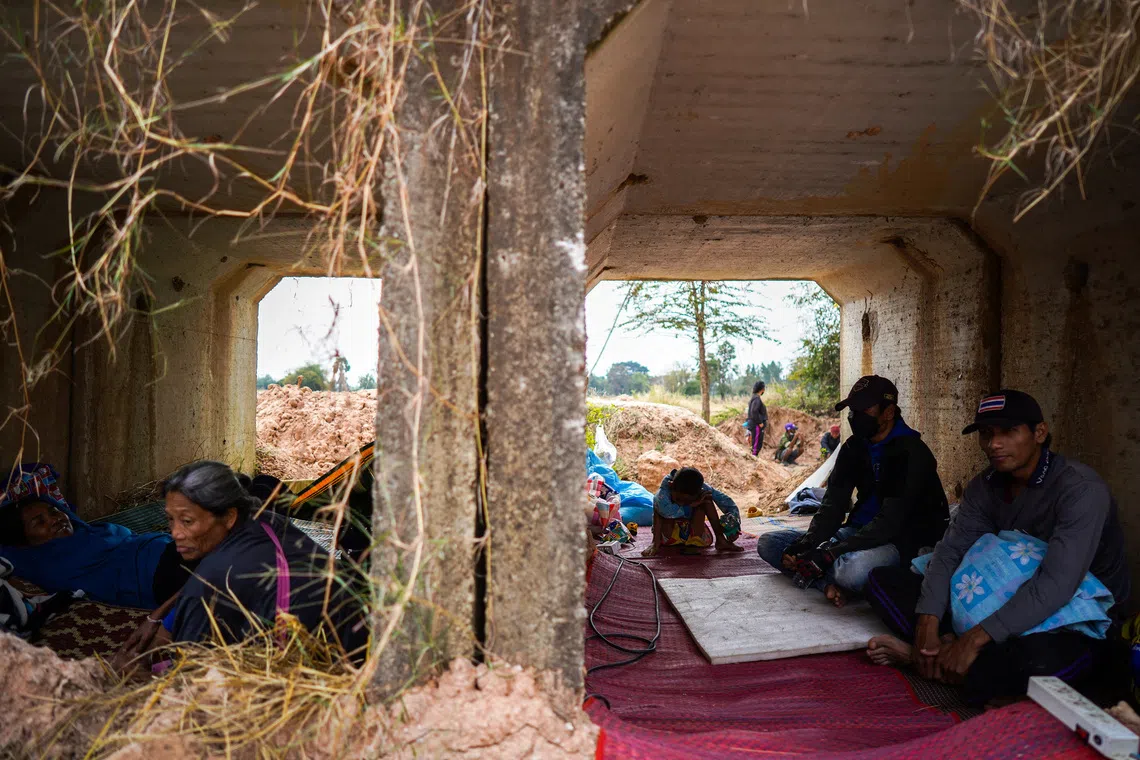
The renewed clashes follow months of tense calm after a U.S.-brokered truce earlier in the year, raising questions over how long outside mediation can restrain simmering territorial disputes. Both Bangkok and Phnom Penh accuse the other of restarting hostilities and of firing into civilian areas, while nationalists in each country seize on the violence to demand a tougher military response. For families on both sides, however, the conflict is less about national pride than about losing crops, classrooms and already-limited incomes for an uncertain second time.
Border civilians bear the brunt
In Thai border communities, security volunteers and village heads have set up improvised bunkers from sandbags and stacked tires, taking turns patrolling empty streets while most residents crowd into schools and district halls repurposed as shelters. Local officials warn that if shelling continues, camps could become long-term settlements, straining food, water and medical supplies in poor rural districts already hit by inflation and drought. Parents say children who only recently returned to school after the last flare-up are again out of class, with lessons shifting to crowded rooms inside evacuation centers.

On the Cambodian side, villagers who still remember fleeing earlier clashes say they had packed small bags in advance, expecting the ceasefire might not last. Many have crossed into safer interior districts, relying on church groups, mosques and community networks for food and temporary shelter. Aid groups warn that renewed displacement will deepen land disputes and poverty in border regions where documentation is weak and residents often lack formal titles. For Southeast Asia’s leaders, the crisis is a reminder that long-running, low-intensity disputes can quickly threaten economic corridors and regional stability if not managed carefully.