3:32 am, Thursday, 18 December 2025

SEVERE ASIAN STORMS AND FLOODS DISPLACE MILLIONS

Sarakhon Report

Cyclones Senyar and Ditwah intensify weather destruction
A series of severe tropical storms and monsoon floods ravaged large swaths of Southeast Asia in late 2025, leaving unprecedented destruction in their wake and raising alarms about climate-linked weather extremes. Tropical Cyclone Senyar formed over the Malacca Strait before decimating communities in Indonesia, Malaysia, and parts of Thailand. At the same time, Cyclone Ditwah brought torrential rains to Sri Lanka and southern India, triggering landslides, flash floods, and widespread displacement. Relief workers are struggling to reach isolated populations as infrastructure collapses and shelter demands balloon across the region.

The official death toll from these events has climbed into the thousands, with Indonesia’s Sumatra province among the hardest hit. Flash floods and landslides in Aceh, North Sumatra, and West Sumatra caused the deaths of hundreds of people, with emergency teams reporting nearly a thousand fatalities and thousands more injured or missing. Displaced families are living in makeshift camps or with relatives, while local authorities appeal for international assistance to cope with food, water, and medical shortages.

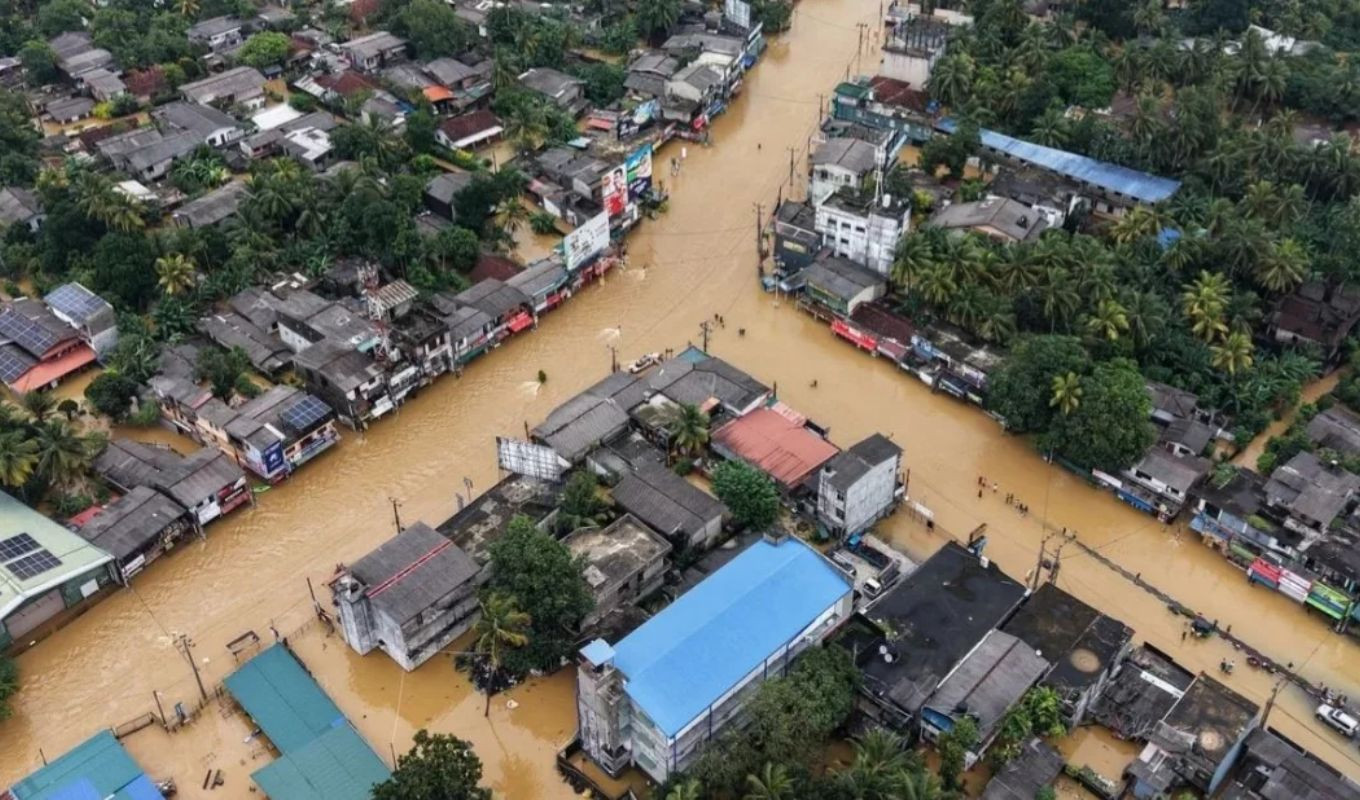
Environmental conditions amplified the storms’ impact. Above-average sea surface temperatures in the North Indian Ocean, tied to ongoing global warming trends, added energy to the storm systems, increasing rainfall intensity and promoting deeper flooding than normally expected during the monsoon season. In Sri Lanka, the flooding and landslides left entire villages buried under mud, destroyed homes, and swept away vital transport links. Central highland regions saw catastrophic landslides that wiped out communities and claimed dozens of lives.

Economic losses are staggering. Property damage, lost harvests, and destroyed infrastructure are estimated in the billions of dollars. Roads, bridges, and utility grids that survived previous weather events were overwhelmed by the sheer volume of water. In remote districts, rescue teams are still working around the clock, battling unstable terrain and persistent rains to evacuate vulnerable residents.

At least 1,250 people dead: What caused the devastating Asia floods?

Despite the scale of the disaster, preparedness and early warning systems varied significantly by country and region. Areas with stronger monitoring and response systems were able to evacuate tens of thousands before peak flooding, reducing potential casualties. But in many rural zones, early warnings did not reach residents in time, and evacuation shelters were insufficient for surging populations.

Climate scientists say these extreme weather patterns offer a stark example of how rising global temperatures can intensify natural events. Warmer air can hold more moisture, which fuels heavier rainfalls, and shifting ocean temperatures can alter storm paths and strengths. Experts note that while such cyclones and monsoonal floods have long been part of the regional climatology, their increased frequency and intensity are consistent with projections of climate change impacts across South and Southeast Asia.

Governments and aid agencies are now coordinating long-term recovery efforts, including rebuilding homes, repairing damaged roads, and restoring essential services. International humanitarian organizations are also mobilizing resources for food distribution, clean water access, and healthcare support for displaced families. There are calls from regional leaders for more robust climate adaptation planning, better early warning networks, and investments in flood-resilient infrastructure to reduce future losses in highly vulnerable communities.

The scale of this year’s climate disasters in Asia underscores the urgent need for a comprehensive response combining humanitarian relief, infrastructure resilience, and global cooperation on emissions reduction. As the rainy season officially winds down, the full economic and human toll is still being tallied, and many families face months or years of rebuilding ahead.


05:13:23 pm, Wednesday, 17 December 2025

SEVERE ASIAN STORMS AND FLOODS DISPLACE MILLIONS

05:13:23 pm, Wednesday, 17 December 2025

Cyclones Senyar and Ditwah intensify weather destruction
A series of severe tropical storms and monsoon floods ravaged large swaths of Southeast Asia in late 2025, leaving unprecedented destruction in their wake and raising alarms about climate-linked weather extremes. Tropical Cyclone Senyar formed over the Malacca Strait before decimating communities in Indonesia, Malaysia, and parts of Thailand. At the same time, Cyclone Ditwah brought torrential rains to Sri Lanka and southern India, triggering landslides, flash floods, and widespread displacement. Relief workers are struggling to reach isolated populations as infrastructure collapses and shelter demands balloon across the region.

The official death toll from these events has climbed into the thousands, with Indonesia’s Sumatra province among the hardest hit. Flash floods and landslides in Aceh, North Sumatra, and West Sumatra caused the deaths of hundreds of people, with emergency teams reporting nearly a thousand fatalities and thousands more injured or missing. Displaced families are living in makeshift camps or with relatives, while local authorities appeal for international assistance to cope with food, water, and medical shortages.

Environmental conditions amplified the storms’ impact. Above-average sea surface temperatures in the North Indian Ocean, tied to ongoing global warming trends, added energy to the storm systems, increasing rainfall intensity and promoting deeper flooding than normally expected during the monsoon season. In Sri Lanka, the flooding and landslides left entire villages buried under mud, destroyed homes, and swept away vital transport links. Central highland regions saw catastrophic landslides that wiped out communities and claimed dozens of lives.

Economic losses are staggering. Property damage, lost harvests, and destroyed infrastructure are estimated in the billions of dollars. Roads, bridges, and utility grids that survived previous weather events were overwhelmed by the sheer volume of water. In remote districts, rescue teams are still working around the clock, battling unstable terrain and persistent rains to evacuate vulnerable residents.

At least 1,250 people dead: What caused the devastating Asia floods?

Despite the scale of the disaster, preparedness and early warning systems varied significantly by country and region. Areas with stronger monitoring and response systems were able to evacuate tens of thousands before peak flooding, reducing potential casualties. But in many rural zones, early warnings did not reach residents in time, and evacuation shelters were insufficient for surging populations.

Climate scientists say these extreme weather patterns offer a stark example of how rising global temperatures can intensify natural events. Warmer air can hold more moisture, which fuels heavier rainfalls, and shifting ocean temperatures can alter storm paths and strengths. Experts note that while such cyclones and monsoonal floods have long been part of the regional climatology, their increased frequency and intensity are consistent with projections of climate change impacts across South and Southeast Asia.

Governments and aid agencies are now coordinating long-term recovery efforts, including rebuilding homes, repairing damaged roads, and restoring essential services. International humanitarian organizations are also mobilizing resources for food distribution, clean water access, and healthcare support for displaced families. There are calls from regional leaders for more robust climate adaptation planning, better early warning networks, and investments in flood-resilient infrastructure to reduce future losses in highly vulnerable communities.

The scale of this year’s climate disasters in Asia underscores the urgent need for a comprehensive response combining humanitarian relief, infrastructure resilience, and global cooperation on emissions reduction. As the rainy season officially winds down, the full economic and human toll is still being tallied, and many families face months or years of rebuilding ahead.