3:26 am, Thursday, 18 December 2025

Ukraine Pushes for Stronger Guarantees as EU Weighs Long-Term Security Role

Sarakhon Report

Kyiv presses allies amid shifting diplomatic momentum
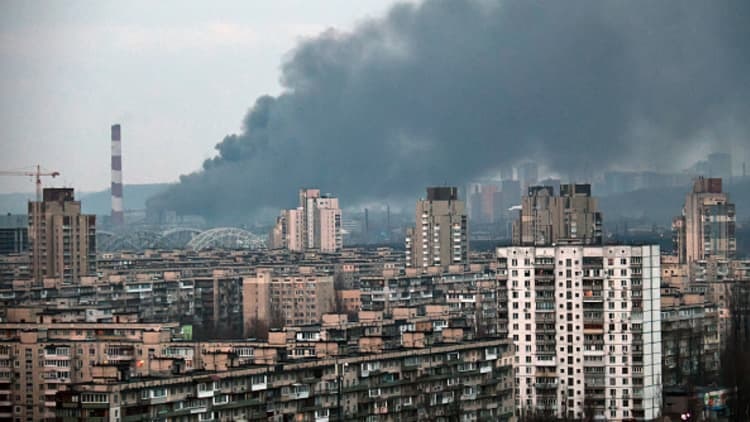
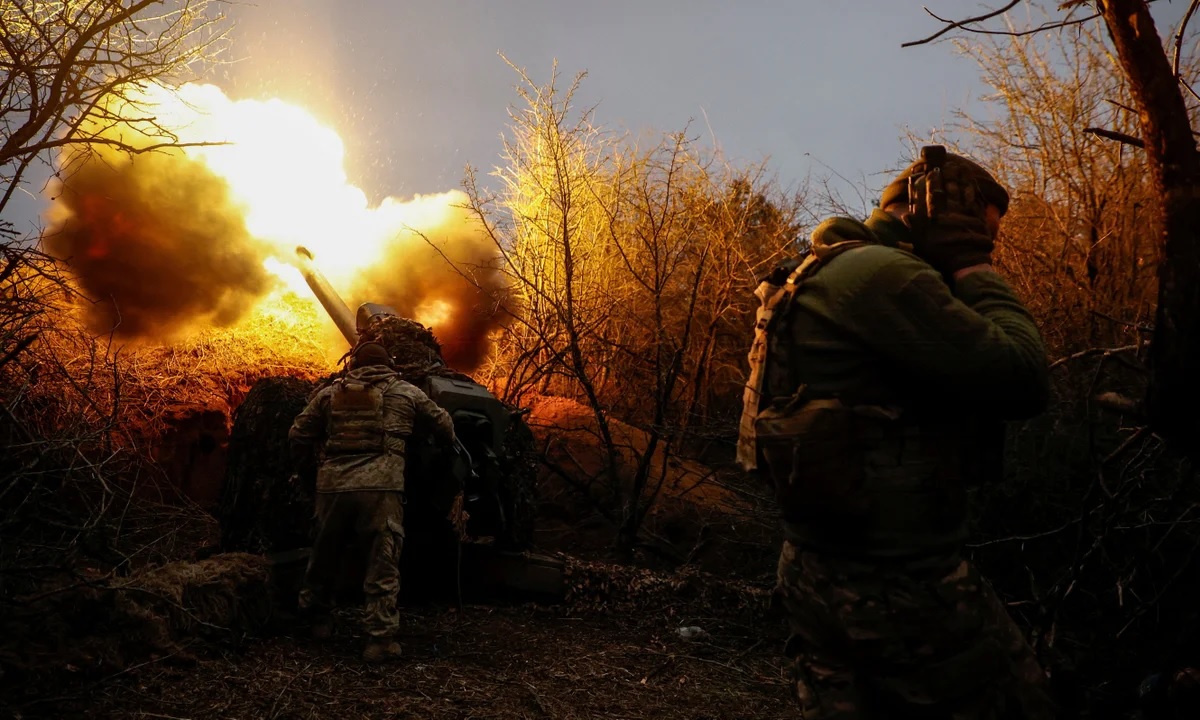
Ukraine is intensifying calls for binding security guarantees as European leaders debate how far they are willing to go if U.S. involvement declines. The renewed push comes as diplomatic activity accelerates around possible pathways to end the war, raising fears in Kyiv that speed could override substance. Ukrainian officials say any settlement that lacks credible deterrence would leave the country exposed to renewed aggression and would fail to stabilize Europe’s eastern flank.
At the center of the debate is whether Europe can move from political support to enforceable commitments. Discussions include long-term military assistance, joint production of defense equipment, and mechanisms that would trigger responses if ceasefire lines are violated. Ukrainian leaders argue that verbal assurances are no longer sufficient after repeated breaches of past agreements. They want guarantees that function in practice, not just on paper.
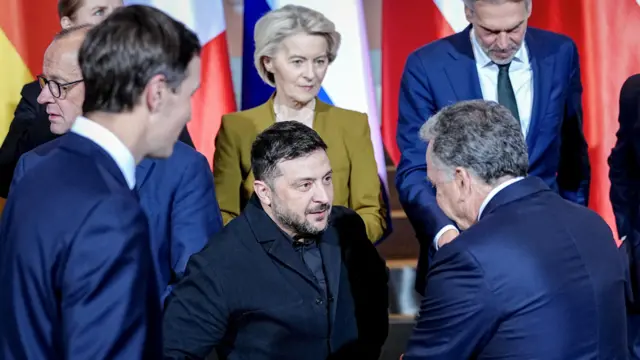
European capitals remain divided. Some governments are open to deeper involvement, seeing Ukraine as the frontline of continental security. Others worry about legal limits, domestic opposition, and the risk of escalation. The result is a careful balancing act: reassuring Kyiv while avoiding promises that Europe may struggle to fulfill.
Security guarantees versus alliance membership
Ukraine continues to frame its preferred outcome as eventual membership in NATO or an equivalent structure. However, European officials acknowledge that formal alliance expansion remains politically sensitive and unlikely in the near term. That reality has pushed discussions toward interim solutions that would approximate collective defense without triggering treaty obligations.
Proposals include long-term weapons pipelines, shared intelligence frameworks, and permanent training missions inside Ukraine. Supporters say these steps could raise the cost of future attacks and signal durability. Critics argue they still fall short of the automatic protections Kyiv seeks and could leave dangerous gray zones.
The debate reflects a broader question for Europe: whether it is prepared to act as a security guarantor in its own right. For decades, that role rested largely with the United States. As Washington reassesses its global priorities, Europe faces pressure to define what strategic autonomy really means in practice.
Costs, politics, and public patience
European leaders are also confronting domestic constraints. Defense spending has already risen sharply, and voters are increasingly sensitive to inflation and budget pressures. Governments fear that open-ended commitments could trigger backlash, particularly if the war appears frozen rather than resolved.
Ukraine, meanwhile, warns that ambiguity carries its own costs. A weak settlement could lock Europe into years of heightened alert, repeated crises, and emergency spending. Kyiv’s message is that clarity now may be cheaper than instability later.
As talks continue, the gap between what Ukraine demands and what Europe is ready to guarantee remains wide. The coming weeks will test whether that gap can be narrowed—or whether security questions will once again be deferred in the name of expediency.

06:03:12 pm, Wednesday, 17 December 2025

Ukraine Pushes for Stronger Guarantees as EU Weighs Long-Term Security Role

06:03:12 pm, Wednesday, 17 December 2025

Kyiv presses allies amid shifting diplomatic momentum
Ukraine is intensifying calls for binding security guarantees as European leaders debate how far they are willing to go if U.S. involvement declines. The renewed push comes as diplomatic activity accelerates around possible pathways to end the war, raising fears in Kyiv that speed could override substance. Ukrainian officials say any settlement that lacks credible deterrence would leave the country exposed to renewed aggression and would fail to stabilize Europe’s eastern flank.
At the center of the debate is whether Europe can move from political support to enforceable commitments. Discussions include long-term military assistance, joint production of defense equipment, and mechanisms that would trigger responses if ceasefire lines are violated. Ukrainian leaders argue that verbal assurances are no longer sufficient after repeated breaches of past agreements. They want guarantees that function in practice, not just on paper.
European capitals remain divided. Some governments are open to deeper involvement, seeing Ukraine as the frontline of continental security. Others worry about legal limits, domestic opposition, and the risk of escalation. The result is a careful balancing act: reassuring Kyiv while avoiding promises that Europe may struggle to fulfill.
Security guarantees versus alliance membership
Ukraine continues to frame its preferred outcome as eventual membership in NATO or an equivalent structure. However, European officials acknowledge that formal alliance expansion remains politically sensitive and unlikely in the near term. That reality has pushed discussions toward interim solutions that would approximate collective defense without triggering treaty obligations.
Proposals include long-term weapons pipelines, shared intelligence frameworks, and permanent training missions inside Ukraine. Supporters say these steps could raise the cost of future attacks and signal durability. Critics argue they still fall short of the automatic protections Kyiv seeks and could leave dangerous gray zones.
The debate reflects a broader question for Europe: whether it is prepared to act as a security guarantor in its own right. For decades, that role rested largely with the United States. As Washington reassesses its global priorities, Europe faces pressure to define what strategic autonomy really means in practice.
Costs, politics, and public patience
European leaders are also confronting domestic constraints. Defense spending has already risen sharply, and voters are increasingly sensitive to inflation and budget pressures. Governments fear that open-ended commitments could trigger backlash, particularly if the war appears frozen rather than resolved.
Ukraine, meanwhile, warns that ambiguity carries its own costs. A weak settlement could lock Europe into years of heightened alert, repeated crises, and emergency spending. Kyiv’s message is that clarity now may be cheaper than instability later.
As talks continue, the gap between what Ukraine demands and what Europe is ready to guarantee remains wide. The coming weeks will test whether that gap can be narrowed—or whether security questions will once again be deferred in the name of expediency.