
Oil Prices Jump as Venezuela Tanker “Blockade” Raises Uncertainty

A new shock layered onto fragile demand
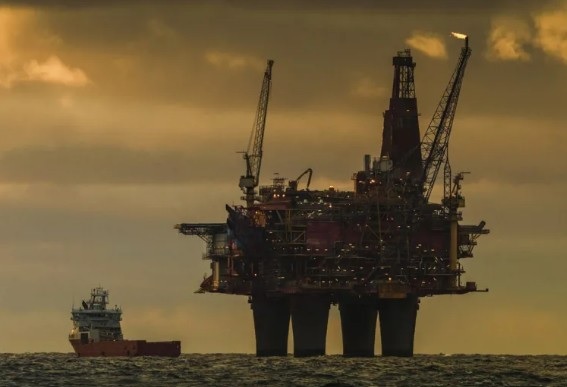
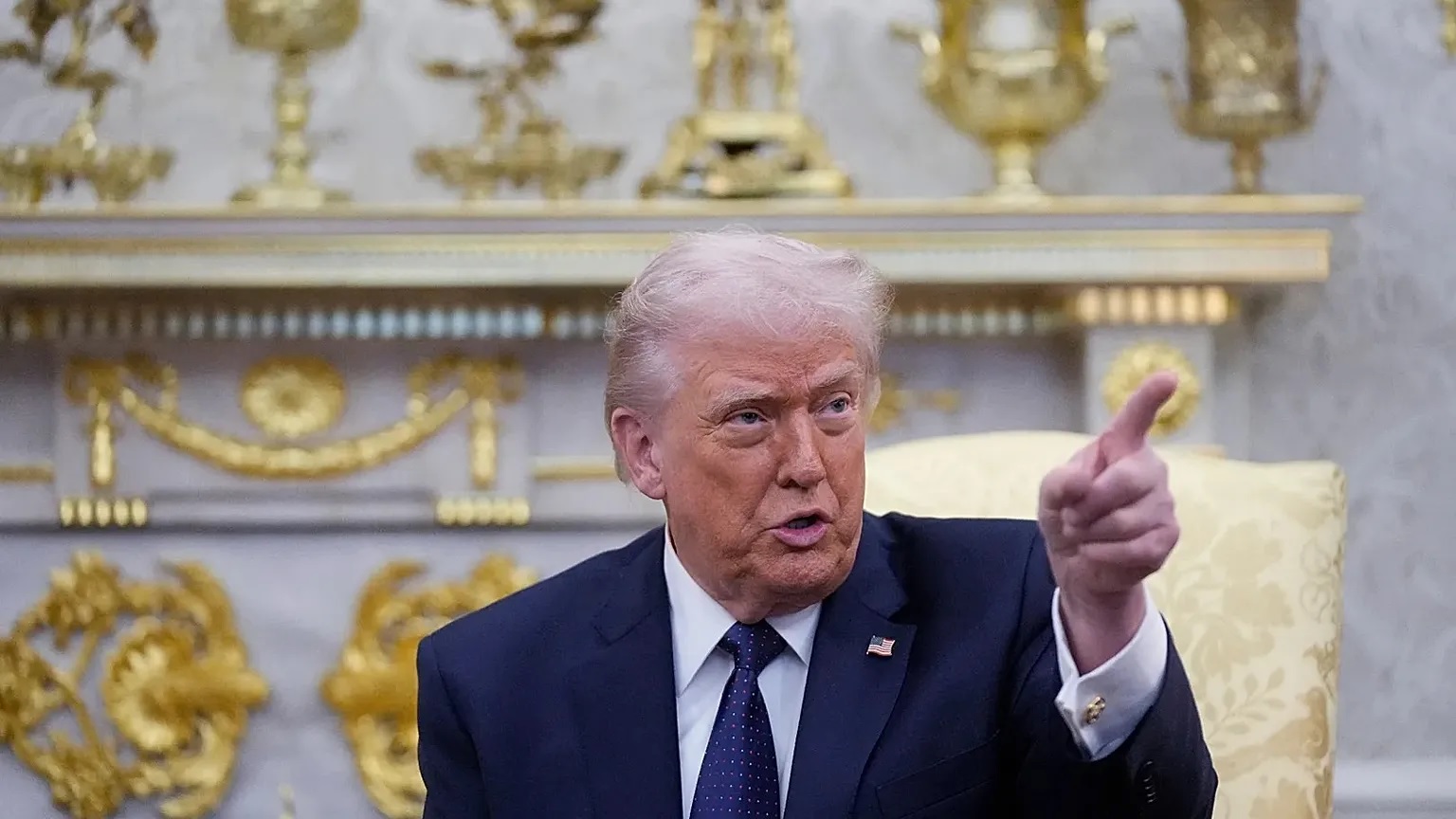
Oil prices rose more than 1% after U.S. President Donald Trump ordered what he called “a total and complete” blockade of all sanctioned oil tankers entering and leaving Venezuela. The move injected fresh geopolitical tension into a market that had been sliding toward multi-year lows, driven by concern about global demand and expectations of oversupply. Traders described the immediate move as sentiment-driven, with uncertainty about how the blockade would be implemented and how long any disruptions would last.
The rally came after oil had settled near five-year lows in the prior session, partly linked to progress in Russia-Ukraine peace talks that could eventually ease sanctions on Moscow and increase available supply. Against that backdrop, a sudden U.S. escalation around Venezuela added a new variable. Even if Venezuela accounts for only a small share of global production, its barrels can matter in specific corners of the market, particularly for heavier crude grades and for certain buyers.
In early trading, benchmark prices climbed as investors tried to price the risk of disruption and possible retaliation. But traders also signaled caution. Some suggested the jump might be short-lived and could become an opportunity for others to build short positions, especially if global demand remains soft and overall supply remains ample.
How big is Venezuela’s role in the market?
Analysts note that Venezuela produces roughly around 1% of global output, but its shipments are concentrated among a smaller set of buyers. China is a major destination, and Venezuelan crude is a measurable slice of China’s imports. That concentration means a disruption can hit particular refining systems more than it hits the global headline number.
Another complicating factor is the “sanctions market” itself. A large share of Venezuela-related shipping has been tied to sanctioned vessels and complex routing patterns. Traders watching this space say there is still ample supply among sanctioned crude streams, which could limit any sustained price spike. In other words, disruption does not automatically equal shortage if alternative barrels and routes remain available.
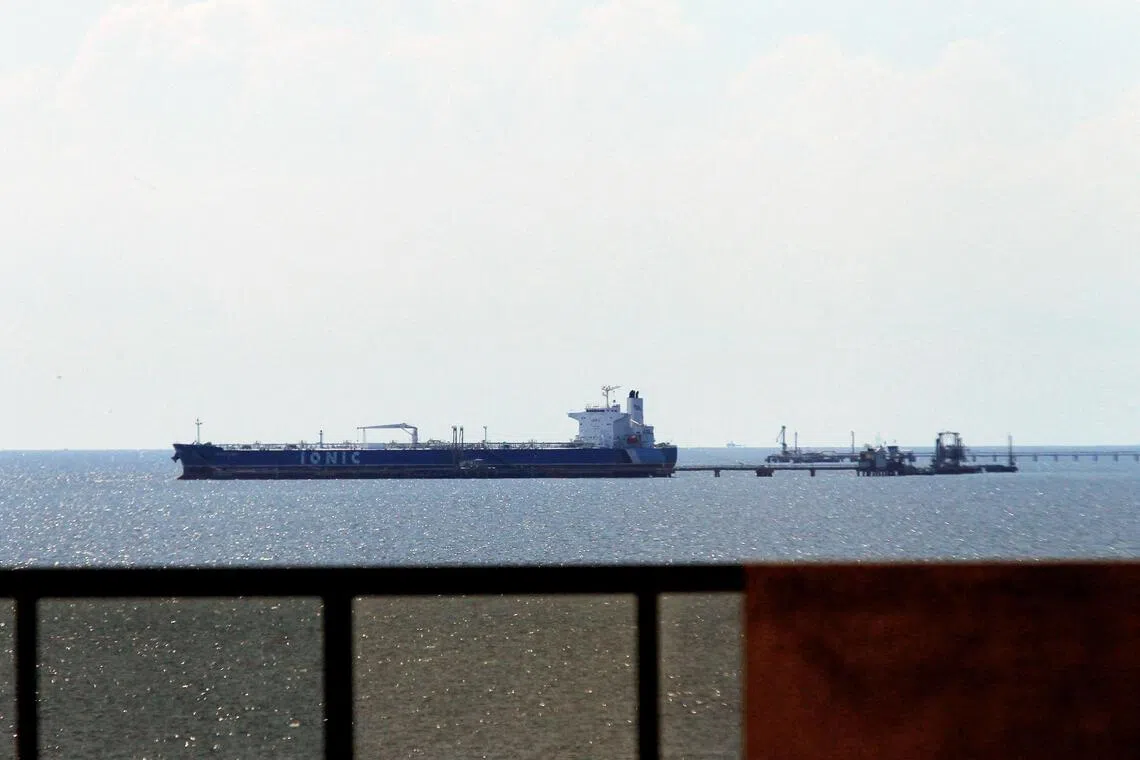
A further uncertainty is enforcement. Traders said it was unclear how many tankers would be affected, and what U.S. agencies would do in practice. The report noted recent U.S. actions in the region, including the seizure of a sanctioned tanker and the movement of warships. That context raises the risk of miscalculation even if the stated aim is economic pressure.
Chevron, exemptions, and the enforcement puzzle

Not every tanker touching Venezuelan oil is necessarily the same case. Some vessels transporting Venezuelan crude may be sanctioned, while others moving oil connected to Iran and Russia may not be. The report also noted that tankers chartered by Chevron have been carrying Venezuelan crude to the United States under a prior authorization from Washington.
That exception highlights the central question: is the blockade designed to halt flows entirely, or to restrict specific sanctioned ships and networks? The answer will shape how quickly exports change and whether buyers can adjust. If enforcement is narrow, markets may calm. If it becomes broader and longer, the effect could show up more clearly in heavy crude pricing and in the regional flows across the Americas.

For now, the market is treating the story as a warning flare. Oil is being pulled between two narratives: the possibility of increased supply if the Russia-Ukraine situation shifts, and the possibility of sudden supply interruptions if sanctions and blockades intensify elsewhere. Traders will watch for the practical details, not just the headline language.