5:46 pm, Monday, 22 December 2025

Europe Resists Pressure for Rapid Ukraine Peace Deal as War Nears Fourth Year

Sarakhon Report

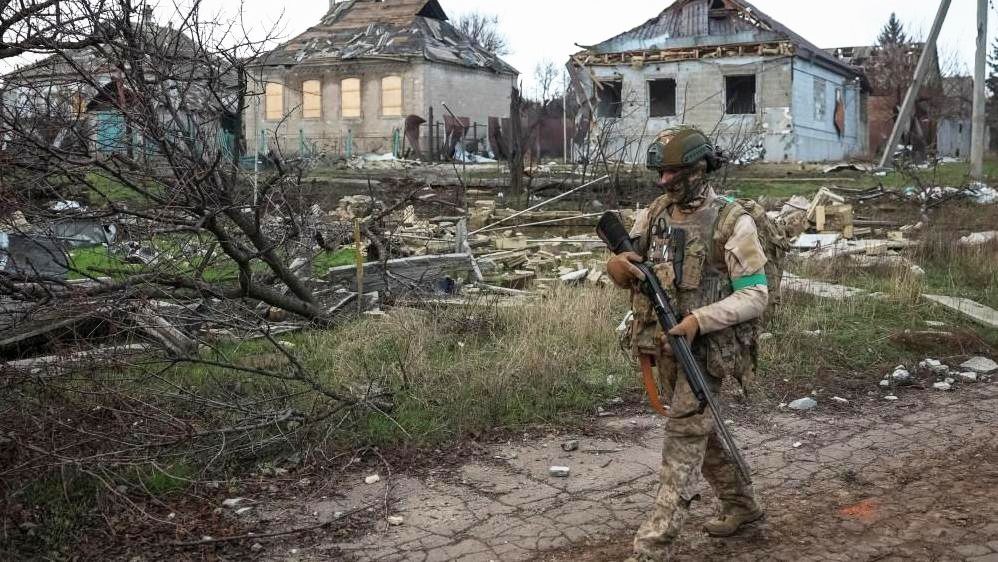
Western European governments are increasingly pushing back against calls for a rapid diplomatic settlement to the war in Ukraine, arguing that speed should not override security guarantees or Ukrainian consent. As the conflict approaches its fourth year, officials across the European Union say informal discussions about ceasefire frameworks have accelerated, driven by political calendars and mounting economic strain. Yet many capitals fear that a rushed deal could freeze the conflict on Moscow’s terms and undermine long-term regional stability.

European diplomats say the central concern is process rather than principle. While most governments support eventual negotiations, they insist Ukraine must remain the primary decision-maker. Several officials have expressed unease about parallel conversations among major powers that could marginalize Kyiv or present it with limited options after key decisions are already shaped. Past efforts that sidelined Ukrainian agency, they argue, failed to produce durable outcomes.

Ukraine and Beyond: Shaping Europe's Security Future | International Crisis  Group

Security officials in Germany and France have emphasized that any agreement must include enforceable guarantees rather than political assurances. Without clear mechanisms to deter renewed aggression, they warn, a ceasefire could simply provide Russia time to regroup. The experience of previous truces, which collapsed amid weak monitoring and enforcement, looms large in European strategic thinking.

Divisions are also emerging within NATO. Some members favor prioritizing de-escalation amid growing war fatigue, while others argue that Ukraine needs sustained military support to negotiate from a position of strength. Governments in Central and Eastern Europe have been particularly vocal, warning that territorial concessions would embolden future aggression beyond Ukraine.

Domestic political pressures are complicating the debate. Rising energy costs, fiscal tightening, and voter exhaustion are reshaping public opinion in several EU states. Lawmakers facing elections increasingly question the sustainability of open-ended military aid, even as they reaffirm support for Ukraine’s sovereignty. This tension between strategic commitments and domestic realities is driving calls for clearer endgame planning.

Ukraine, NATO, and War Termination | Council on Foreign Relations

Ukrainian leaders, meanwhile, continue to reject interim arrangements that defer core issues such as borders and accountability. Kyiv has reiterated that any settlement must include binding security commitments and respect internationally recognized boundaries. Officials argue that postponing these questions risks locking in instability rather than resolving it.

As diplomatic conversations intensify, European governments are attempting to balance urgency with caution. The prevailing view in many capitals is that peace achieved too quickly, without safeguards, could prove more dangerous than a longer path toward a negotiated settlement anchored in security and consent.

 

03:04:56 pm, Monday, 22 December 2025

Europe Resists Pressure for Rapid Ukraine Peace Deal as War Nears Fourth Year

03:04:56 pm, Monday, 22 December 2025

Western European governments are increasingly pushing back against calls for a rapid diplomatic settlement to the war in Ukraine, arguing that speed should not override security guarantees or Ukrainian consent. As the conflict approaches its fourth year, officials across the European Union say informal discussions about ceasefire frameworks have accelerated, driven by political calendars and mounting economic strain. Yet many capitals fear that a rushed deal could freeze the conflict on Moscow’s terms and undermine long-term regional stability.

European diplomats say the central concern is process rather than principle. While most governments support eventual negotiations, they insist Ukraine must remain the primary decision-maker. Several officials have expressed unease about parallel conversations among major powers that could marginalize Kyiv or present it with limited options after key decisions are already shaped. Past efforts that sidelined Ukrainian agency, they argue, failed to produce durable outcomes.

Ukraine and Beyond: Shaping Europe's Security Future | International Crisis  Group

Security officials in Germany and France have emphasized that any agreement must include enforceable guarantees rather than political assurances. Without clear mechanisms to deter renewed aggression, they warn, a ceasefire could simply provide Russia time to regroup. The experience of previous truces, which collapsed amid weak monitoring and enforcement, looms large in European strategic thinking.

Divisions are also emerging within NATO. Some members favor prioritizing de-escalation amid growing war fatigue, while others argue that Ukraine needs sustained military support to negotiate from a position of strength. Governments in Central and Eastern Europe have been particularly vocal, warning that territorial concessions would embolden future aggression beyond Ukraine.

Domestic political pressures are complicating the debate. Rising energy costs, fiscal tightening, and voter exhaustion are reshaping public opinion in several EU states. Lawmakers facing elections increasingly question the sustainability of open-ended military aid, even as they reaffirm support for Ukraine’s sovereignty. This tension between strategic commitments and domestic realities is driving calls for clearer endgame planning.

Ukraine, NATO, and War Termination | Council on Foreign Relations

Ukrainian leaders, meanwhile, continue to reject interim arrangements that defer core issues such as borders and accountability. Kyiv has reiterated that any settlement must include binding security commitments and respect internationally recognized boundaries. Officials argue that postponing these questions risks locking in instability rather than resolving it.

As diplomatic conversations intensify, European governments are attempting to balance urgency with caution. The prevailing view in many capitals is that peace achieved too quickly, without safeguards, could prove more dangerous than a longer path toward a negotiated settlement anchored in security and consent.