
5:46 pm, Monday, 22 December 2025

Global Shipping Faces New Climate Rules as Fuel Transition Accelerates

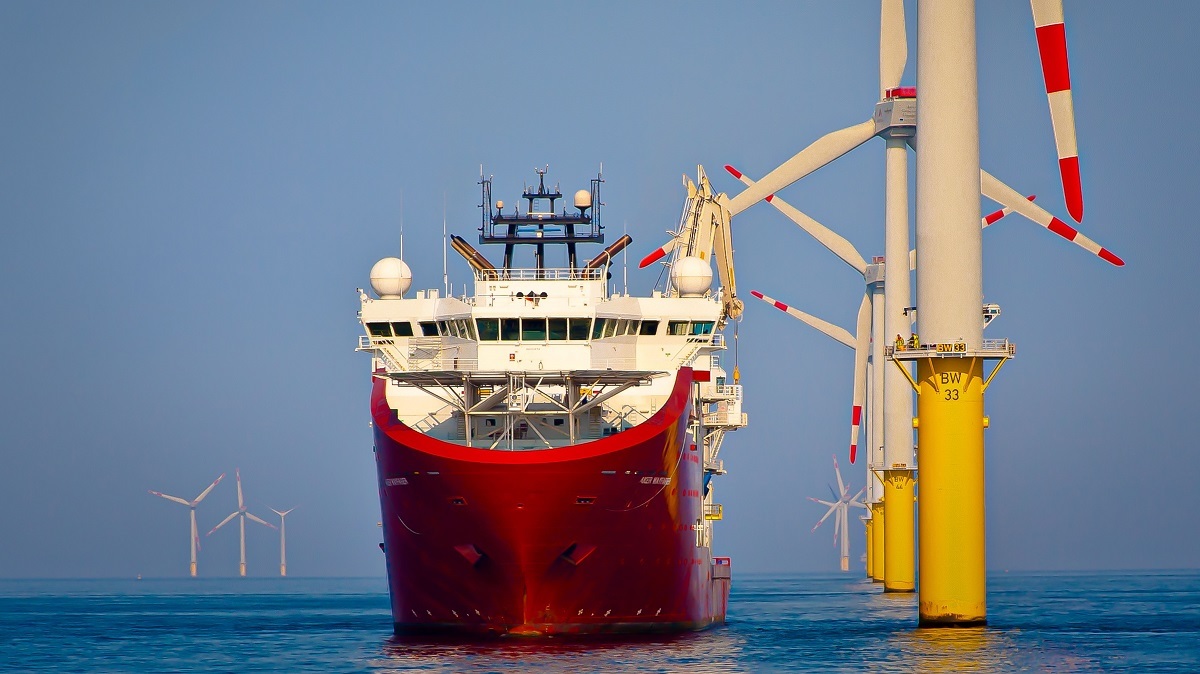
Sarakhon Report

International shipping is entering a decisive phase as new climate regulations begin reshaping how cargo moves across the world’s oceans. Governments and regulators are tightening emissions standards for vessels, forcing shipping companies to rethink fuel choices, fleet investment, and operating costs. The changes are designed to curb one of the most carbon-intensive sectors of global trade, but they are also raising concerns about higher prices and uneven impacts across regions.

Shipping accounts for a significant share of global greenhouse gas emissions, largely because most vessels rely on heavy fuel oil. Under new rules, operators will face stronger incentives and penalties to reduce emissions intensity over time. Compliance will increasingly be tied to fuel efficiency scores and carbon pricing mechanisms, pushing companies to adopt cleaner alternatives or pay more to operate.
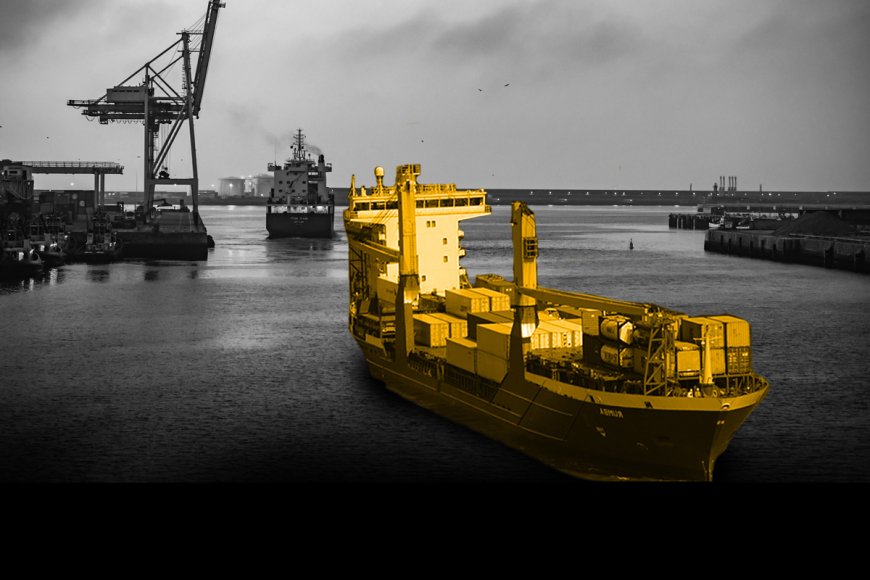
Navigating climate action: Assessing the economic impacts and trade-offs of  a shipping carbon tax for African states - APRI – Africa Policy Research  Institute

Major shipping firms are already experimenting with fuels such as green methanol, ammonia, and liquefied natural gas. While these options can significantly reduce emissions, they require costly retrofits or entirely new ships. Industry executives say the transition is technically feasible but financially demanding, especially for smaller operators with limited access to capital.

Ports and fuel suppliers are also under pressure to adapt. Alternative fuels require new storage, safety systems, and supply chains, many of which are still underdeveloped. Some ports in Europe and Asia have moved quickly to position themselves as clean-fuel hubs, while others risk falling behind if infrastructure investment lags.

Developing economies are watching the transition closely. Many rely heavily on maritime trade and worry that higher shipping costs could raise prices for food, fuel, and manufactured goods. Policymakers from these countries have called for financial support and flexible timelines to avoid widening global trade inequalities during the transition.

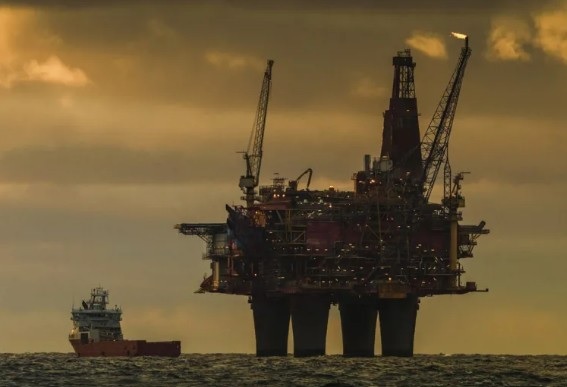
Shipping industry faces fuel dilemma in bid to cut emissions | Reuters

Environmental groups argue the rules do not go far enough, warning that incremental improvements may delay deeper cuts needed to align with climate targets. They urge regulators to set firmer deadlines for phasing out fossil fuels entirely and to ensure transparency in emissions reporting.

Despite the challenges, momentum toward cleaner shipping appears irreversible. Cargo owners, investors, and insurers are increasingly factoring climate risk into contracts and financing decisions. As regulations tighten, the shipping industry is being pushed toward a future where carbon efficiency becomes as important as speed and scale in global commerce.

 

03:27:18 pm, Monday, 22 December 2025

Global Shipping Faces New Climate Rules as Fuel Transition Accelerates

03:27:18 pm, Monday, 22 December 2025

International shipping is entering a decisive phase as new climate regulations begin reshaping how cargo moves across the world’s oceans. Governments and regulators are tightening emissions standards for vessels, forcing shipping companies to rethink fuel choices, fleet investment, and operating costs. The changes are designed to curb one of the most carbon-intensive sectors of global trade, but they are also raising concerns about higher prices and uneven impacts across regions.

Shipping accounts for a significant share of global greenhouse gas emissions, largely because most vessels rely on heavy fuel oil. Under new rules, operators will face stronger incentives and penalties to reduce emissions intensity over time. Compliance will increasingly be tied to fuel efficiency scores and carbon pricing mechanisms, pushing companies to adopt cleaner alternatives or pay more to operate.

Navigating climate action: Assessing the economic impacts and trade-offs of  a shipping carbon tax for African states - APRI – Africa Policy Research  Institute

Major shipping firms are already experimenting with fuels such as green methanol, ammonia, and liquefied natural gas. While these options can significantly reduce emissions, they require costly retrofits or entirely new ships. Industry executives say the transition is technically feasible but financially demanding, especially for smaller operators with limited access to capital.

Ports and fuel suppliers are also under pressure to adapt. Alternative fuels require new storage, safety systems, and supply chains, many of which are still underdeveloped. Some ports in Europe and Asia have moved quickly to position themselves as clean-fuel hubs, while others risk falling behind if infrastructure investment lags.

Developing economies are watching the transition closely. Many rely heavily on maritime trade and worry that higher shipping costs could raise prices for food, fuel, and manufactured goods. Policymakers from these countries have called for financial support and flexible timelines to avoid widening global trade inequalities during the transition.

Shipping industry faces fuel dilemma in bid to cut emissions | Reuters

Environmental groups argue the rules do not go far enough, warning that incremental improvements may delay deeper cuts needed to align with climate targets. They urge regulators to set firmer deadlines for phasing out fossil fuels entirely and to ensure transparency in emissions reporting.

Despite the challenges, momentum toward cleaner shipping appears irreversible. Cargo owners, investors, and insurers are increasingly factoring climate risk into contracts and financing decisions. As regulations tighten, the shipping industry is being pushed toward a future where carbon efficiency becomes as important as speed and scale in global commerce.