
Global Leaders Press for Gaza Truce as Humanitarian Access Tightens

Diplomacy under strain
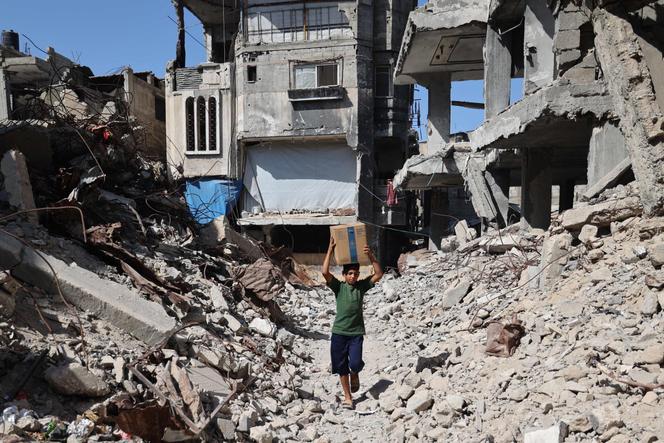
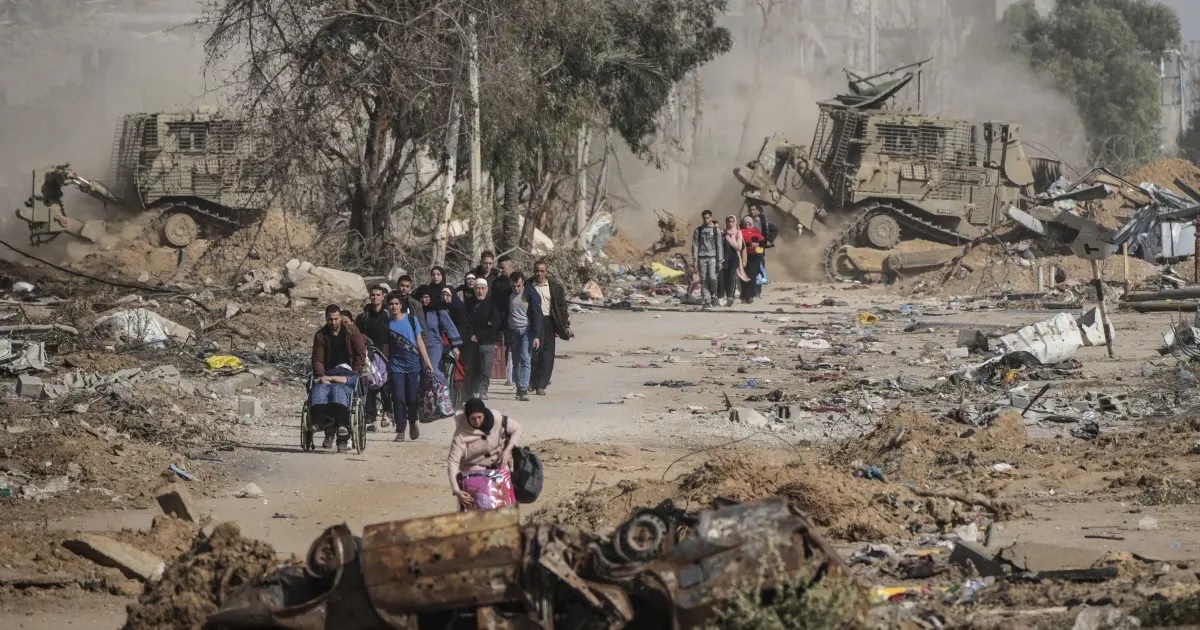
Diplomatic pressure intensified on December 25 as several governments renewed calls for a temporary ceasefire in Gaza, citing worsening humanitarian conditions and stalled negotiations. Aid agencies warned that access corridors remained unpredictable, limiting the delivery of food, fuel, and medical supplies. Officials said talks continued through intermediaries, but expectations for a breakthrough remained cautious. The day’s developments underscored how fragile the current diplomatic channels have become.
Regional actors stressed that even a short pause could help stabilize conditions for civilians displaced by weeks of fighting. Western governments echoed those concerns, urging all sides to comply with international humanitarian law. At the same time, security officials argued that ceasefire terms must address long-term risks, not just immediate relief. The competing priorities have slowed progress.

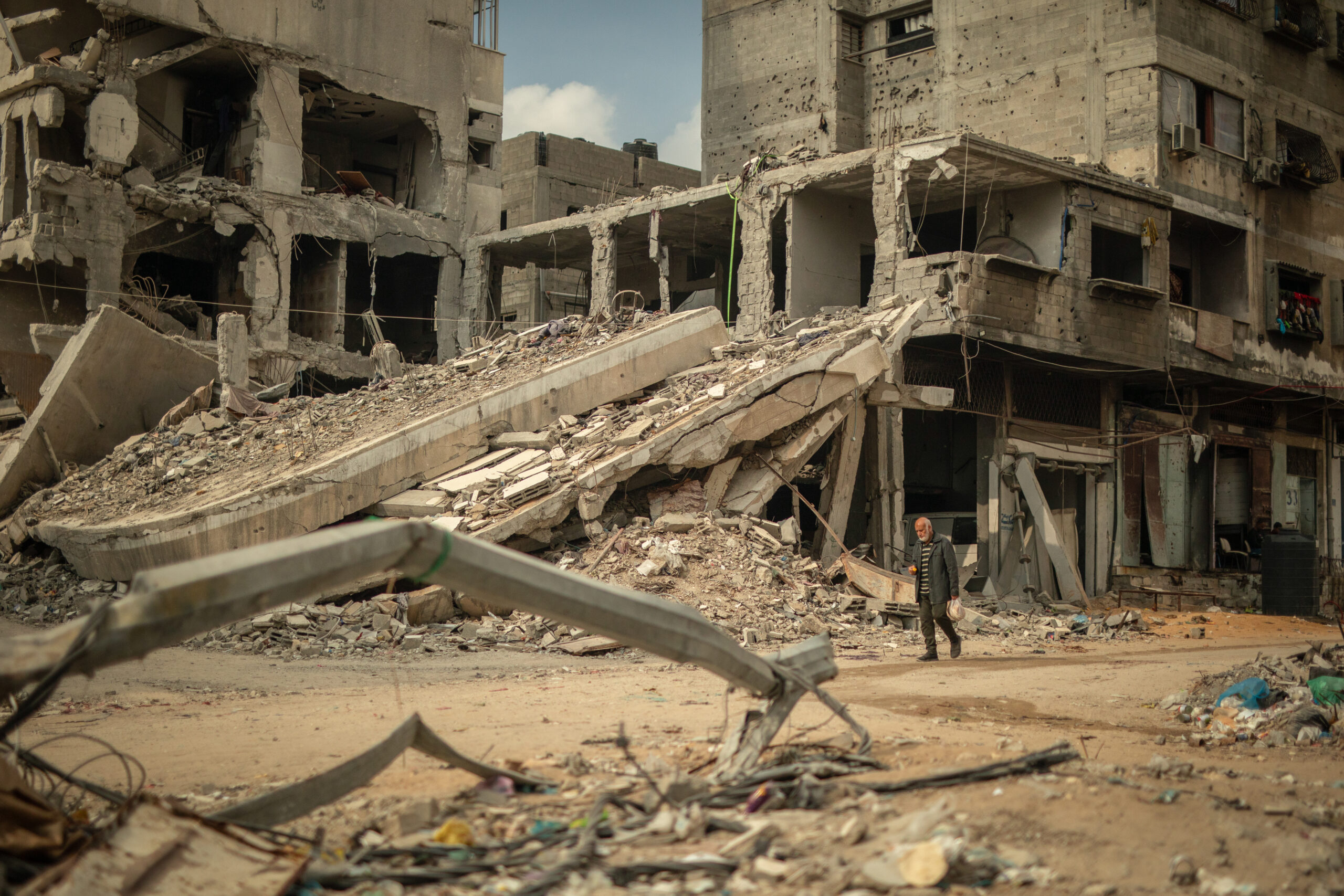
Humanitarian agencies operating near the border described overcrowded shelters and rising public health risks. Water shortages and limited electricity were reported as persistent problems, especially in densely populated areas. Aid groups said children and older people were bearing the brunt of disruptions. Several organizations renewed appeals for guaranteed access windows rather than ad-hoc permissions.
Diplomacy and pressure points
Negotiators focused on aligning regional stakeholders who hold influence over the parties involved. Diplomats said coordination was complicated by differing political calculations and domestic pressures. Some governments pushed for stronger language at the United Nations, while others preferred quiet diplomacy. The result has been a fragmented approach that critics say dilutes leverage.
Military officials from the region maintained that operations would continue unless concrete security guarantees were offered. They argued that past pauses had failed to prevent renewed violence. Analysts noted that this stance has hardened positions on both sides of the talks. Trust deficits remain deep.
Public opinion has also shaped the diplomatic environment. Protests in several capitals demanded stronger action to protect civilians, increasing pressure on elected leaders. Governments attempted to balance those demands with strategic alliances and security commitments. The tension between moral appeals and geopolitical realities was evident throughout the day.
Looking ahead, diplomats said the next 48 hours would be critical for assessing whether negotiations could yield limited humanitarian pauses. Aid agencies warned that delays would further strain already fragile systems. While no agreement was announced on December 25, officials emphasized that talks were ongoing. The situation remained fluid, with outcomes uncertain.