
Germany Warns of Prolonged Economic Stagnation as Export Orders Weaken

Slowing industry and fragile demand
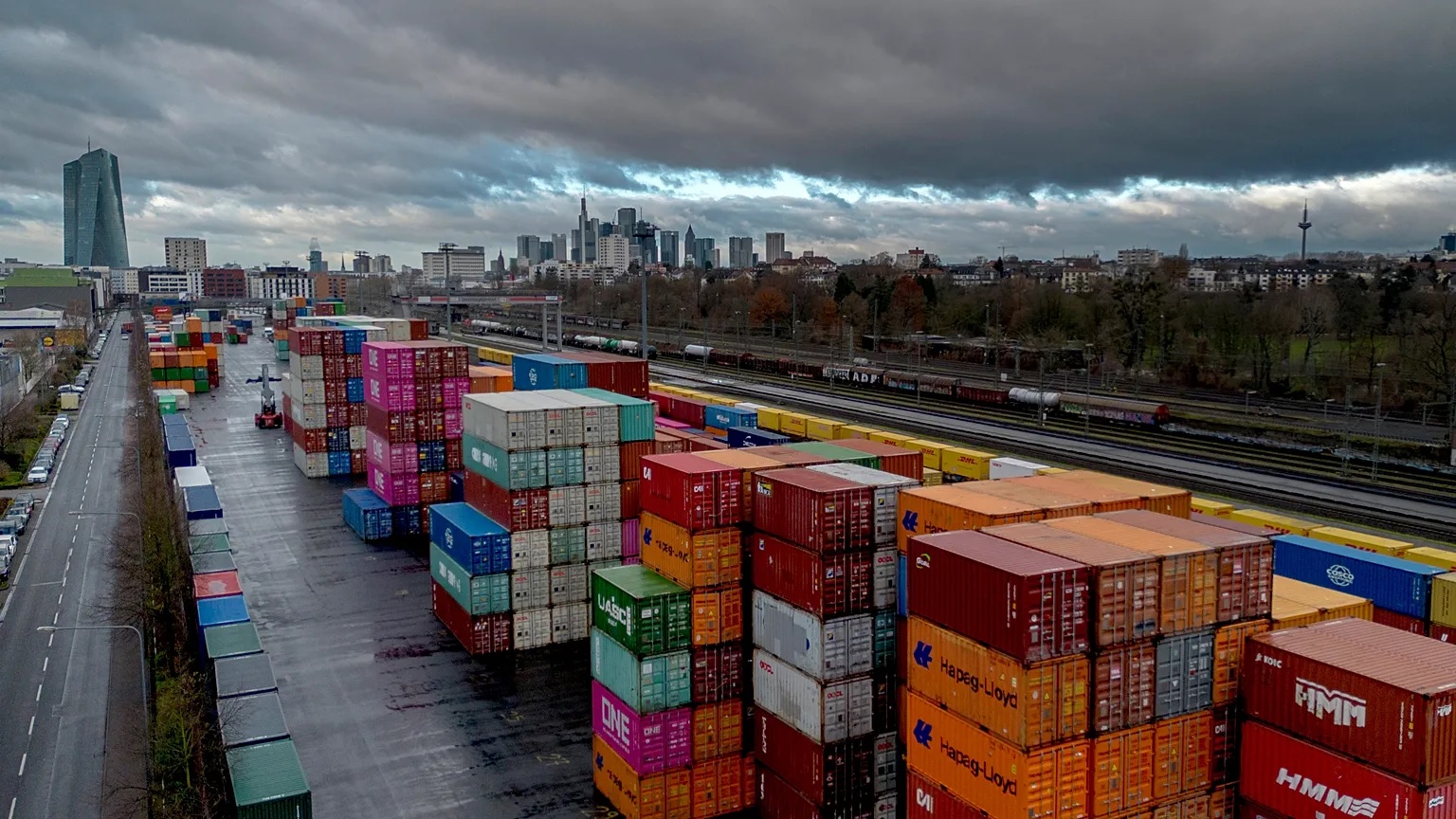
Germany’s economy ministry warned that Europe’s largest economy faces a prolonged period of weak growth as export orders continue to soften and domestic investment remains cautious. Recent data show manufacturing output struggling to regain momentum, with key sectors such as machinery and chemicals reporting thinner order books. Officials said the slowdown reflects both global demand uncertainty and structural pressures at home.
Exports have long been Germany’s growth engine, but tighter financial conditions, subdued Chinese demand, and geopolitical uncertainty have reduced appetite for big-ticket industrial goods. At the same time, firms are delaying capital spending, citing high energy costs and regulatory complexity. The ministry said these factors are combining to keep growth flat even as inflation pressures ease.

Policy debate over the path forward
The warning has intensified debate over Germany’s fiscal and industrial strategy. Business groups are calling for faster planning approvals, targeted tax relief, and clearer incentives for green and digital investment. Others argue that public investment must rise to modernize infrastructure and protect competitiveness, even if it means loosening fiscal constraints.
Government officials have pointed to recent measures aimed at stabilizing energy prices and supporting exporters, but acknowledge that results will take time. Analysts say confidence will hinge on whether firms see predictable policy signals around climate rules, energy supply, and labor availability. Without that clarity, hiring and investment decisions are likely to remain conservative.

Implications for Europe
Germany’s slowdown matters beyond its borders. Many European supply chains depend on German demand, and weaker activity can ripple through neighboring economies. Economists warn that if Germany fails to rebound, broader euro zone growth could undershoot expectations in early 2026. For now, the outlook remains cautious, with risks tilted to the downside unless global demand firms up.