10:06 pm, Friday, 2 January 2026

Ukraine Pushes for Expanded Air Defense as Winter Strikes Intensify

Sarakhon Report

Civilian infrastructure under renewed pressure

Ukraine’s leadership has renewed calls for expanded Western air defense support as Russian missile and drone strikes intensified during early January, targeting power grids and transport corridors across multiple regions. Officials said the attacks were aimed at stretching air defenses during winter, when electricity demand peaks and repair windows narrow. Emergency services reported rolling outages and localized damage but said critical systems remained operational.

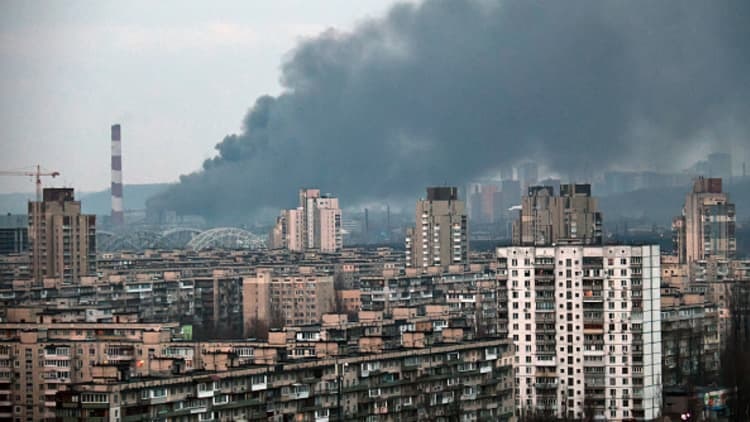
Russian Bombardment Kills at Least a Dozen People in Ukraine

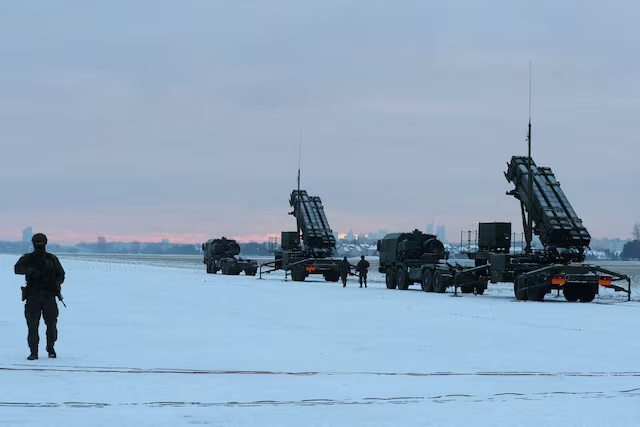
Government briefings emphasized that while interception rates remain high, the volume and mixed nature of attacks — combining drones, cruise missiles, and decoys — are testing response capacity. Kyiv has urged allies to accelerate deliveries of interceptors and radar systems already pledged, warning that delays could expose civilian infrastructure during prolonged cold spells.

Diplomatic channels remained active as Ukraine framed the request as a defensive necessity rather than escalation. European partners acknowledged the pressure, with several governments signaling internal reviews of stockpiles and production schedules.

Strategic signaling and alliance calculus

Analysts note that the timing of the strikes carries a strategic message, coinciding with renewed debates in Western capitals over military aid packages for 2026. By targeting infrastructure instead of front-line positions, Moscow appears to be seeking political leverage rather than territorial gains. Ukrainian officials countered that such tactics reinforce, rather than weaken, allied resolve.

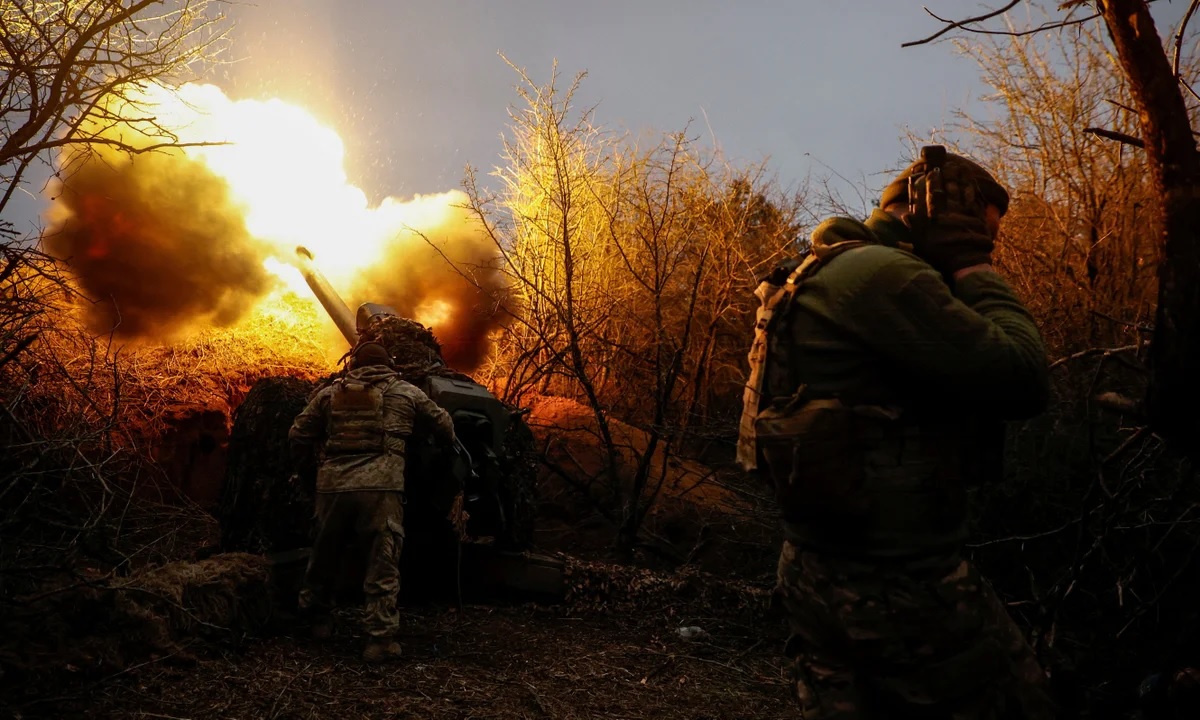
Ukraine approves plan to boost domestic arms production to counter Russia,  Zelenskyy says | PBS News

NATO officials reiterated that support commitments remain firm, though logistical constraints persist. Energy authorities in Ukraine said repair crews were pre-positioned and fuel reserves were being conserved to minimize disruption. As winter deepens, the balance between resilience and resource strain is expected to shape both battlefield dynamics and diplomatic negotiations in the coming weeks.


OPINION - NATO's 76th anniversary: What's the future of the alliance?


06:40:33 pm, Friday, 2 January 2026

Ukraine Pushes for Expanded Air Defense as Winter Strikes Intensify

06:40:33 pm, Friday, 2 January 2026

Civilian infrastructure under renewed pressure

Ukraine’s leadership has renewed calls for expanded Western air defense support as Russian missile and drone strikes intensified during early January, targeting power grids and transport corridors across multiple regions. Officials said the attacks were aimed at stretching air defenses during winter, when electricity demand peaks and repair windows narrow. Emergency services reported rolling outages and localized damage but said critical systems remained operational.

Russian Bombardment Kills at Least a Dozen People in Ukraine

Government briefings emphasized that while interception rates remain high, the volume and mixed nature of attacks — combining drones, cruise missiles, and decoys — are testing response capacity. Kyiv has urged allies to accelerate deliveries of interceptors and radar systems already pledged, warning that delays could expose civilian infrastructure during prolonged cold spells.

Diplomatic channels remained active as Ukraine framed the request as a defensive necessity rather than escalation. European partners acknowledged the pressure, with several governments signaling internal reviews of stockpiles and production schedules.

Strategic signaling and alliance calculus

Analysts note that the timing of the strikes carries a strategic message, coinciding with renewed debates in Western capitals over military aid packages for 2026. By targeting infrastructure instead of front-line positions, Moscow appears to be seeking political leverage rather than territorial gains. Ukrainian officials countered that such tactics reinforce, rather than weaken, allied resolve.

Ukraine approves plan to boost domestic arms production to counter Russia,  Zelenskyy says | PBS News

NATO officials reiterated that support commitments remain firm, though logistical constraints persist. Energy authorities in Ukraine said repair crews were pre-positioned and fuel reserves were being conserved to minimize disruption. As winter deepens, the balance between resilience and resource strain is expected to shape both battlefield dynamics and diplomatic negotiations in the coming weeks.

OPINION - NATO's 76th anniversary: What's the future of the alliance?