10:48 am, Monday, 5 January 2026

The Rohingya Crisis Ends 2025 Without an Ending

Safen Roy

The final days of 2025 passed without dramatic escalation in the Rohingya crisis. There were no new mass displacements across borders, no emergency summits, no sudden diplomatic initiatives. The year closed much as it unfolded—quietly, with the crisis intact, administered, and increasingly normalized by the systems built around it.

This absence of headlines is not incidental. It reflects a deeper condition. The Rohingya situation has settled into a prolonged phase of political and humanitarian stasis, where movement has slowed, visibility has thinned, and resolution remains structurally distant.

Elections Without the Excluded

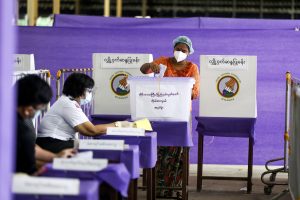
As Myanmar moved forward with tightly managed national elections, one population remained entirely outside the process: the Rohingya.

The vote proceeded without their participation, without recognition of citizenship, and without substantive debate about their future. For Rohingya communities in exile, the elections did not represent a turning point but a consolidation of exclusion—a signal that political time in Myanmar continues to advance without accounting for those forced out of the state.

Years after mass displacement, Rohingya voices remain absent from the country’s legal and electoral framework. The election cycle did not reopen pathways to return or rights. It reinforced the boundaries already in place. Increasingly, this institutional omission—rather than episodic repression—defines the political reality of the crisis.
A Border That No Longer Moves

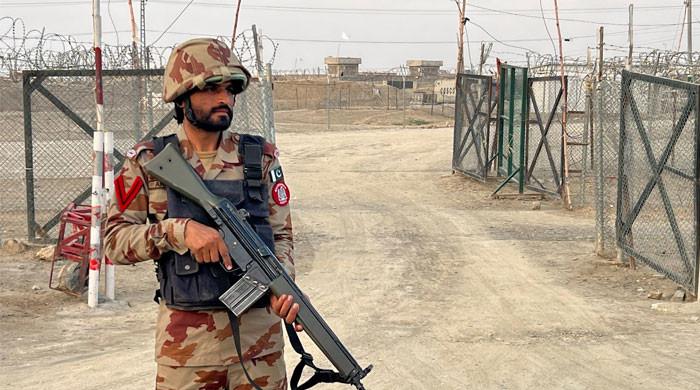
Along Myanmar’s western frontier, the security landscape has shifted without stabilizing. The earlier consolidation of control by the Arakan Army across large areas of northern Rakhine State, including zones adjacent to Bangladesh, continues to shape cross-border conditions.

In recent days, no verified reports indicated new offensives directly affecting Rohingya populations or triggering fresh refugee flows. Yet the absence of activity does not imply safety. It reflects a hardened status quo in which armed control, restricted movement, and uncertainty coexist without producing immediate shocks.

The border itself has become static—heavily monitored, politically sensitive, and resistant to change. For Bangladesh, this has meant prolonged responsibility without a credible exit strategy. For the Rohingya, it has meant that return remains theoretical rather than operational.

Life Inside a Permanent Camp System

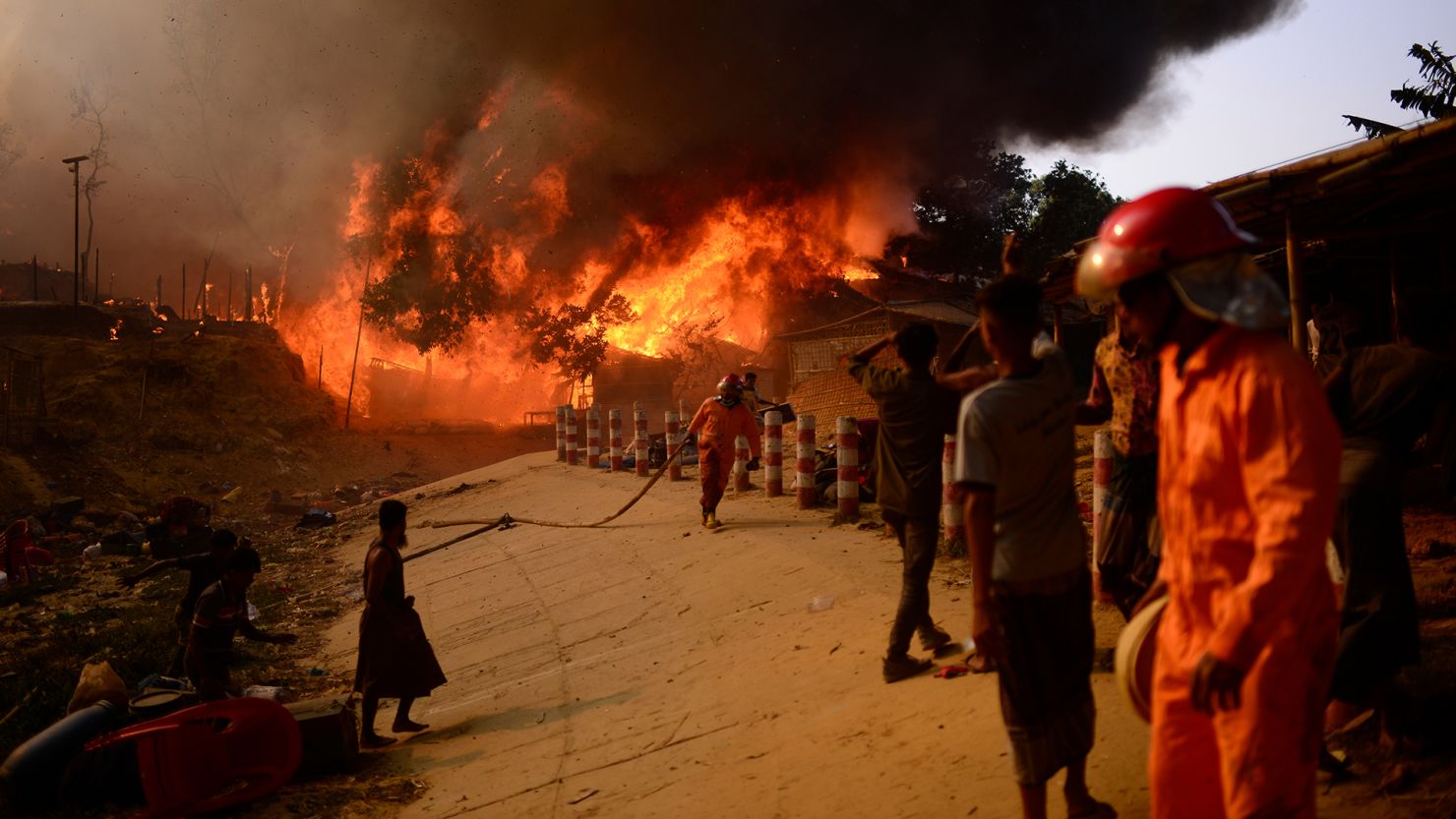
Inside the refugee settlements of Cox’s Bazar, daily life continues under conditions once described as temporary. Recent fires damaged shelters and a health facility, again exposing the fragility of infrastructure built from bamboo and tarpaulin.

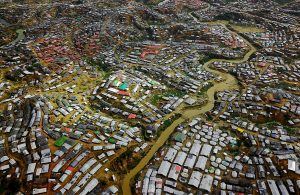
Such incidents are not anomalies. They are products of density, exposure, and prolonged displacement. With close to a million people compressed into limited terrain, the camps function less like emergency shelters and more like an unplanned city—one without durable construction, economic integration, or long-term planning authority.

Humanitarian agencies continue to provide essential services, but funding constraints remain persistent. Food rations, health care, and education operate under continuous financial pressure, shaped by donor priorities far removed from camp realities.

Aid Without Momentum

In the final week of the year, no major new funding commitments were announced. This, too, has become routine.

International agencies increasingly sustain operations through short-term extensions rather than multi-year commitments. The system is calibrated to preserve minimum viability—to prevent collapse, not to enable progress. Services continue, but trajectories do not change.

For host communities in Bangladesh, this prolonged arrangement has produced quiet strain. For refugees, it has entrenched uncertainty. The crisis is neither escalating nor resolving; it is being maintained at a level designed to avoid catastrophe while deferring solutions.
A Crisis That Persists by Design

As 2025 ends, the Rohingya crisis stands as one of the world’s most enduring displacement situations—not because it remains unsolved, but because it has been absorbed into regional and international routines.

Myanmar continues political processes that exclude Rohingya participation. Bangladesh continues hosting one of the largest refugee populations in the world with limited diplomatic leverage to alter the balance. International actors continue funding humanitarian needs while avoiding the political costs of enforcement.

Nothing collapsed this year. Nothing advanced either.

The absence of dramatic news is often read as stability. In reality, it reflects endurance—a crisis sustained not by sudden violence, but by long-term inertia. As the calendar turns, the Rohingya remain where they have been for years: displaced, managed, and waiting, while the world quietly moves on.
08:42:45 pm, Saturday, 3 January 2026

The Rohingya Crisis Ends 2025 Without an Ending

08:42:45 pm, Saturday, 3 January 2026

The final days of 2025 passed without dramatic escalation in the Rohingya crisis. There were no new mass displacements across borders, no emergency summits, no sudden diplomatic initiatives. The year closed much as it unfolded—quietly, with the crisis intact, administered, and increasingly normalized by the systems built around it.

This absence of headlines is not incidental. It reflects a deeper condition. The Rohingya situation has settled into a prolonged phase of political and humanitarian stasis, where movement has slowed, visibility has thinned, and resolution remains structurally distant.

Elections Without the Excluded

As Myanmar moved forward with tightly managed national elections, one population remained entirely outside the process: the Rohingya.

The vote proceeded without their participation, without recognition of citizenship, and without substantive debate about their future. For Rohingya communities in exile, the elections did not represent a turning point but a consolidation of exclusion—a signal that political time in Myanmar continues to advance without accounting for those forced out of the state.

Years after mass displacement, Rohingya voices remain absent from the country’s legal and electoral framework. The election cycle did not reopen pathways to return or rights. It reinforced the boundaries already in place. Increasingly, this institutional omission—rather than episodic repression—defines the political reality of the crisis.

A Border That No Longer Moves

Along Myanmar’s western frontier, the security landscape has shifted without stabilizing. The earlier consolidation of control by the Arakan Army across large areas of northern Rakhine State, including zones adjacent to Bangladesh, continues to shape cross-border conditions.

In recent days, no verified reports indicated new offensives directly affecting Rohingya populations or triggering fresh refugee flows. Yet the absence of activity does not imply safety. It reflects a hardened status quo in which armed control, restricted movement, and uncertainty coexist without producing immediate shocks.

The border itself has become static—heavily monitored, politically sensitive, and resistant to change. For Bangladesh, this has meant prolonged responsibility without a credible exit strategy. For the Rohingya, it has meant that return remains theoretical rather than operational.

Life Inside a Permanent Camp System

Inside the refugee settlements of Cox’s Bazar, daily life continues under conditions once described as temporary. Recent fires damaged shelters and a health facility, again exposing the fragility of infrastructure built from bamboo and tarpaulin.

Such incidents are not anomalies. They are products of density, exposure, and prolonged displacement. With close to a million people compressed into limited terrain, the camps function less like emergency shelters and more like an unplanned city—one without durable construction, economic integration, or long-term planning authority.

Humanitarian agencies continue to provide essential services, but funding constraints remain persistent. Food rations, health care, and education operate under continuous financial pressure, shaped by donor priorities far removed from camp realities.

Aid Without Momentum

In the final week of the year, no major new funding commitments were announced. This, too, has become routine.

International agencies increasingly sustain operations through short-term extensions rather than multi-year commitments. The system is calibrated to preserve minimum viability—to prevent collapse, not to enable progress. Services continue, but trajectories do not change.

For host communities in Bangladesh, this prolonged arrangement has produced quiet strain. For refugees, it has entrenched uncertainty. The crisis is neither escalating nor resolving; it is being maintained at a level designed to avoid catastrophe while deferring solutions.

A Crisis That Persists by Design

As 2025 ends, the Rohingya crisis stands as one of the world’s most enduring displacement situations—not because it remains unsolved, but because it has been absorbed into regional and international routines.

Myanmar continues political processes that exclude Rohingya participation. Bangladesh continues hosting one of the largest refugee populations in the world with limited diplomatic leverage to alter the balance. International actors continue funding humanitarian needs while avoiding the political costs of enforcement.

Nothing collapsed this year. Nothing advanced either.

The absence of dramatic news is often read as stability. In reality, it reflects endurance—a crisis sustained not by sudden violence, but by long-term inertia. As the calendar turns, the Rohingya remain where they have been for years: displaced, managed, and waiting, while the world quietly moves on.