7:46 am, Saturday, 10 January 2026

Russia unleashes new hypersonic missile in massive strike on Ukraine

Sarakhon Report

Deadly barrage underscores Russia’s evolving tactics

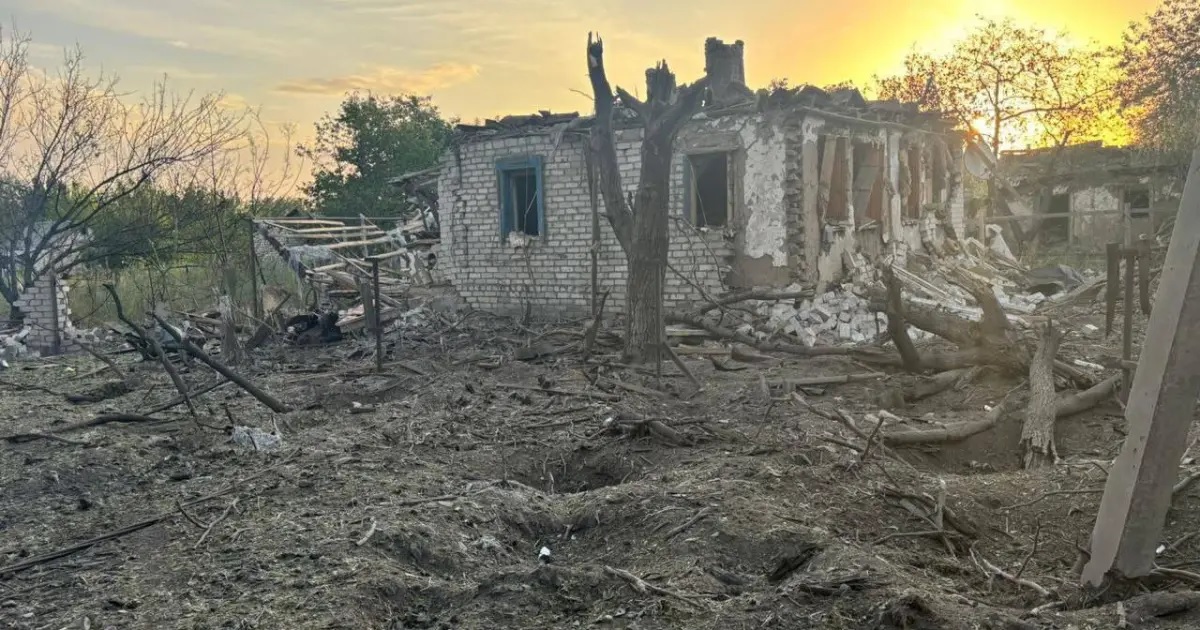
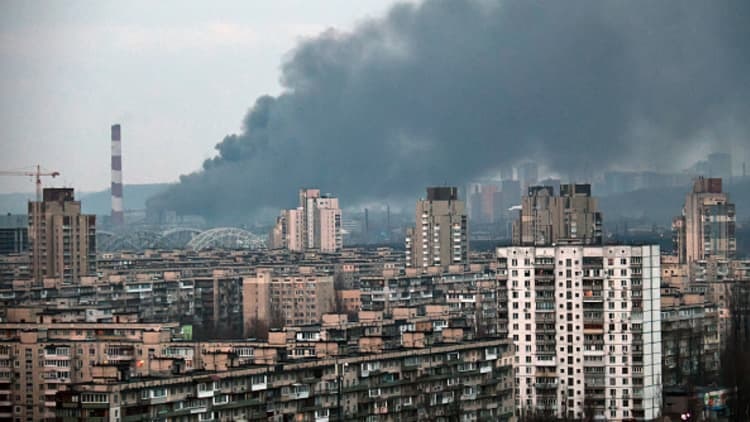
In a chilling escalation of its nearly four‑year invasion, Russia launched the most intense aerial assault on Ukraine in recent months, firing over a hundred drones and dozens of missiles, including its rare Oreshnik hypersonic ballistic missile. Ukrainian officials said apartment blocks in Kyiv were devastated, with at least four people killed and dozens injured as rescue crews pulled survivors from burning rubble. Air raid sirens wailed across the country as missiles streaked through the night sky, puncturing the relative calm that had settled after weeks of diplomatic talks. The sheer volume of projectiles overwhelmed air defences, forcing residents to shelter in cold basements for hours.

Military analysts noted that this was only the second recorded use of the nuclear‑capable Oreshnik since the war began. Russia claims the weapon can travel at roughly ten times the speed of sound and carry multiple warheads, making it nearly impossible to intercept. In November 2024, an Oreshnik strike hit the city of Dnipro. Ukrainian intelligence believes each missile carries six independent warheads, each armed with six smaller submunitions, allowing it to spread destruction over a wide area. The fearsome technology has become a psychological weapon as much as a physical one, reminding Ukrainians that Moscow retains an arsenal of sophisticated missiles.

Russia fires hypersonic missiles and exploding drones in massive barrage  against Ukraine - ABC News

Diplomatic stakes and implications for peace and security

Russia’s defence ministry portrayed the attack as retaliation for what it said was a Ukrainian drone strike on President Vladimir Putin’s residence—an allegation denied by both Kyiv and Washington. Foreign Minister Dmytro Kuleba called the claim a provocation designed to justify further aggression. He urged the United Nations Security Council and the Ukraine‑NATO Council to convene emergency sessions, warning that the use of a hypersonic missile so close to European Union borders threatened the continent’s security. Qatar’s embassy in Kyiv was damaged during the strike, an incident that drew condemnation from Doha and underscored the risk of diplomatic fallout.

Across western Ukraine, residents in the Lviv region reported massive explosions near a suspected underground gas storage facility. While Moscow offered no details, Russian military bloggers suggested the Oreshnik targeted that site to cripple Ukraine’s energy infrastructure during winter. If confirmed, the attack would mark a new phase in Russia’s attempt to undermine the country’s economy and morale. Kyiv Mayor Vitali Klitschko warned that Russia might be exploiting icy conditions and power shortages to inflict maximum disruption. The assault also cut electricity and water supplies in parts of the capital, leaving thousands of families struggling to stay warm.

Russia launches massive air attack on Ukraine's energy infrastructure - ABC  News

Internationally, the strike heightened pressure on Ukraine’s allies to strengthen air defences. President Volodymyr Zelenskyy renewed his appeal for modern missile systems, arguing that the attack exposed dangerous gaps in Ukraine’s shield. U.S. and European officials expressed solidarity but stopped short of announcing new aid, wary of further escalating tensions. Russia’s show of force came days after reports of progress in back‑channel peace talks, raising doubts about Moscow’s willingness to compromise. Observers fear that the Kremlin’s decision to deploy a hypersonic missile signals a hardening position that could derail diplomatic efforts for months.

For ordinary Ukrainians, the latest attack was yet another trauma in a war that has already claimed tens of thousands of lives. Residents described racing down stairwells as explosions shook their buildings and shrapnel shattered windows. One Kyiv man said he and his neighbours helped each other evacuate while fires raged nearby, vowing to stay and rebuild despite the danger. The resilience of civilians in the face of such advanced weaponry highlights both the human cost and the spirit of defiance driving Ukraine’s resistance. As winter deepens, the conflict shows no sign of abating, and the risk of wider escalation grows with each new missile launch.


Kyiv children hospital hit as Russia fires barrage of missiles on Ukraine


05:07:23 pm, Friday, 9 January 2026

Russia unleashes new hypersonic missile in massive strike on Ukraine

05:07:23 pm, Friday, 9 January 2026

Deadly barrage underscores Russia’s evolving tactics

In a chilling escalation of its nearly four‑year invasion, Russia launched the most intense aerial assault on Ukraine in recent months, firing over a hundred drones and dozens of missiles, including its rare Oreshnik hypersonic ballistic missile. Ukrainian officials said apartment blocks in Kyiv were devastated, with at least four people killed and dozens injured as rescue crews pulled survivors from burning rubble. Air raid sirens wailed across the country as missiles streaked through the night sky, puncturing the relative calm that had settled after weeks of diplomatic talks. The sheer volume of projectiles overwhelmed air defences, forcing residents to shelter in cold basements for hours.

Military analysts noted that this was only the second recorded use of the nuclear‑capable Oreshnik since the war began. Russia claims the weapon can travel at roughly ten times the speed of sound and carry multiple warheads, making it nearly impossible to intercept. In November 2024, an Oreshnik strike hit the city of Dnipro. Ukrainian intelligence believes each missile carries six independent warheads, each armed with six smaller submunitions, allowing it to spread destruction over a wide area. The fearsome technology has become a psychological weapon as much as a physical one, reminding Ukrainians that Moscow retains an arsenal of sophisticated missiles.

Russia fires hypersonic missiles and exploding drones in massive barrage  against Ukraine - ABC News

Diplomatic stakes and implications for peace and security

Russia’s defence ministry portrayed the attack as retaliation for what it said was a Ukrainian drone strike on President Vladimir Putin’s residence—an allegation denied by both Kyiv and Washington. Foreign Minister Dmytro Kuleba called the claim a provocation designed to justify further aggression. He urged the United Nations Security Council and the Ukraine‑NATO Council to convene emergency sessions, warning that the use of a hypersonic missile so close to European Union borders threatened the continent’s security. Qatar’s embassy in Kyiv was damaged during the strike, an incident that drew condemnation from Doha and underscored the risk of diplomatic fallout.

Across western Ukraine, residents in the Lviv region reported massive explosions near a suspected underground gas storage facility. While Moscow offered no details, Russian military bloggers suggested the Oreshnik targeted that site to cripple Ukraine’s energy infrastructure during winter. If confirmed, the attack would mark a new phase in Russia’s attempt to undermine the country’s economy and morale. Kyiv Mayor Vitali Klitschko warned that Russia might be exploiting icy conditions and power shortages to inflict maximum disruption. The assault also cut electricity and water supplies in parts of the capital, leaving thousands of families struggling to stay warm.

Russia launches massive air attack on Ukraine's energy infrastructure - ABC  News

Internationally, the strike heightened pressure on Ukraine’s allies to strengthen air defences. President Volodymyr Zelenskyy renewed his appeal for modern missile systems, arguing that the attack exposed dangerous gaps in Ukraine’s shield. U.S. and European officials expressed solidarity but stopped short of announcing new aid, wary of further escalating tensions. Russia’s show of force came days after reports of progress in back‑channel peace talks, raising doubts about Moscow’s willingness to compromise. Observers fear that the Kremlin’s decision to deploy a hypersonic missile signals a hardening position that could derail diplomatic efforts for months.

For ordinary Ukrainians, the latest attack was yet another trauma in a war that has already claimed tens of thousands of lives. Residents described racing down stairwells as explosions shook their buildings and shrapnel shattered windows. One Kyiv man said he and his neighbours helped each other evacuate while fires raged nearby, vowing to stay and rebuild despite the danger. The resilience of civilians in the face of such advanced weaponry highlights both the human cost and the spirit of defiance driving Ukraine’s resistance. As winter deepens, the conflict shows no sign of abating, and the risk of wider escalation grows with each new missile launch.

Kyiv children hospital hit as Russia fires barrage of missiles on Ukraine