10:33 pm, Wednesday, 14 January 2026

Scientists find lingering toxins after Los Angeles wildfires

Sarakhon Report

Hidden health risks emerge in wildfire aftermath
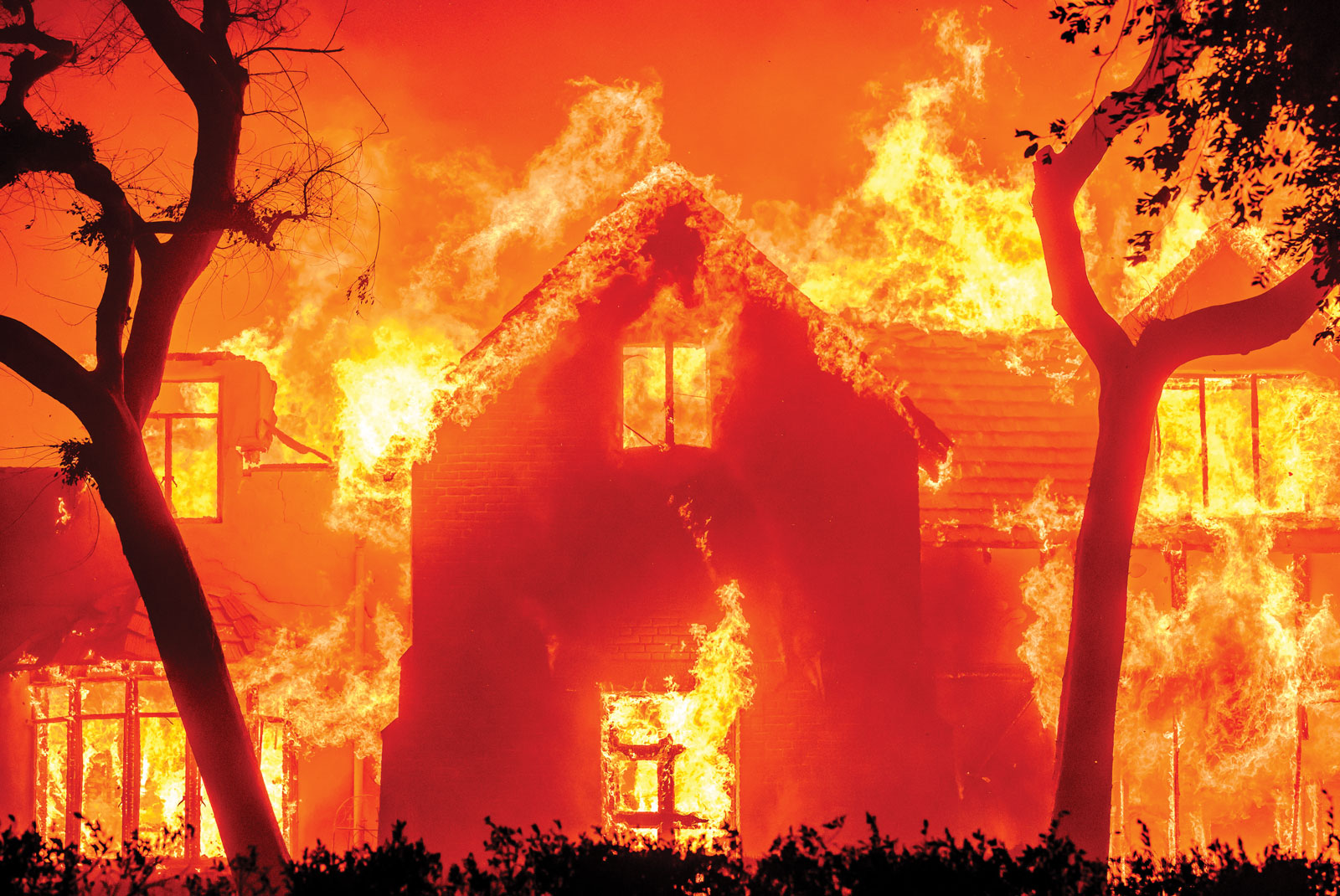
One year after wildfires ravaged hillside communities northwest of Los Angeles, scientists are uncovering an unsettling legacy: toxic metals and chemicals persist long after the flames die down. In January 2025, fires in the Pacific Palisades and Altadena destroyed homes, vehicles and vegetation, shrouding nearly 20 million residents in thick smoke. With little official information available, researchers from ten universities and hospitals formed a consortium to study the event. They quickly set up air monitors across the city to identify what was burning. Wildfire smoke is known to worsen asthma and heart disease, but the Palisades and Eaton blazes consumed plastics, car batteries and asbestos‑laden building materials. Downtown Los Angeles monitors showed elevated levels of lead and arsenic. Teams from Caltech and Georgia Tech confirmed high concentrations even miles from the fires and suspect other toxins spread undetected because standard sensors do not test for them.

Environmental health scientist Yifang Zhu had planned to monitor a natural gas leak at Aliso Canyon but pivoted to the wildfires. She called the smoke a “toxic soup.” Testing detected benzene—a carcinogen—at dangerous levels while fires burned. Although benzene levels fell after the flames were out, other gases like toluene and carbon tetrachloride accumulated inside homes over subsequent weeks. Porous materials such as drywall and furniture absorb chemicals and release them slowly, exposing residents long after evacuation orders end. Another research team looked for hexavalent chromium, an industrial pollutant linked to cancer and best known from the film “Erin Brockovich.” They found traces months later at cleanup sites, suggesting that wildfires can unleash contaminants typically associated with factories.

Long-term health impacts from LA wildfires are just becoming clear : NPR

Implications for public health and preparedness
Understanding these lingering toxins is not simply an academic exercise. Communities need accurate information to guide recovery and decide when it is safe to return home. Long‑term exposure to wildfire smoke has been linked to cognitive decline, cardiovascular problems and even dementia. Now residents also worry about heavy metals settling on playgrounds, gardens and water supplies. Consortium co‑leader David Eisenman of UCLA says part of the recovery process is learning from this disaster to improve responses to future fires.

Health officials have urged residents to use high‑efficiency particulate air filters indoors, wet‑clean surfaces to reduce dust and seek medical advice if respiratory symptoms persist. Yet many questions remain: what levels of lead or arsenic in soil are safe? How should contaminated furniture be cleaned or replaced? How long should people wait before returning to evacuated homes? Researchers hope to answer these by combining air, soil and blood samples with health surveys. Early studies suggest many people experienced biochemical changes after exposure, but the long‑term consequences are still unknown.

Funding for such work is uncertain, as the fires occurred just as federal agencies signalled budget cuts. Scientists worry that without sustained support, lessons could be lost. Nonetheless, the consortium’s findings have already spurred action. Los Angeles County is considering expanding its air‑monitoring network and revising cleanup guidelines.

As climate change fuels more frequent and severe fires, experts warn that urban areas must prepare for lingering contamination. Zhu stresses that “the fire’s impact doesn’t disappear with the flames.” She advocates installing sensors capable of detecting heavy metals and developing health protocols for residents returning home. Understanding what lurks in the air and soil after a wildfire will help communities protect themselves as extreme events become more common.


08:36:21 pm, Wednesday, 14 January 2026

Scientists find lingering toxins after Los Angeles wildfires

08:36:21 pm, Wednesday, 14 January 2026

Hidden health risks emerge in wildfire aftermath
One year after wildfires ravaged hillside communities northwest of Los Angeles, scientists are uncovering an unsettling legacy: toxic metals and chemicals persist long after the flames die down. In January 2025, fires in the Pacific Palisades and Altadena destroyed homes, vehicles and vegetation, shrouding nearly 20 million residents in thick smoke. With little official information available, researchers from ten universities and hospitals formed a consortium to study the event. They quickly set up air monitors across the city to identify what was burning. Wildfire smoke is known to worsen asthma and heart disease, but the Palisades and Eaton blazes consumed plastics, car batteries and asbestos‑laden building materials. Downtown Los Angeles monitors showed elevated levels of lead and arsenic. Teams from Caltech and Georgia Tech confirmed high concentrations even miles from the fires and suspect other toxins spread undetected because standard sensors do not test for them.

Environmental health scientist Yifang Zhu had planned to monitor a natural gas leak at Aliso Canyon but pivoted to the wildfires. She called the smoke a “toxic soup.” Testing detected benzene—a carcinogen—at dangerous levels while fires burned. Although benzene levels fell after the flames were out, other gases like toluene and carbon tetrachloride accumulated inside homes over subsequent weeks. Porous materials such as drywall and furniture absorb chemicals and release them slowly, exposing residents long after evacuation orders end. Another research team looked for hexavalent chromium, an industrial pollutant linked to cancer and best known from the film “Erin Brockovich.” They found traces months later at cleanup sites, suggesting that wildfires can unleash contaminants typically associated with factories.

Long-term health impacts from LA wildfires are just becoming clear : NPR

Implications for public health and preparedness
Understanding these lingering toxins is not simply an academic exercise. Communities need accurate information to guide recovery and decide when it is safe to return home. Long‑term exposure to wildfire smoke has been linked to cognitive decline, cardiovascular problems and even dementia. Now residents also worry about heavy metals settling on playgrounds, gardens and water supplies. Consortium co‑leader David Eisenman of UCLA says part of the recovery process is learning from this disaster to improve responses to future fires.

Health officials have urged residents to use high‑efficiency particulate air filters indoors, wet‑clean surfaces to reduce dust and seek medical advice if respiratory symptoms persist. Yet many questions remain: what levels of lead or arsenic in soil are safe? How should contaminated furniture be cleaned or replaced? How long should people wait before returning to evacuated homes? Researchers hope to answer these by combining air, soil and blood samples with health surveys. Early studies suggest many people experienced biochemical changes after exposure, but the long‑term consequences are still unknown.

Funding for such work is uncertain, as the fires occurred just as federal agencies signalled budget cuts. Scientists worry that without sustained support, lessons could be lost. Nonetheless, the consortium’s findings have already spurred action. Los Angeles County is considering expanding its air‑monitoring network and revising cleanup guidelines.

As climate change fuels more frequent and severe fires, experts warn that urban areas must prepare for lingering contamination. Zhu stresses that “the fire’s impact doesn’t disappear with the flames.” She advocates installing sensors capable of detecting heavy metals and developing health protocols for residents returning home. Understanding what lurks in the air and soil after a wildfire will help communities protect themselves as extreme events become more common.