
Elon Musk Demands Up to $134 Billion in Lawsuit Against OpenAI

Details of the lawsuit
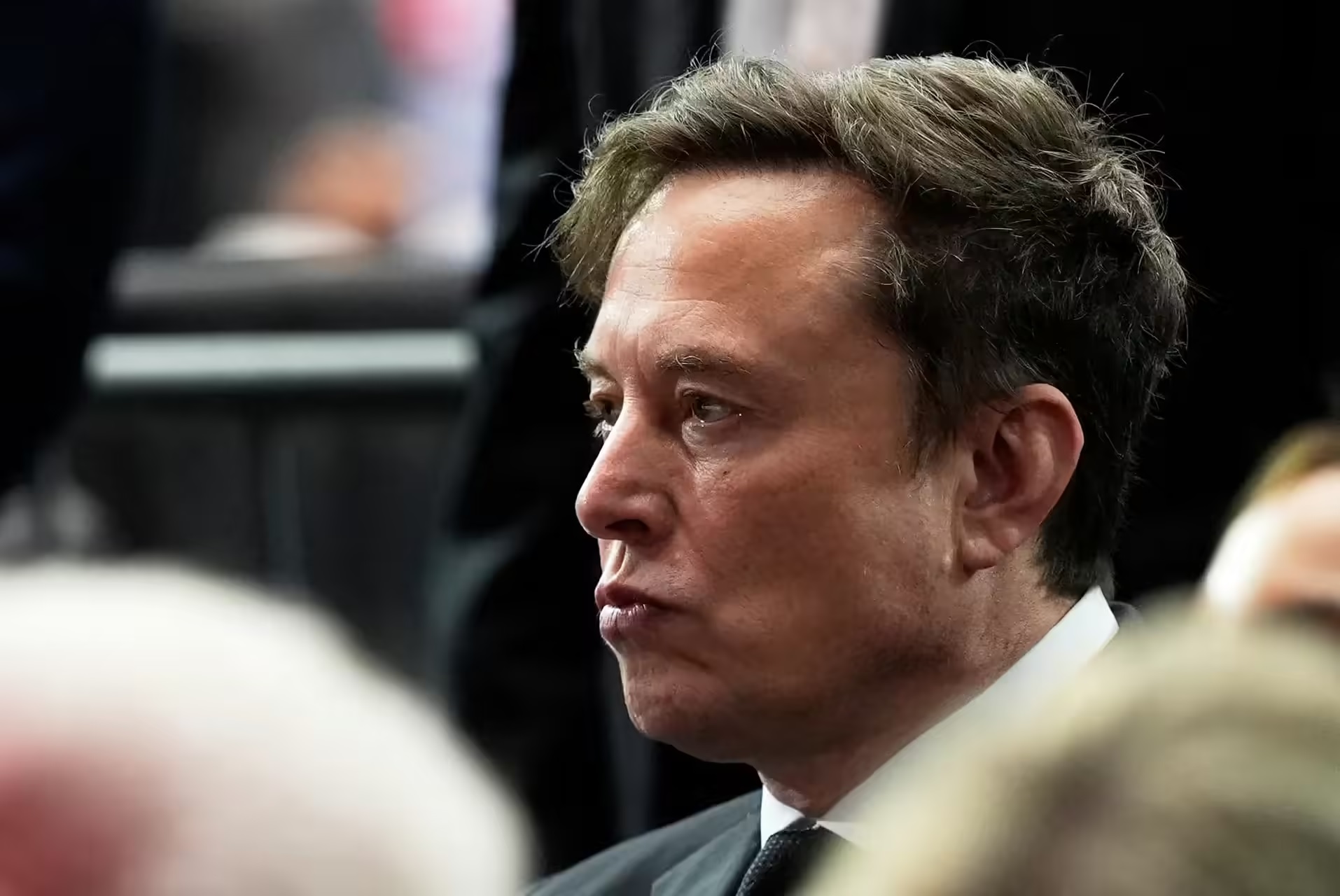
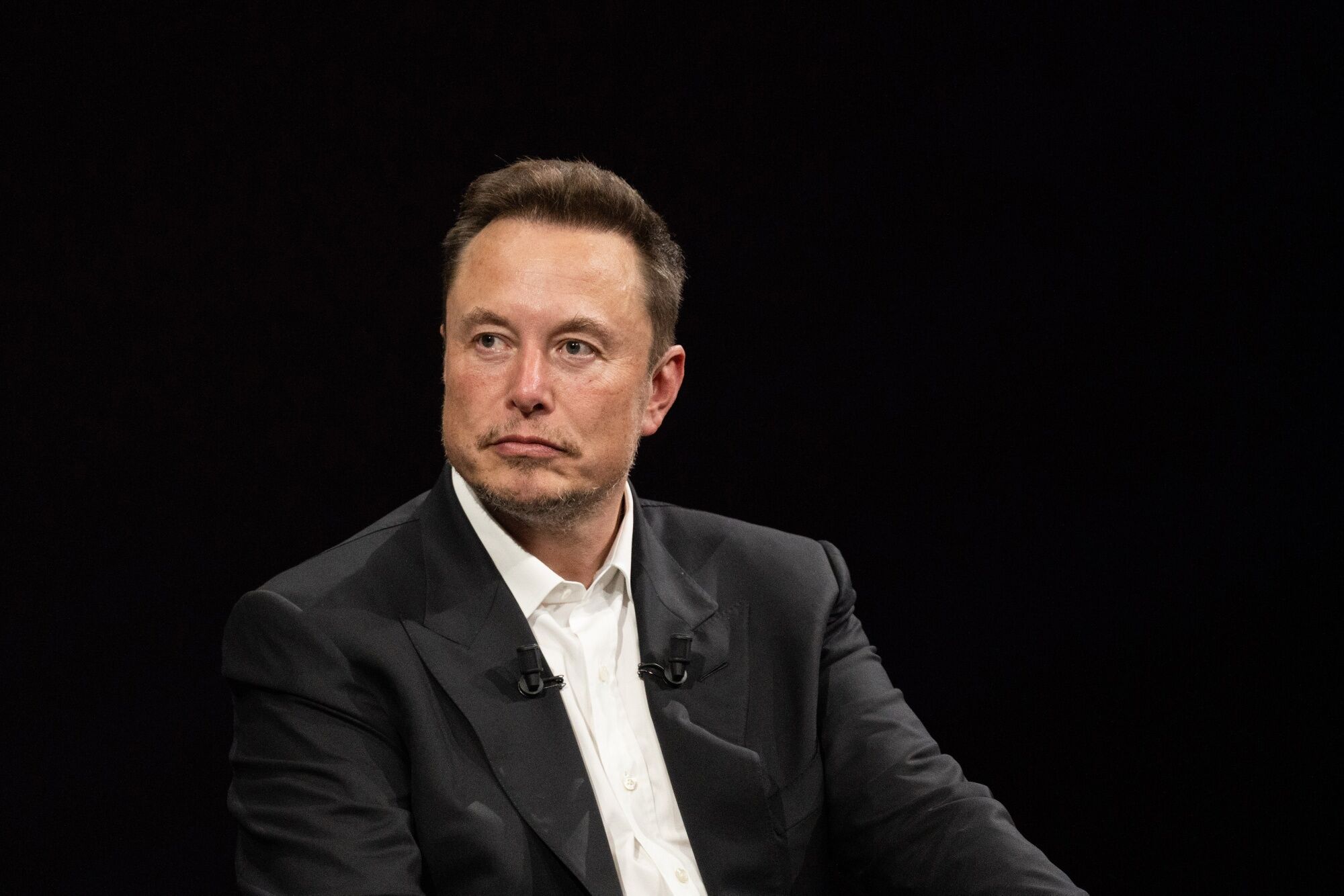
Elon Musk’s legal battle with the artificial‑intelligence company he helped launch escalated as new court filings revealed that he is seeking up to $134 billion in damages. Musk’s complaint alleges that OpenAI, the San Francisco research lab behind ChatGPT, breached its founding mission by turning its technology into a closed commercial platform that benefits Microsoft rather than humanity at large. The Tesla and SpaceX chief executive says he donated roughly $38 million to OpenAI in its early years and provided extensive technical resources, including access to Tesla’s supercomputer clusters. As a co‑founder, he insists that the nonprofit’s charter required it to open‑source its research and make decisions “for the benefit of humanity, not its directors or shareholders”.
Financial economist C. Paul Wazzan, hired as an expert witness for Musk, told the court he estimated damages between $79 billion and $134 billion, based on the hypothetical value of Musk’s contributions and the subsequent surge in valuation of companies building foundation models. Wazzan’s calculations assume that OpenAI’s technology has become one of the most valuable assets in the tech world, in part due to Microsoft’s multibillion‑dollar investment and the widespread adoption of generative‑AI services. Musk argues that his financial stake would have been worth tens of billions if OpenAI had honoured its original non‑profit structure, and he accuses the company of effectively enriching Microsoft at his expense. The suit contends that OpenAI’s decision to convert to a public benefit corporation in 2019 allowed the company’s board members to cut a lucrative deal with Microsoft while excluding early donors from any upside.
Implications for the AI industry
The case has ignited debate over whether Musk’s demand is motivated by principles or profits. Critics note that his personal fortune is estimated at around $700 billion, dwarfing the damages he is seeking. Musk stepped down from OpenAI’s board in 2018 after the board rejected his proposal to take over as chief executive. He later launched xAI, a competing startup that is building an open‑source conversational model and has raised billions of dollars in funding. Musk has also made an unsolicited bid to acquire OpenAI outright and fold it into his own technology empire. OpenAI’s lawyers dismiss the suit as harassment, arguing that Musk’s claims are meritless because he signed an agreement relinquishing control when he resigned. They say the public benefit corporation structure ensures that the company can raise capital while pursuing its mission and that Microsoft’s partnership helped accelerate research in safe AI.
Legal analysts say the case could hinge on how the court interprets the original donation agreements and whether Musk had any contractual rights beyond his donation. If the jury accepts Wazzan’s valuation, it would mark one of the largest damages awards in corporate history. But many observers expect the final figure, if any, to be far smaller. The trial is scheduled to begin in April 2026. The outcome could shape how future AI projects are funded and governed. Investors and startup founders are watching closely as regulators begin to scrutinise AI companies for compliance with open‑source pledges and safety promises.
The dispute also illustrates the broader tension between open science and commercialisation in emerging technologies. OpenAI’s chatbots and image generators have become cultural phenomena, spurring competitors worldwide. By suing the company he helped create, Musk has forced the public to grapple with questions about ownership, profit and responsibility in AI research. Even if Musk does not secure the full $134 billion, the litigation may push venture‑backed AI labs to clarify their governance structures and ensure that future donors understand what they are supporting. It may also accelerate the development of alternative open‑source models, including those championed by Musk’s own xAI, Google’s Gemma project and models being developed by academics. In the end, the controversy highlights how the race to build advanced AI is as much about values and control as it is about code and computing power.