9:57 pm, Tuesday, 20 January 2026

Venezuela’s Hidden Bitcoin Reserves Could Reshape Crypto Markets After Maduro’s Fall

Sarakhon Report

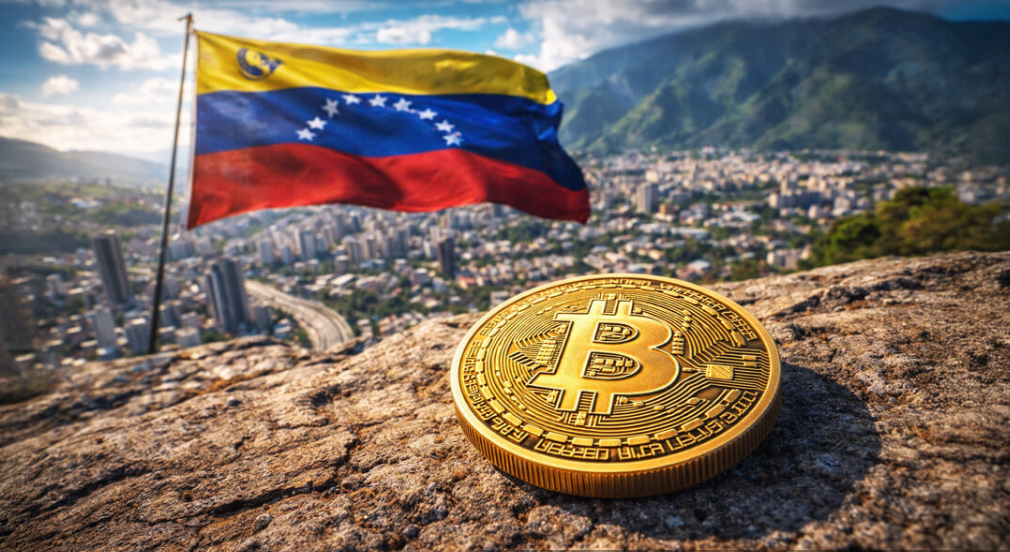
The collapse of Nicolás Maduro’s government has refocused global attention on Venezuela’s vast oil reserves. But behind the headlines, analysts believe another asset may quietly shape the country’s next chapter — a potentially significant stockpile of bitcoin accumulated during years of financial isolation.

Experts say Venezuela likely turned to cryptocurrencies as sanctions cut off access to traditional global finance. While the precise size of any bitcoin holdings remains impossible to verify, the possibility that billions of dollars’ worth of digital assets could soon be sold, seized, or redistributed has drawn the attention of crypto markets worldwide.

Why Venezuela May Hold Bitcoin

Years of international sanctions restricted Venezuela’s ability to move money through conventional banking channels. In response, officials are believed to have relied on alternative stores of value, including gold and cryptocurrencies, to preserve and transfer state wealth.

Industry analysts say bitcoin would have been an attractive option. It operates independently of national governments, can be moved across borders without intermediaries, and does not rely on the U.S. dollar system. Those qualities make it particularly useful for sanctioned states seeking financial flexibility.

However, the secrecy inherent in decentralized networks makes confirmation difficult. Bitcoin addresses are public, but ownership is not. Any Venezuelan holdings are likely spread across numerous wallets controlled by individuals within the former regime, complicating efforts to track or quantify them.

Estimates vary widely. Some reports suggest Venezuela may hold only a modest amount of bitcoin, while others speculate about a stash potentially worth tens of billions of dollars. Analysts caution that higher figures remain unverified and should be treated cautiously.

A History of Crypto Experimentation

Venezuela has a long and complex relationship with digital assets. In 2018, the government launched the petro token in an attempt to bypass sanctions and stabilize the economy. The initiative ultimately failed and was abandoned several years later.

The country has also seen widespread grassroots crypto activity, particularly bitcoin mining, driven by low electricity costs and currency instability. Authorities alternated between tolerating, regulating, and eventually banning mining, at times seizing mining equipment and digital assets.

Even after mining was officially outlawed, data suggests Venezuela continued to contribute a small share of global bitcoin hash power, reinforcing the view that crypto activity persisted beneath the surface.

What Happens to the Bitcoin Now

The political upheaval raises pressing questions about the fate of any bitcoin tied to the former regime. One scenario is a sell-off, either by officials seeking to secure personal wealth or by transitional authorities attempting to unlock liquidity. Such sales could temporarily pressure bitcoin prices.

Another possibility is seizure. U.S. authorities have previously confiscated cryptocurrency linked to sanctioned actors and criminal cases. If Venezuelan bitcoin is identified and seized, it could be transferred to government custody.

That outcome has fueled speculation about whether seized assets could contribute to the United States’ proposed strategic bitcoin reserve — a concept promoted by President Donald Trump as part of a broader pro-crypto agenda. While the legal mechanics remain unclear, analysts suggest that any government-held bitcoin would likely be retained rather than dumped onto the market.

Regardless of the outcome, Venezuela’s situation highlights how digital assets have become entangled with geopolitics.

07:28:58 pm, Tuesday, 20 January 2026

Venezuela’s Hidden Bitcoin Reserves Could Reshape Crypto Markets After Maduro’s Fall

07:28:58 pm, Tuesday, 20 January 2026

The collapse of Nicolás Maduro’s government has refocused global attention on Venezuela’s vast oil reserves. But behind the headlines, analysts believe another asset may quietly shape the country’s next chapter — a potentially significant stockpile of bitcoin accumulated during years of financial isolation.

Experts say Venezuela likely turned to cryptocurrencies as sanctions cut off access to traditional global finance. While the precise size of any bitcoin holdings remains impossible to verify, the possibility that billions of dollars’ worth of digital assets could soon be sold, seized, or redistributed has drawn the attention of crypto markets worldwide.

Why Venezuela May Hold Bitcoin

Years of international sanctions restricted Venezuela’s ability to move money through conventional banking channels. In response, officials are believed to have relied on alternative stores of value, including gold and cryptocurrencies, to preserve and transfer state wealth.

Industry analysts say bitcoin would have been an attractive option. It operates independently of national governments, can be moved across borders without intermediaries, and does not rely on the U.S. dollar system. Those qualities make it particularly useful for sanctioned states seeking financial flexibility.

However, the secrecy inherent in decentralized networks makes confirmation difficult. Bitcoin addresses are public, but ownership is not. Any Venezuelan holdings are likely spread across numerous wallets controlled by individuals within the former regime, complicating efforts to track or quantify them.

Estimates vary widely. Some reports suggest Venezuela may hold only a modest amount of bitcoin, while others speculate about a stash potentially worth tens of billions of dollars. Analysts caution that higher figures remain unverified and should be treated cautiously.

A History of Crypto Experimentation

Venezuela has a long and complex relationship with digital assets. In 2018, the government launched the petro token in an attempt to bypass sanctions and stabilize the economy. The initiative ultimately failed and was abandoned several years later.

The country has also seen widespread grassroots crypto activity, particularly bitcoin mining, driven by low electricity costs and currency instability. Authorities alternated between tolerating, regulating, and eventually banning mining, at times seizing mining equipment and digital assets.

Even after mining was officially outlawed, data suggests Venezuela continued to contribute a small share of global bitcoin hash power, reinforcing the view that crypto activity persisted beneath the surface.

What Happens to the Bitcoin Now

The political upheaval raises pressing questions about the fate of any bitcoin tied to the former regime. One scenario is a sell-off, either by officials seeking to secure personal wealth or by transitional authorities attempting to unlock liquidity. Such sales could temporarily pressure bitcoin prices.

Another possibility is seizure. U.S. authorities have previously confiscated cryptocurrency linked to sanctioned actors and criminal cases. If Venezuelan bitcoin is identified and seized, it could be transferred to government custody.

That outcome has fueled speculation about whether seized assets could contribute to the United States’ proposed strategic bitcoin reserve — a concept promoted by President Donald Trump as part of a broader pro-crypto agenda. While the legal mechanics remain unclear, analysts suggest that any government-held bitcoin would likely be retained rather than dumped onto the market.

Regardless of the outcome, Venezuela’s situation highlights how digital assets have become entangled with geopolitics.