

Murky Waters and Bull Sharks: Rain‑Driven Attacks Close Australian Beaches

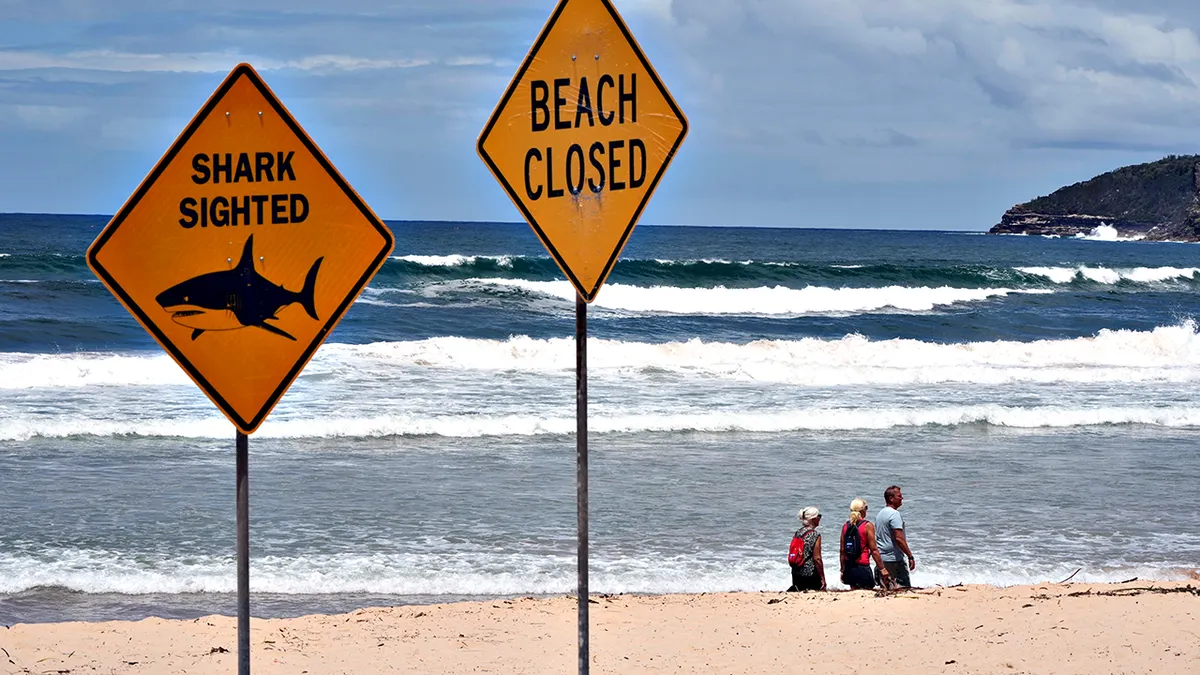
Australia’s east coast summer turned frightening when four shark attacks occurred within two days, prompting authorities to close dozens of beaches. Heavy rains had poured sediment and debris into rivers and nearshore waters, creating cloudy conditions that attract bull sharks. Known for their ability to tolerate both saltwater and freshwater, bull sharks are more likely to swim upriver in search of prey when rain flushes fish downstream. In one incident a surfer was bitten on the leg near a popular break, while in another case a woman swimming near a river mouth suffered serious injuries. Lifeguards quickly evacuated beaches, hoisted danger flags and urged people to stay out of the ocean until water clarity improved.
Marine biologists stress that shark attacks are rare and largely linked to environmental factors. Rain washes nutrients and fish into estuaries, and when combined with warmer temperatures it can draw sharks closer to shore. Experts advise swimmers to avoid murky water, especially near river mouths, and to use swimming pools during periods of heavy rainfall. Officials noted that climate change may be altering shark behaviour by shifting prey patterns and increasing storm frequency. While some critics called for culls, scientists argue that education and surveillance are more effective. As beaches gradually reopened, authorities reminded the public that sharks are essential to marine ecosystems and that human activity plays a role in triggering dangerous encounters.