7:55 pm, Friday, 30 January 2026

Germany eyes new growth engines as traditional exports falter

Sarakhon Report

Economy minister warns cars and machinery can’t drive future growth

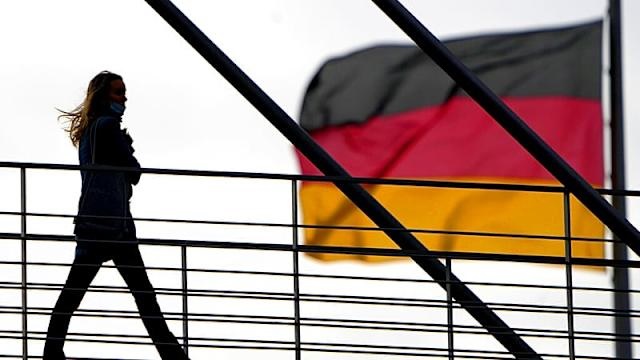
Germany’s economy minister says Europe’s largest economy must move beyond its traditional reliance on cars and mechanical engineering and invest in emerging sectors such as digitalization, artificial intelligence, biotechnology, advanced materials, green energy and defense. Speaking in Berlin, she warned that demographic shifts, high energy costs and intense global competition have weakened the country’s conventional export model. Recent official forecasts cut Germany’s growth outlook to 1.0% in 2026 and 1.3% in 2027, underscoring the need for structural change.
German Growth Engine Could Be Running Out Of Gas | Seeking Alpha

Call for investment in AI, biotech, clean energy and defense

The minister argued that modest reforms will not suffice, citing rapid advances in AI and quantum computing abroad. She called for investments in green hydrogen, battery technology and offshore wind to reduce reliance on imported gas and urged an overhaul of Germany’s grid and permitting processes. Opportunities in mRNA vaccines and gene therapy are constrained by regulations, prompting proposals for tax incentives and streamlined approvals. She also highlighted defense and security technology, noting that Russia’s invasion of Ukraine has pushed Germany to rethink its military capabilities; investments in cybersecurity and autonomous systems could boost innovation and create jobs. Business leaders welcomed the vision but said cutting red tape and lowering electricity costs are essential. Analysts note that commercializing research breakthroughs will require more venture capital, closer ties between universities and industry and a greater tolerance for failure. The minister concluded that public‑private partnerships will be vital to unlocking the capital needed to reinvent Germany’s economic model.


German institutes cut growth forecasts as tariffs bite, fiscal boost lags |  Reuters

06:23:06 pm, Friday, 30 January 2026

Germany eyes new growth engines as traditional exports falter

06:23:06 pm, Friday, 30 January 2026

Economy minister warns cars and machinery can’t drive future growth

Germany’s economy minister says Europe’s largest economy must move beyond its traditional reliance on cars and mechanical engineering and invest in emerging sectors such as digitalization, artificial intelligence, biotechnology, advanced materials, green energy and defense. Speaking in Berlin, she warned that demographic shifts, high energy costs and intense global competition have weakened the country’s conventional export model. Recent official forecasts cut Germany’s growth outlook to 1.0% in 2026 and 1.3% in 2027, underscoring the need for structural change.

German Growth Engine Could Be Running Out Of Gas | Seeking Alpha

Call for investment in AI, biotech, clean energy and defense

The minister argued that modest reforms will not suffice, citing rapid advances in AI and quantum computing abroad. She called for investments in green hydrogen, battery technology and offshore wind to reduce reliance on imported gas and urged an overhaul of Germany’s grid and permitting processes. Opportunities in mRNA vaccines and gene therapy are constrained by regulations, prompting proposals for tax incentives and streamlined approvals. She also highlighted defense and security technology, noting that Russia’s invasion of Ukraine has pushed Germany to rethink its military capabilities; investments in cybersecurity and autonomous systems could boost innovation and create jobs. Business leaders welcomed the vision but said cutting red tape and lowering electricity costs are essential. Analysts note that commercializing research breakthroughs will require more venture capital, closer ties between universities and industry and a greater tolerance for failure. The minister concluded that public‑private partnerships will be vital to unlocking the capital needed to reinvent Germany’s economic model.
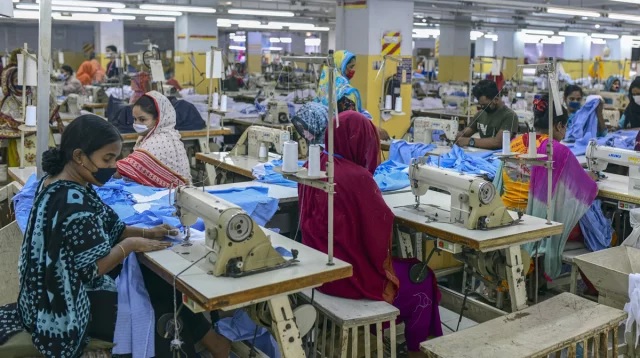
German institutes cut growth forecasts as tariffs bite, fiscal boost lags |  Reuters