3:01 am, Tuesday, 14 April 2026

Iran’s Hormuz Closure Sends Global Oil Markets Into Crisis

Sarakhon Report

A 20-percent supply disruption unlike any in a generation

The Strait of Hormuz, the narrow waterway connecting the Persian Gulf to the open ocean and the world’s single most important energy corridor, has been effectively shut to commercial shipping since late February 2026, following United States and Israeli military strikes on Iran. Iran’s Islamic Revolutionary Guard Corps declared the strait closed to vessels linked to the US and its allies on March 4, and subsequent attacks on tankers attempting to transit the route have driven shipping traffic down to near zero. The strait normally carries around 20 million barrels of oil per day, representing roughly one-fifth of global seaborne oil supply. Brent crude, the international benchmark, rose sharply following the initial strikes and has since crossed $100 per barrel for the first time since 2022. Iran’s IRGC has warned that oil prices could reach $200 per barrel if the closure is maintained. The International Energy Agency, whose 32 member countries have agreed to release 400 million barrels of oil from emergency reserves, has acknowledged that the emergency drawdown can only provide a temporary buffer, not a structural solution. IEA Executive Director Fatih Birol noted that the only lasting answer is the resumption of safe transit through the strait itself. At least 150 tankers have dropped anchor in open Gulf waters outside the strait, waiting for conditions to change.
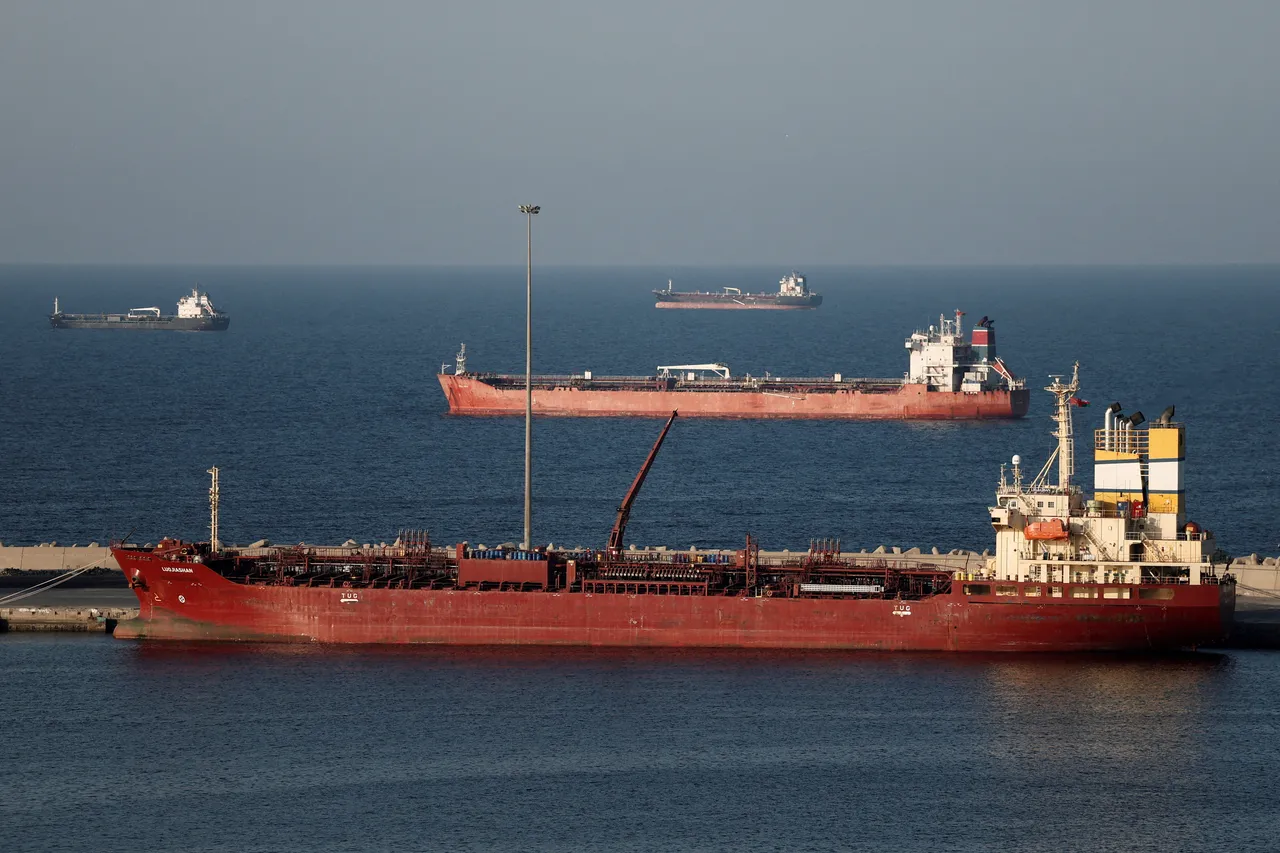
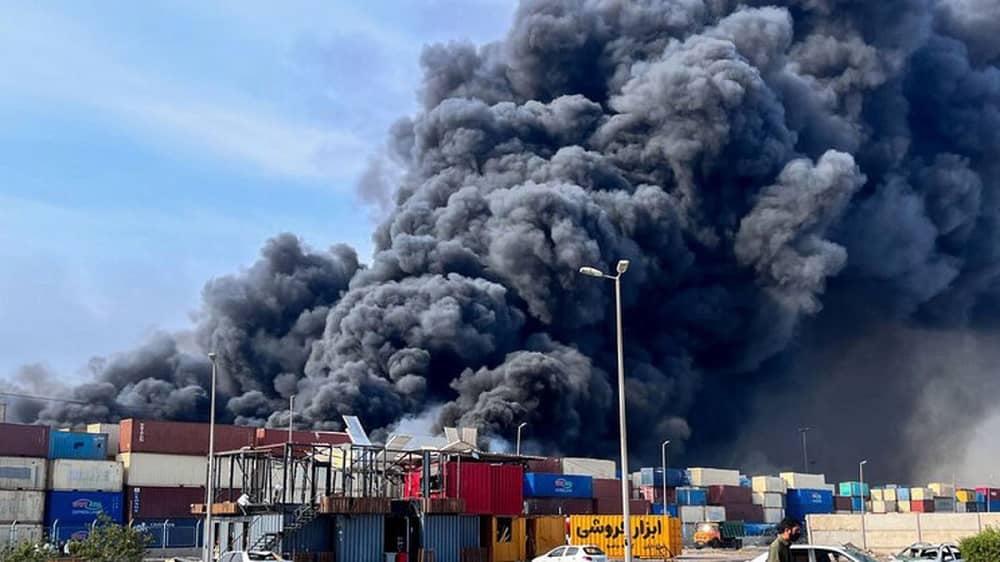
Hormuz 'open' to most, closed only to 'enemies': Iran allows limited oil  transit amid war - TRT World

Asia most exposed; pipeline alternatives fall far short

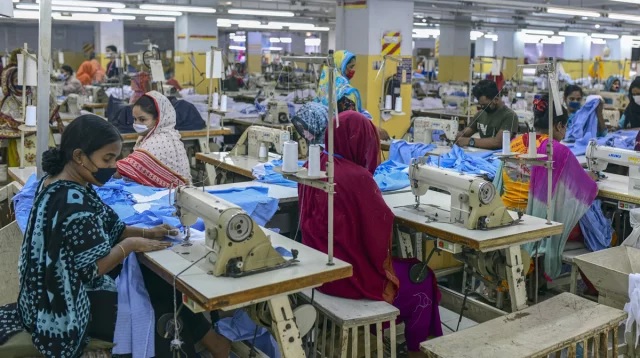
The crisis is hitting Asian energy importers hardest. Around 80 percent of Asia’s oil imports pass through the Strait of Hormuz. China, India, Japan, and South Korea together accounted for nearly 70 percent of all crude oil flows through the strait in 2024. Vietnam holds oil reserves sufficient for under 20 days of consumption at current rates, while Pakistan and Indonesia hold approximately 20 days. Several Asian governments have closed schools, asked workers to stay home, and urged fuel conservation as they prepare for sustained supply disruption and price pressure feeding into food, transport, and electricity costs. China is better insulated than most, having built up large strategic crude reserves before the conflict began and maintaining land-based pipeline gas supplies from Russia. Iran has also reportedly allowed Chinese-flagged vessels to transit the strait in some cases, deepening China’s energy advantage at a time when other importers scramble. Alternative pipeline routes in Saudi Arabia and the UAE exist but cannot offset the full scale of the disruption, leaving a deficit of around 12 million barrels per day. Iraq has been in contact with Tehran trying to negotiate the passage of oil tankers through the strait and is working to resume pipeline exports through Turkey via the Kirkuk-Ceyhan route. The US has discussed escorting commercial shipping through the strait using naval vessels but the Pentagon has not yet begun such operations, citing significant risks in the narrow waterway.


The Strait of Hormuz could take weeks—even months—to reopen, military  experts say | Stock Market News

05:21:44 pm, Tuesday, 17 March 2026

Iran’s Hormuz Closure Sends Global Oil Markets Into Crisis

05:21:44 pm, Tuesday, 17 March 2026

A 20-percent supply disruption unlike any in a generation

The Strait of Hormuz, the narrow waterway connecting the Persian Gulf to the open ocean and the world’s single most important energy corridor, has been effectively shut to commercial shipping since late February 2026, following United States and Israeli military strikes on Iran. Iran’s Islamic Revolutionary Guard Corps declared the strait closed to vessels linked to the US and its allies on March 4, and subsequent attacks on tankers attempting to transit the route have driven shipping traffic down to near zero. The strait normally carries around 20 million barrels of oil per day, representing roughly one-fifth of global seaborne oil supply. Brent crude, the international benchmark, rose sharply following the initial strikes and has since crossed $100 per barrel for the first time since 2022. Iran’s IRGC has warned that oil prices could reach $200 per barrel if the closure is maintained. The International Energy Agency, whose 32 member countries have agreed to release 400 million barrels of oil from emergency reserves, has acknowledged that the emergency drawdown can only provide a temporary buffer, not a structural solution. IEA Executive Director Fatih Birol noted that the only lasting answer is the resumption of safe transit through the strait itself. At least 150 tankers have dropped anchor in open Gulf waters outside the strait, waiting for conditions to change.

Hormuz 'open' to most, closed only to 'enemies': Iran allows limited oil  transit amid war - TRT World

Asia most exposed; pipeline alternatives fall far short

The crisis is hitting Asian energy importers hardest. Around 80 percent of Asia’s oil imports pass through the Strait of Hormuz. China, India, Japan, and South Korea together accounted for nearly 70 percent of all crude oil flows through the strait in 2024. Vietnam holds oil reserves sufficient for under 20 days of consumption at current rates, while Pakistan and Indonesia hold approximately 20 days. Several Asian governments have closed schools, asked workers to stay home, and urged fuel conservation as they prepare for sustained supply disruption and price pressure feeding into food, transport, and electricity costs. China is better insulated than most, having built up large strategic crude reserves before the conflict began and maintaining land-based pipeline gas supplies from Russia. Iran has also reportedly allowed Chinese-flagged vessels to transit the strait in some cases, deepening China’s energy advantage at a time when other importers scramble. Alternative pipeline routes in Saudi Arabia and the UAE exist but cannot offset the full scale of the disruption, leaving a deficit of around 12 million barrels per day. Iraq has been in contact with Tehran trying to negotiate the passage of oil tankers through the strait and is working to resume pipeline exports through Turkey via the Kirkuk-Ceyhan route. The US has discussed escorting commercial shipping through the strait using naval vessels but the Pentagon has not yet begun such operations, citing significant risks in the narrow waterway.

The Strait of Hormuz could take weeks—even months—to reopen, military  experts say | Stock Market News