3:07 am, Tuesday, 14 April 2026

Japan Taps Emergency Oil Reserves as Iran Conflict Threatens Asia’s Economic Recovery

Sarakhon Report

Nikkei falls; industry braces for stagflation

Japan has activated its emergency oil reserves in response to the Strait of Hormuz closure, with Prime Minister Sanae Takaichi announcing the country will release approximately 80 million barrels — its largest single drawdown since the reserve system was established after the 1973 oil shock. Japan relies on Gulf states for more than 90 percent of its crude oil imports, making it one of the most exposed major economies to the current disruption. The Nikkei 225 index has fallen more than nine percent since the US-Israeli strikes on Iran began on 28 February. Japanese manufacturers have reported that North American demand remains reasonably healthy, but rising input costs are beginning to squeeze margins and the domestic economic recovery is at risk. Economists cited in Nikkei Asia warned that spiking crude oil prices could push inflation past the Bank of Japan’s price stability targets, undermining the government’s primary economic goal of achieving sustained increases in real wages. South Korea’s benchmark KOSPI index triggered its market circuit breaker for a second time in four sessions as oil approached $120 per barrel in intra-day trading last week, before stabilising somewhat after Saudi Arabia offered additional barrels via its Red Sea pipeline route at Yanbu. Japan set aside a month of state reserves and 15 days’ worth of private stocks for release. Authorities are coordinating the drawdown with IEA member-country releases across the industrialised world, representing the largest co-ordinated reserve mobilisation since the COVID-era supply disruptions.

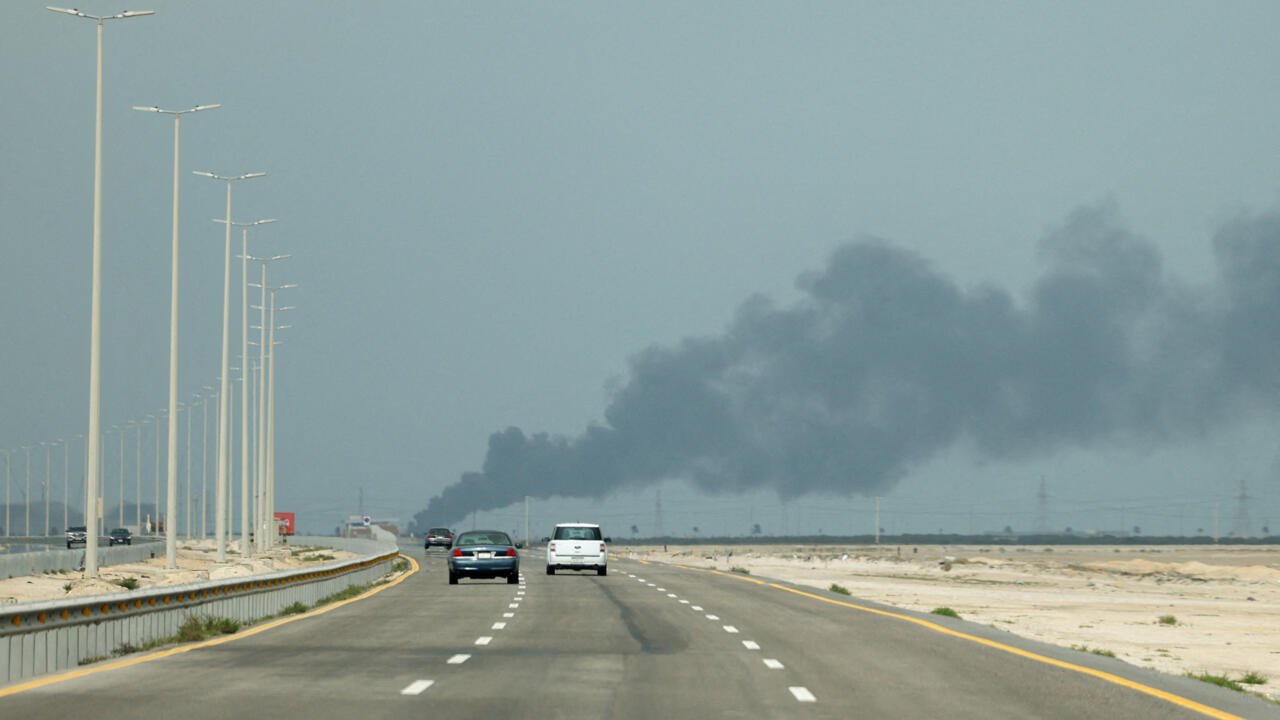
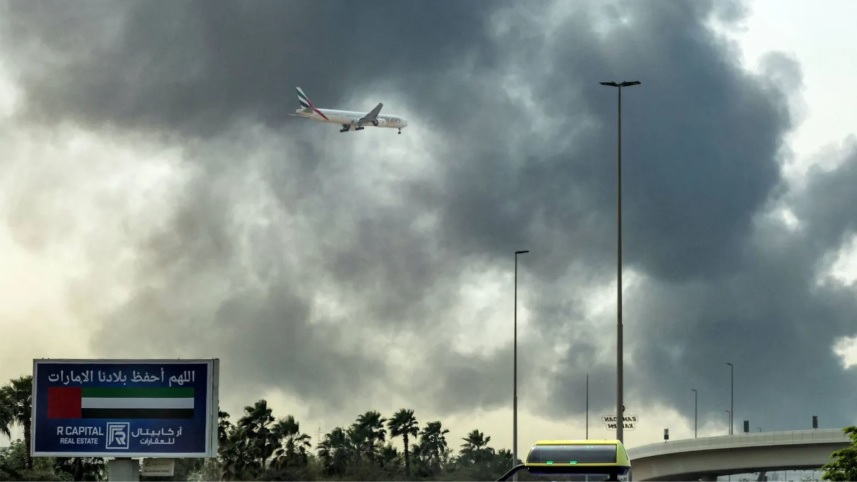
Japan begins release of oil reserves as Iran war sparks energy crisis | Oil  and Gas News | Al Jazeera

Fertilisers, semiconductors and agriculture in the crossfire

The economic damage in Asia is extending well beyond fuel costs. South Korean lawmakers have raised concerns that the semiconductor industry faces supply disruption because helium, a critical gas used in chip fabrication, is sourced substantially from the Persian Gulf region and its transit is affected by the Hormuz closure. The Philippines has moved to a four-day working week as an emergency energy conservation measure, a step that government officials described as without precedent in peacetime. Vietnam, whose oil reserves cover under 20 days of consumption, has removed import tariffs on fuel, while Indonesia and Malaysia have held their policies steady. Across the region, fertiliser supply from the Middle East has been constrained because natural gas, the primary input for nitrogen fertilisers including urea, is not flowing freely from Gulf producers. The Philippines Agriculture Department is exploring organic and biofertiliser alternatives to offset shortfalls. The overall picture for Asia, whose stock markets have fallen far more sharply than those of the United States since the conflict began, is that the Hormuz crisis has exposed deep structural vulnerabilities in the region’s dependence on a single maritime energy corridor. Every government in the region is now reassessing how much of a premium it is willing to pay to reduce that dependence, and domestic renewable energy capacity is gaining a new strategic logic that had previously been expressed only in climate language.


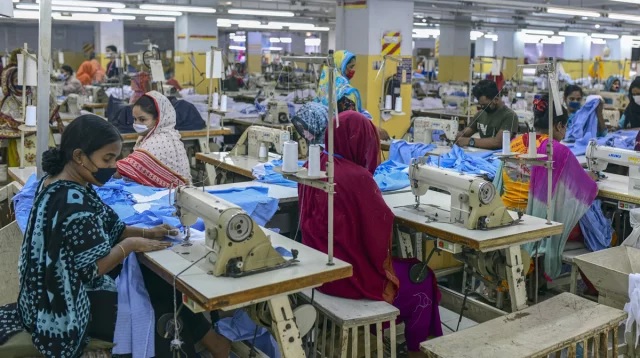
Iran war pushes countries into energy triage as they conserve power and  curb soaring prices | News | wdtimes.com

06:43:39 pm, Tuesday, 17 March 2026

Japan Taps Emergency Oil Reserves as Iran Conflict Threatens Asia’s Economic Recovery

06:43:39 pm, Tuesday, 17 March 2026

Nikkei falls; industry braces for stagflation

Japan has activated its emergency oil reserves in response to the Strait of Hormuz closure, with Prime Minister Sanae Takaichi announcing the country will release approximately 80 million barrels — its largest single drawdown since the reserve system was established after the 1973 oil shock. Japan relies on Gulf states for more than 90 percent of its crude oil imports, making it one of the most exposed major economies to the current disruption. The Nikkei 225 index has fallen more than nine percent since the US-Israeli strikes on Iran began on 28 February. Japanese manufacturers have reported that North American demand remains reasonably healthy, but rising input costs are beginning to squeeze margins and the domestic economic recovery is at risk. Economists cited in Nikkei Asia warned that spiking crude oil prices could push inflation past the Bank of Japan’s price stability targets, undermining the government’s primary economic goal of achieving sustained increases in real wages. South Korea’s benchmark KOSPI index triggered its market circuit breaker for a second time in four sessions as oil approached $120 per barrel in intra-day trading last week, before stabilising somewhat after Saudi Arabia offered additional barrels via its Red Sea pipeline route at Yanbu. Japan set aside a month of state reserves and 15 days’ worth of private stocks for release. Authorities are coordinating the drawdown with IEA member-country releases across the industrialised world, representing the largest co-ordinated reserve mobilisation since the COVID-era supply disruptions.

Japan begins release of oil reserves as Iran war sparks energy crisis | Oil  and Gas News | Al Jazeera

Fertilisers, semiconductors and agriculture in the crossfire

The economic damage in Asia is extending well beyond fuel costs. South Korean lawmakers have raised concerns that the semiconductor industry faces supply disruption because helium, a critical gas used in chip fabrication, is sourced substantially from the Persian Gulf region and its transit is affected by the Hormuz closure. The Philippines has moved to a four-day working week as an emergency energy conservation measure, a step that government officials described as without precedent in peacetime. Vietnam, whose oil reserves cover under 20 days of consumption, has removed import tariffs on fuel, while Indonesia and Malaysia have held their policies steady. Across the region, fertiliser supply from the Middle East has been constrained because natural gas, the primary input for nitrogen fertilisers including urea, is not flowing freely from Gulf producers. The Philippines Agriculture Department is exploring organic and biofertiliser alternatives to offset shortfalls. The overall picture for Asia, whose stock markets have fallen far more sharply than those of the United States since the conflict began, is that the Hormuz crisis has exposed deep structural vulnerabilities in the region’s dependence on a single maritime energy corridor. Every government in the region is now reassessing how much of a premium it is willing to pay to reduce that dependence, and domestic renewable energy capacity is gaining a new strategic logic that had previously been expressed only in climate language.
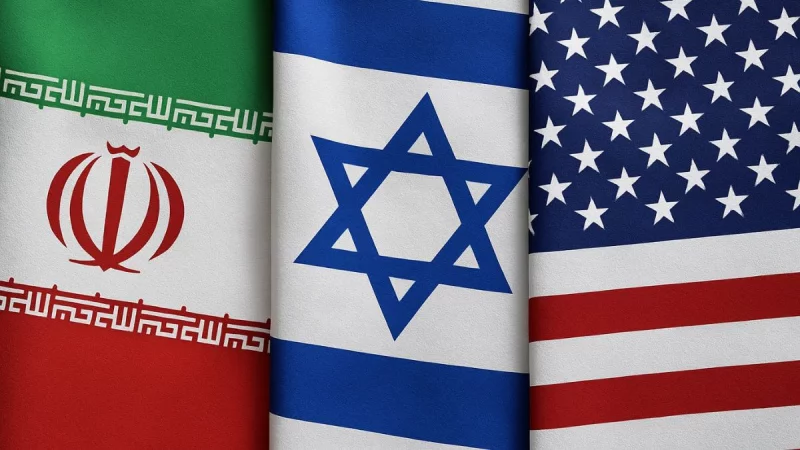
Iran war pushes countries into energy triage as they conserve power and  curb soaring prices | News | wdtimes.com