2:00 pm, Tuesday, 5 May 2026

Lightning Emerges as Deadliest Natural Hazard in Bangladesh, Experts Urge Stronger Preparedness

Sarakhon Report

Lightning has now become one of the deadliest natural hazards in Bangladesh, claiming more lives each year than cyclones and floods. Despite being officially declared a national disaster in 2016, the threat continues to grow, raising concerns among experts and policymakers.

According to recent data, a total of 3,485 people died from lightning strikes between 2015 and 2024. The alarming trend has prompted renewed calls for stronger preparedness, early action, and coordinated response across the country.

National Workshop Highlights Urgency

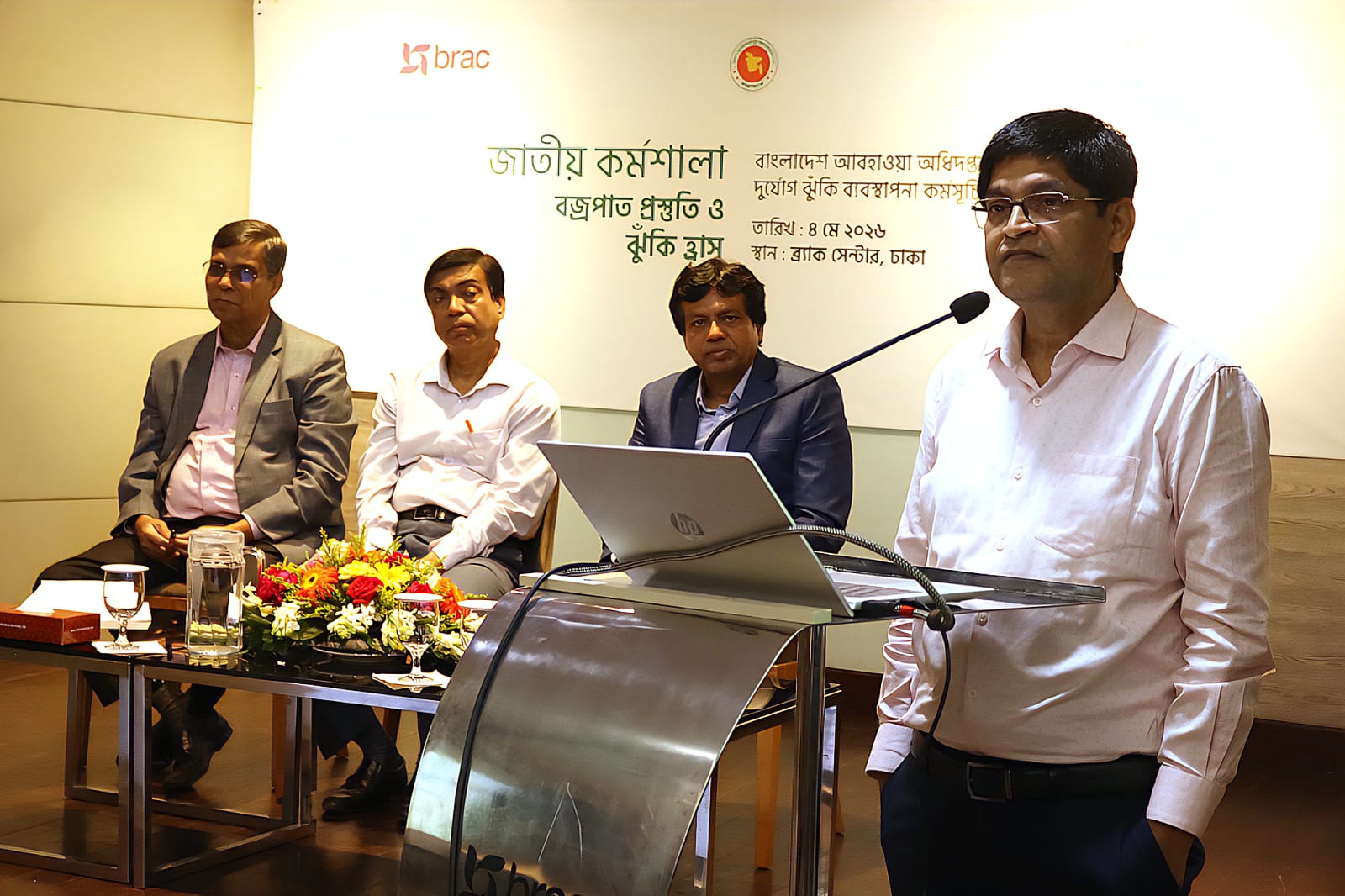
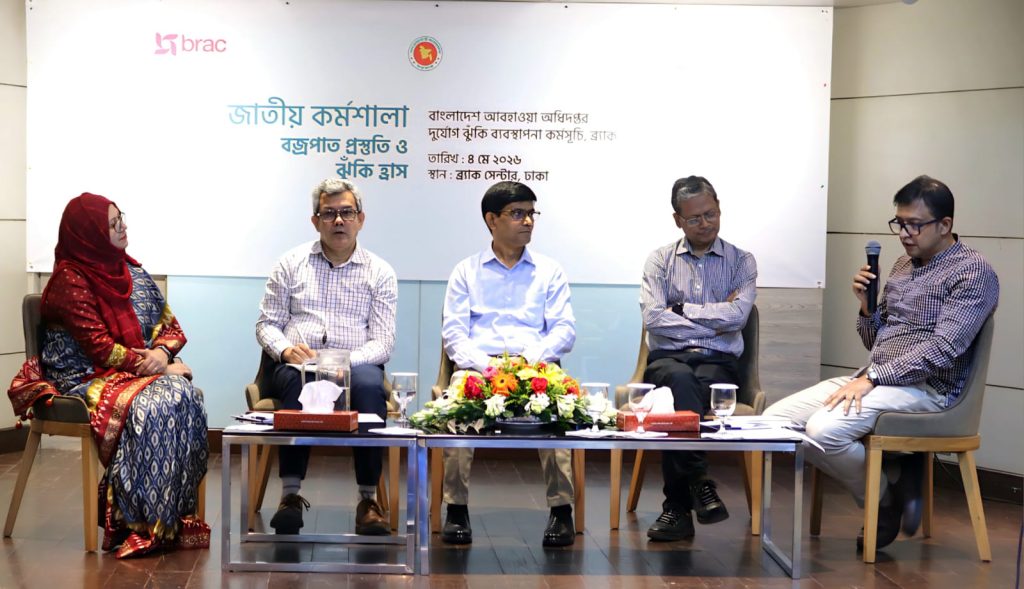
To address the growing crisis, BRAC, in collaboration with the Bangladesh Meteorological Department (BMD), organised a national workshop titled “Lightning Preparedness and Risk Reduction in Bangladesh” on 4 May 2026 at the BRAC Centre in Dhaka. The event brought together experts, policymakers, and development partners to review current initiatives, identify gaps, and discuss global best practices.

The workshop focused on improving early warning systems, strengthening community preparedness, and enhancing coordination among stakeholders to reduce lightning-related fatalities.
High-Risk Groups and Preventive Measures

Speaking at the event, Abu Daud Md Gulam Mustafa, Joint Secretary of the Ministry of Disaster Management and Relief, highlighted that farmers, children, and women remain the most vulnerable groups due to the country’s high population density and exposure.

He stressed the importance of installing shelters equipped with lightning arresters in high-risk areas. He also emphasised the need to strengthen precautionary measures and increase public awareness about early warning systems to ensure people can respond effectively.

Challenges in Early Warning Effectiveness

Md Momenul Islam, Director (Current Charge) of the Bangladesh Meteorological Department, pointed out that between 26 April and 2 May this year alone, 71 deaths were recorded from lightning strikes despite early warnings being issued three days in advance.

He explained that early warning systems can only be effective if they lead to timely action and proper implementation. This, he said, requires coordination at all levels—from national agencies to local communities. Increasing public awareness about safety during thunderstorms is critical to reducing fatalities.
Need for Faster and Wider Forecast Dissemination

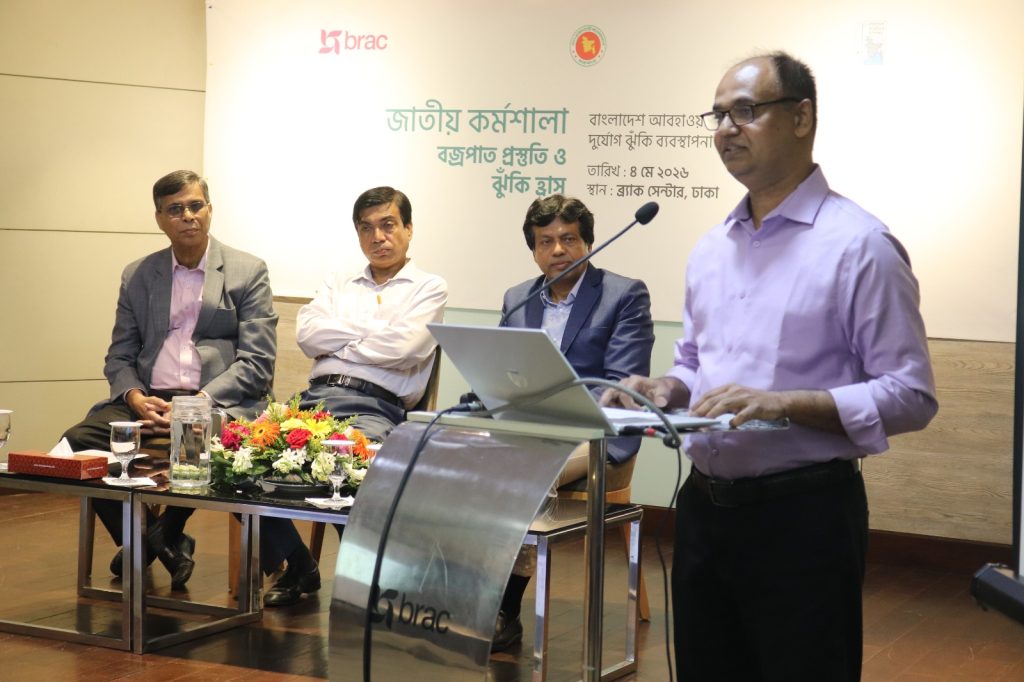
Dr Md Liakath Ali, Director of the Disaster Risk Management Programme, underscored the importance of timely and efficient dissemination of forecast information. He noted that warnings must reach people several hours in advance through channels that ensure maximum coverage.

However, he identified the delivery mechanism as a major challenge, calling for stronger collaboration among all stakeholders to improve communication and reduce deaths caused by thunderstorms.

Expert Insights and Way Forward

Dr Muhammad Abul Kalam Mallik, Meteorologist at the Storm Warning Centre of the Bangladesh Meteorological Department, presented key findings on lightning vulnerability, forecasting, and early warning systems in Bangladesh.
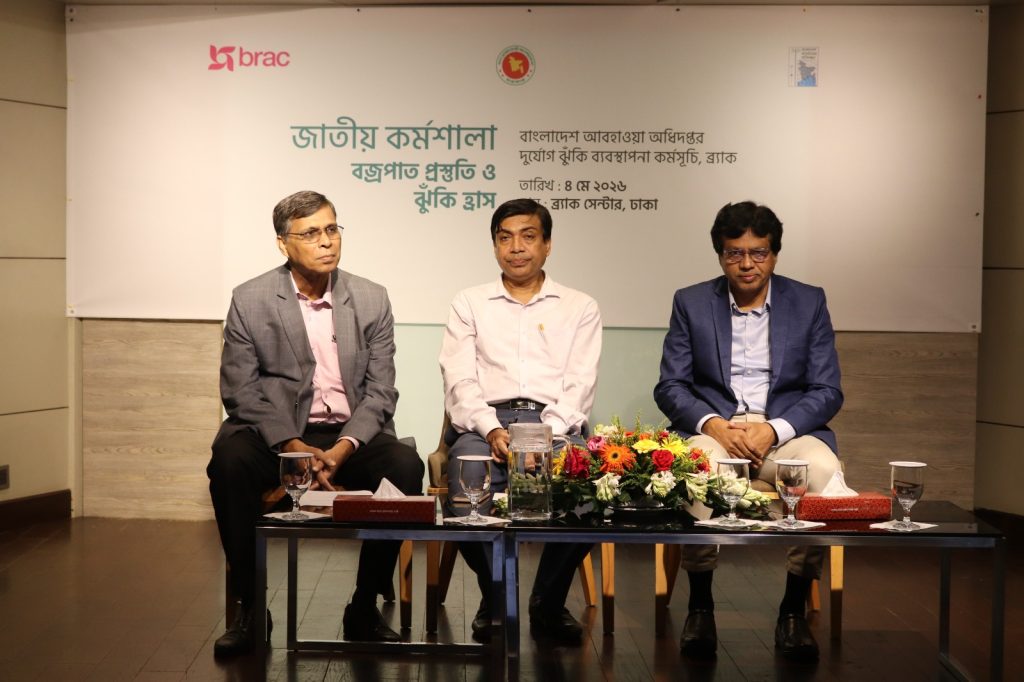
Representatives from regional and international organisations, including RIMES, UNDP, Plan International, and BRAC, also shared their experiences and insights on ongoing initiatives aimed at reducing lightning risks.

The event concluded with a panel discussion where experts highlighted persistent challenges in predicting lightning and delivering warnings to remote areas. They also outlined key priorities for improving preparedness and response at the grassroots level.

As lightning continues to pose a growing threat, the workshop reinforced the urgent need for stronger awareness, better infrastructure, and more effective early warning systems to protect lives across Bangladesh.


10:46:48 am, Tuesday, 5 May 2026

Lightning Emerges as Deadliest Natural Hazard in Bangladesh, Experts Urge Stronger Preparedness

10:46:48 am, Tuesday, 5 May 2026

Lightning has now become one of the deadliest natural hazards in Bangladesh, claiming more lives each year than cyclones and floods. Despite being officially declared a national disaster in 2016, the threat continues to grow, raising concerns among experts and policymakers.

According to recent data, a total of 3,485 people died from lightning strikes between 2015 and 2024. The alarming trend has prompted renewed calls for stronger preparedness, early action, and coordinated response across the country.

National Workshop Highlights Urgency

To address the growing crisis, BRAC, in collaboration with the Bangladesh Meteorological Department (BMD), organised a national workshop titled “Lightning Preparedness and Risk Reduction in Bangladesh” on 4 May 2026 at the BRAC Centre in Dhaka. The event brought together experts, policymakers, and development partners to review current initiatives, identify gaps, and discuss global best practices.

The workshop focused on improving early warning systems, strengthening community preparedness, and enhancing coordination among stakeholders to reduce lightning-related fatalities.

High-Risk Groups and Preventive Measures

Speaking at the event, Abu Daud Md Gulam Mustafa, Joint Secretary of the Ministry of Disaster Management and Relief, highlighted that farmers, children, and women remain the most vulnerable groups due to the country’s high population density and exposure.

He stressed the importance of installing shelters equipped with lightning arresters in high-risk areas. He also emphasised the need to strengthen precautionary measures and increase public awareness about early warning systems to ensure people can respond effectively.

Challenges in Early Warning Effectiveness

Md Momenul Islam, Director (Current Charge) of the Bangladesh Meteorological Department, pointed out that between 26 April and 2 May this year alone, 71 deaths were recorded from lightning strikes despite early warnings being issued three days in advance.

He explained that early warning systems can only be effective if they lead to timely action and proper implementation. This, he said, requires coordination at all levels—from national agencies to local communities. Increasing public awareness about safety during thunderstorms is critical to reducing fatalities.

Need for Faster and Wider Forecast Dissemination

Dr Md Liakath Ali, Director of the Disaster Risk Management Programme, underscored the importance of timely and efficient dissemination of forecast information. He noted that warnings must reach people several hours in advance through channels that ensure maximum coverage.

However, he identified the delivery mechanism as a major challenge, calling for stronger collaboration among all stakeholders to improve communication and reduce deaths caused by thunderstorms.

Expert Insights and Way Forward

Dr Muhammad Abul Kalam Mallik, Meteorologist at the Storm Warning Centre of the Bangladesh Meteorological Department, presented key findings on lightning vulnerability, forecasting, and early warning systems in Bangladesh.

Representatives from regional and international organisations, including RIMES, UNDP, Plan International, and BRAC, also shared their experiences and insights on ongoing initiatives aimed at reducing lightning risks.

The event concluded with a panel discussion where experts highlighted persistent challenges in predicting lightning and delivering warnings to remote areas. They also outlined key priorities for improving preparedness and response at the grassroots level.

As lightning continues to pose a growing threat, the workshop reinforced the urgent need for stronger awareness, better infrastructure, and more effective early warning systems to protect lives across Bangladesh.