9:07 pm, Tuesday, 2 December 2025

DEATH TOLL FROM ASIA FLOODS TOPS 1,200 AS RESCUERS STRUGGLE TO REACH CUT-OFF TOWNS

Sarakhon Report

Rooftop rescues and missing families across Indonesia, Sri Lanka and Thailand

Days of relentless monsoon downpours and landslides have turned large parts of Indonesia, Sri Lanka and Thailand into disaster zones, with the combined death toll now surpassing 1,200 people. Thousands more are injured or missing, and entire neighbourhoods have been erased in a matter of hours as rivers burst their banks and hillsides gave way. Emergency teams describe scenes of families clinging to rooftops through the night, waving makeshift flags at helicopters circling overhead. Officials warn that the figures are likely to rise as crews finally reach remote areas that have been cut off since the storms hit.

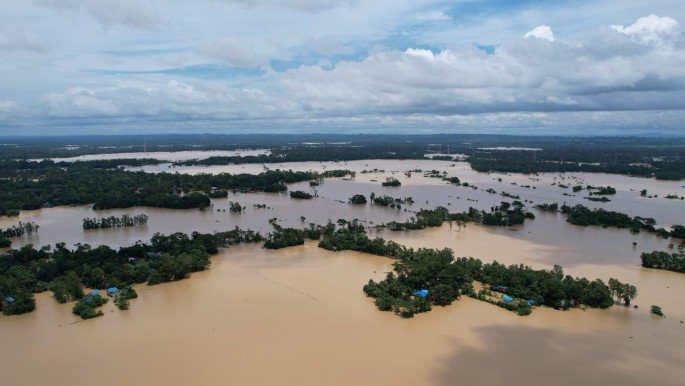
Rescue operations continue at an area hit by flash floods in Palembayan, Agam, West Sumatra

Indonesia has suffered the highest losses, particularly on Sumatra island, where flash floods tore through valleys lined with homes, markets and small factories. Roads have been carved away, leaving rescue convoys stranded at washed-out bridges and forcing teams to continue on foot or by inflatable boat. Entire villages remain without power or phone networks, leaving relatives in other parts of the country desperately checking sparse survivor lists. Local authorities say some bodies are being recovered dozens of kilometres downstream, a sign of how violently the water moved.

In Sri Lanka, many of the deaths were linked to a cyclonic storm that intensified the already heavy monsoon rains. Hill-country communities woke to find mud and water rushing into bedrooms before dawn, giving residents just minutes to grab children and documents. Temporary camps have sprung up in schools and temples across several districts, where families sleep on thin mats while waiting for news of missing loved ones. Doctors are racing to contain the risk of waterborne disease as clean drinking water and sanitation facilities struggle to meet demand.

A house is seen buried in the mud at a village affected by flash flood in Pidie Jaya, Aceh province, Indonesia, Tuesday, Dec. 2, 2025. (AP Photo/Reza Saifullah)

Thailand, meanwhile, is moving from immediate rescue to the start of a long recovery. Floods have affected millions of people and submerged farmland, small businesses and transport hubs in southern provinces. Trains and buses have been cancelled on key routes, and many local airports still face disruptions as crews clear debris from runways and terminal buildings. Authorities are distributing cash aid and emergency supplies, but warn that many families have lost both their homes and their main sources of income.

International and regional aid groups have begun airlifting in food, water filters and medical kits, yet logistics remain a major obstacle. Damaged roads mean that the last stretch of many journeys takes place in small boats, or even on foot with volunteers forming human chains to pass boxes of supplies. Local communities are also organising their own response: fishing boats are being used as ambulances, mosques and churches have opened their doors regardless of faith, and youth groups are coordinating clean-up drives once waters begin to recede.

Climate and deforestation questions follow the waters

Even as the search for survivors continues, the disasters have reignited debate over how prepared these countries are for more extreme weather. Scientists have long warned that a warming climate makes intense rainfall events more likely, as warmer air holds more moisture that can be released in violent bursts. At the same time, environmental campaigners point to years of illegal logging, weak land-use rules and construction on floodplains as reasons why the damage has been so severe. Some Indonesian officials have publicly acknowledged that stripped hillsides near hard-hit valleys amplified the force of the floods.

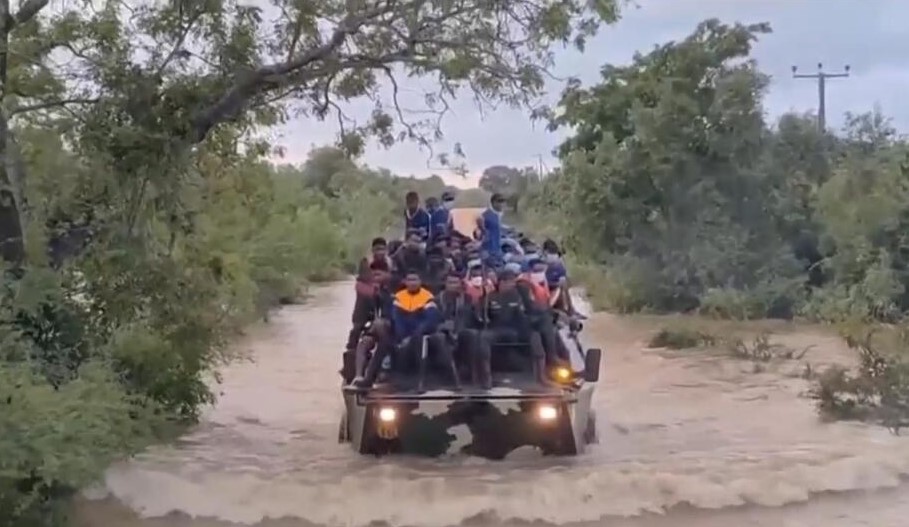
Aftermath of Cyclone Ditwah in Sri Lanka

In Sri Lanka and Thailand, residents are asking why early warnings did not always translate into timely evacuations. Many say they received text alerts only after water was already rising around their homes, or that local leaders were slow to open official shelters. Governments have promised thorough reviews of emergency planning, including how quickly forecasts from meteorological agencies are shared with vulnerable communities. Proposals under discussion include more localised siren systems, clearer evacuation routes and new restrictions on building in high-risk zones.

Financially, the disasters will leave deep scars. Bridges, highways and power lines will need costly repairs, and farmers may have to replant entire seasons of rice, rubber and fruit crops. Insurers are bracing for large claims in urban centres, while rural families who lack formal coverage may be forced to rely on loans or informal support networks. Economists say rebuilding, if managed well, could create jobs and spur investment in more resilient infrastructure, but warn that lower-income households risk falling further into debt.

Aftermath of Cyclone Ditwah in Sri Lanka

For survivors in evacuation camps, however, those debates feel distant. Many are focused on the immediate tasks of finding medicines, comforting traumatised children and trying to piece together documents needed for future compensation. Volunteers speak of people who sit in silence for hours, staring at the mud line where their houses used to stand. Yet amid the grief, there are quieter stories of hope: neighbours pooling savings to buy shared generators, strangers offering rides to hospitals, and students organising tutoring circles so children do not fall too far behind in school. The question hanging over all of them is whether the region will learn enough from this catastrophe before the next storm arrives.

06:03:15 pm, Tuesday, 2 December 2025

DEATH TOLL FROM ASIA FLOODS TOPS 1,200 AS RESCUERS STRUGGLE TO REACH CUT-OFF TOWNS

06:03:15 pm, Tuesday, 2 December 2025

Rooftop rescues and missing families across Indonesia, Sri Lanka and Thailand

Days of relentless monsoon downpours and landslides have turned large parts of Indonesia, Sri Lanka and Thailand into disaster zones, with the combined death toll now surpassing 1,200 people. Thousands more are injured or missing, and entire neighbourhoods have been erased in a matter of hours as rivers burst their banks and hillsides gave way. Emergency teams describe scenes of families clinging to rooftops through the night, waving makeshift flags at helicopters circling overhead. Officials warn that the figures are likely to rise as crews finally reach remote areas that have been cut off since the storms hit.

Rescue operations continue at an area hit by flash floods in Palembayan, Agam, West Sumatra

Indonesia has suffered the highest losses, particularly on Sumatra island, where flash floods tore through valleys lined with homes, markets and small factories. Roads have been carved away, leaving rescue convoys stranded at washed-out bridges and forcing teams to continue on foot or by inflatable boat. Entire villages remain without power or phone networks, leaving relatives in other parts of the country desperately checking sparse survivor lists. Local authorities say some bodies are being recovered dozens of kilometres downstream, a sign of how violently the water moved.

In Sri Lanka, many of the deaths were linked to a cyclonic storm that intensified the already heavy monsoon rains. Hill-country communities woke to find mud and water rushing into bedrooms before dawn, giving residents just minutes to grab children and documents. Temporary camps have sprung up in schools and temples across several districts, where families sleep on thin mats while waiting for news of missing loved ones. Doctors are racing to contain the risk of waterborne disease as clean drinking water and sanitation facilities struggle to meet demand.

A house is seen buried in the mud at a village affected by flash flood in Pidie Jaya, Aceh province, Indonesia, Tuesday, Dec. 2, 2025. (AP Photo/Reza Saifullah)

Thailand, meanwhile, is moving from immediate rescue to the start of a long recovery. Floods have affected millions of people and submerged farmland, small businesses and transport hubs in southern provinces. Trains and buses have been cancelled on key routes, and many local airports still face disruptions as crews clear debris from runways and terminal buildings. Authorities are distributing cash aid and emergency supplies, but warn that many families have lost both their homes and their main sources of income.

International and regional aid groups have begun airlifting in food, water filters and medical kits, yet logistics remain a major obstacle. Damaged roads mean that the last stretch of many journeys takes place in small boats, or even on foot with volunteers forming human chains to pass boxes of supplies. Local communities are also organising their own response: fishing boats are being used as ambulances, mosques and churches have opened their doors regardless of faith, and youth groups are coordinating clean-up drives once waters begin to recede.

Climate and deforestation questions follow the waters

Even as the search for survivors continues, the disasters have reignited debate over how prepared these countries are for more extreme weather. Scientists have long warned that a warming climate makes intense rainfall events more likely, as warmer air holds more moisture that can be released in violent bursts. At the same time, environmental campaigners point to years of illegal logging, weak land-use rules and construction on floodplains as reasons why the damage has been so severe. Some Indonesian officials have publicly acknowledged that stripped hillsides near hard-hit valleys amplified the force of the floods.

Aftermath of Cyclone Ditwah in Sri Lanka

In Sri Lanka and Thailand, residents are asking why early warnings did not always translate into timely evacuations. Many say they received text alerts only after water was already rising around their homes, or that local leaders were slow to open official shelters. Governments have promised thorough reviews of emergency planning, including how quickly forecasts from meteorological agencies are shared with vulnerable communities. Proposals under discussion include more localised siren systems, clearer evacuation routes and new restrictions on building in high-risk zones.

Financially, the disasters will leave deep scars. Bridges, highways and power lines will need costly repairs, and farmers may have to replant entire seasons of rice, rubber and fruit crops. Insurers are bracing for large claims in urban centres, while rural families who lack formal coverage may be forced to rely on loans or informal support networks. Economists say rebuilding, if managed well, could create jobs and spur investment in more resilient infrastructure, but warn that lower-income households risk falling further into debt.

Aftermath of Cyclone Ditwah in Sri Lanka

For survivors in evacuation camps, however, those debates feel distant. Many are focused on the immediate tasks of finding medicines, comforting traumatised children and trying to piece together documents needed for future compensation. Volunteers speak of people who sit in silence for hours, staring at the mud line where their houses used to stand. Yet amid the grief, there are quieter stories of hope: neighbours pooling savings to buy shared generators, strangers offering rides to hospitals, and students organising tutoring circles so children do not fall too far behind in school. The question hanging over all of them is whether the region will learn enough from this catastrophe before the next storm arrives.