Google’s AI summaries are about to reshape Android notifications

AI tools move from messages to the lock screen
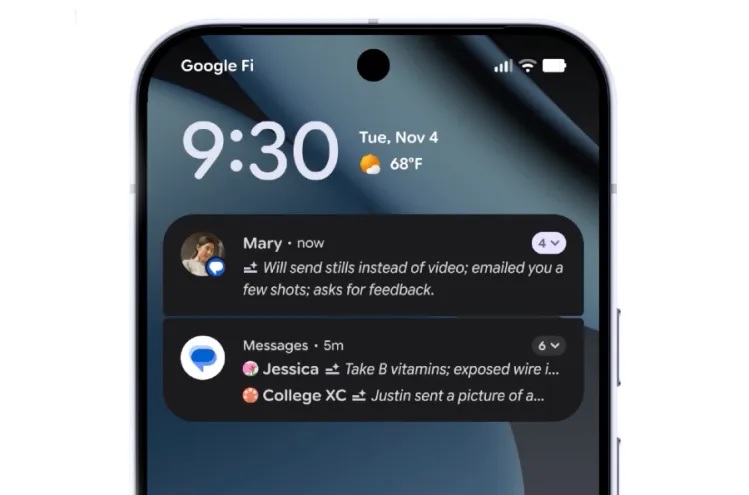
Google is quietly turning your Android notification shade into a space for artificial intelligence. In its latest Android 16 update, the company is rolling out AI-powered notification summaries beyond its own Pixel devices to a wider range of phones. The feature scans long text alerts—such as busy group chats, breaking-news updates or travel emails—and condenses them into a short digest that appears directly in the notification panel. Early adopters say this can cut down the time spent opening multiple apps just to find the one key detail, like a meeting change or delivery update, buried inside a wall of text. Google insists the summaries run on-device where possible, meaning that in many cases, sensitive content will not need to be sent to its servers.

The AI push comes alongside a new notification organizer that automatically groups lower-priority alerts. Promotional emails, news offers and social-media pings can be bundled and quietly pushed down the list, while critical messages remain prominent. It’s an attempt to fix a problem Android helped create: years of unchecked notification growth that has left many users overwhelmed. The update also extends personalization features built into Android 16. Users can now fine-tune the look of their home screens with new icon shapes and themes, while an expanded dark mode can force some apps into a darker palette even if developers never built a night option. Together, these tweaks reflect Google’s broader strategy of selling Android as not just open and flexible, but smart enough to manage everyday noise on its own.
What this means for users and phone makers
For hardware partners such as Samsung and other Android brands, the change is significant. Until now, many of Google’s experimental AI features landed first and sometimes only on Pixel phones, undercutting rivals who rely on Android but compete on software polish. By bundling notification summaries into the core Android 16 release, Google is inviting more manufacturers to integrate the feature into their own skins and launchers. Analysts say this could narrow the perceived gap between Pixel and other Android phones, while giving the ecosystem a clearer answer to Apple’s push into on-device intelligence. At the same time, each company will still be free to decide how aggressively to surface summaries or whether to offer its own alternatives.

Privacy and accuracy remain open questions. While Google emphasizes security safeguards and on-device processing, consumer groups are likely to press for clearer explanations about when data leaves a phone and how long it is stored. There is also the risk of mis-summarized messages, especially in languages or contexts where AI models are weaker. Overly compressed notifications could strip out nuance or miss warnings buried in a longer thread. Power users may choose to turn the feature off, preferring raw messages over machine-filtered highlights. But for many people whose lock screens already feel like an unmanageable firehose, an AI that can sort, condense and dim the least important pings may quickly become an everyday convenience—and a new reason to stay inside the Android universe for their next upgrade.