Jane Birkin’s ‘It Girl’ legacy gets a fresh rethink

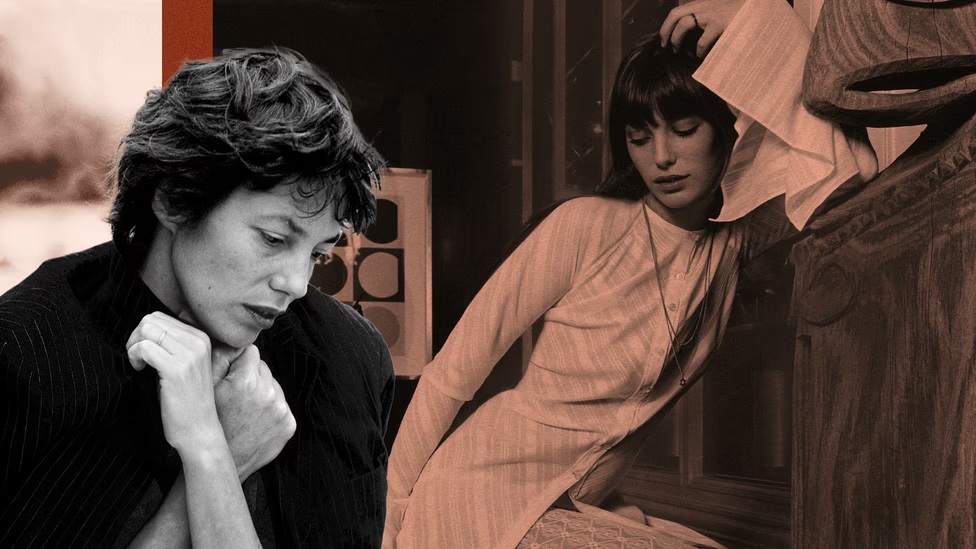
New biography argues she was more than a muse
A new biography of Jane Birkin is challenging the way the late actor and singer has long been remembered—as a fashion muse and the namesake of an ultra-luxury handbag rather than a working artist in her own right. In “It Girl: The Life and Legacy of Jane Birkin,” writer Marisa Meltzer revisits Birkin’s career from her teenage modeling days through decades of film, music and stage work. The book acknowledges that Birkin fit the classic “It girl” template: beautiful, stylish, and seemingly effortlessly present wherever culture was being made. But it also suggests that reducing her to a set of outfits and famous lovers misses how deliberately she shaped the looks and moods that later defined an era. Her taste, from the famous wicker basket she carried everywhere to the way she refined Serge Gainsbourg’s image, helped turn everyday items into status symbols.

The Atlantic’s review of the book notes a tension in Meltzer’s argument. At times, the author wants to frame Birkin as a hidden visionary whose artistry was overlooked. Yet when she searches Birkin’s letters, interviews and diaries for evidence of a fiercely ambitious actress plotting her next move, she often finds a woman more focused on relationships, family and emotional life than on career strategy. Rather than a secret auteur, Birkin emerges as someone whose great talent was being fully, magnetically herself in front of cameras and audiences. Her collaboration with French director Agnès Varda in the 1980s, and later projects in which she took more control over her public image, show a woman who eventually learned to steer the narrative without entirely abandoning the easy charm that made her famous.
What ‘It Girl’ status means in the TikTok age
The Birkin biography lands at a time when the idea of an “It girl” is being redefined by social media. Whereas Birkin’s fame spread through films, magazines and gossip columns, today’s style icons build followings through TikTok, Instagram and increasingly fragmented online scenes. The review argues that treating Birkin primarily as a misunderstood artist may miss what made her resonate across decades: her ability to make everyday life look casually glamorous, and to turn personal style into a shared cultural language. In that sense, her legacy is less about the Birkin bag and more about how she showed people—especially women—new ways of inhabiting the spotlight on their own terms.

For readers in 2025, the reassessment offers a reminder that public images are always partly constructed by others. Birkin’s story suggests that resisting or rewriting those narratives can be slow, uneven work, even for someone with considerable influence. The book’s strongest passages focus on the periods when she stepped outside familiar roles, including darker film parts and collaborations with women directors who saw more in her than an ingénue. As debates continue over how celebrity women are judged, packaged and “reclaimed,” Birkin’s life provides a case study in the limits of revisionist storytelling—and in the enduring power of a person whose style, presence and contradictions have outlived the fashions she helped create.