Indonesia races to reach survivors after deadly Sumatra floods

Military ramps up relief in three devastated provinces
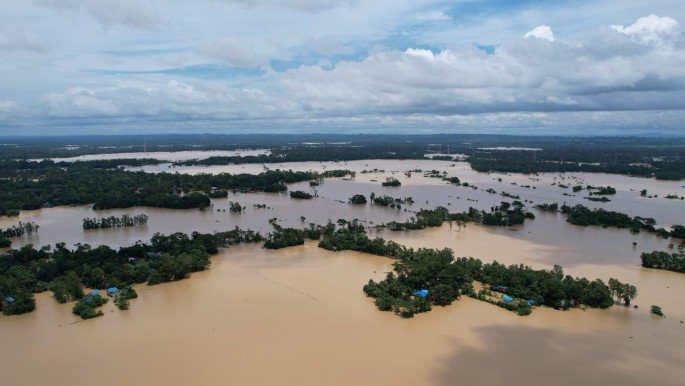
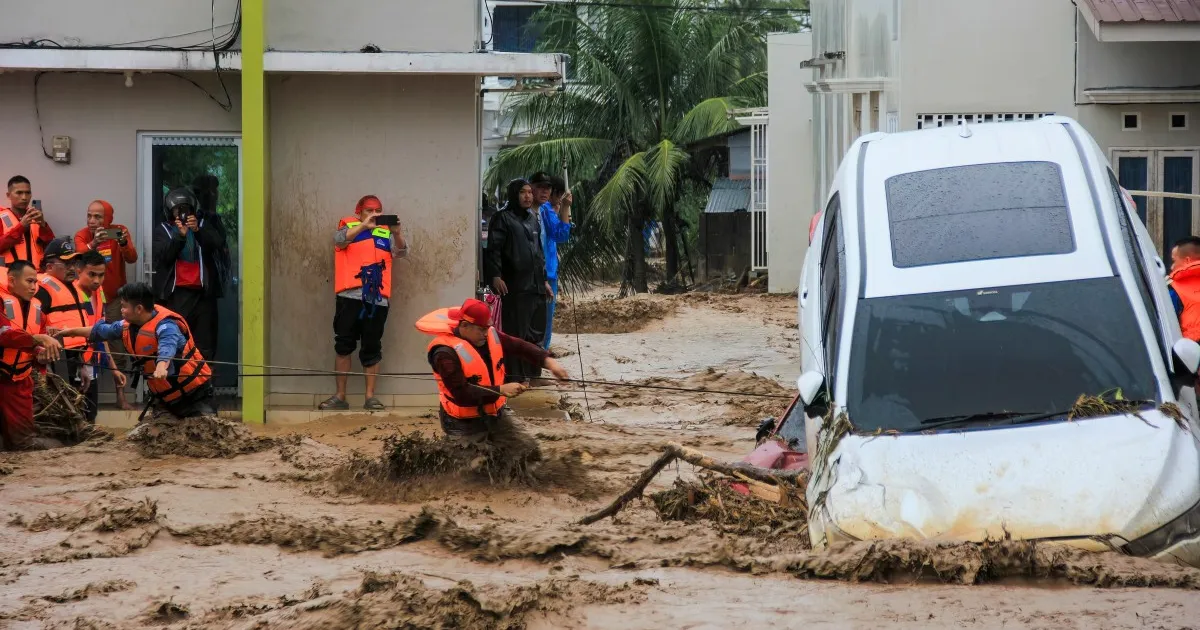
Indonesia’s military has intensified rescue and relief operations across three provinces on Sumatra after cyclone-fueled floods and landslides killed more than 860 people and left hundreds missing. Troops are airlifting food, clean water and medical supplies into isolated communities where roads and bridges have been washed away. Helicopters are ferrying survivors from cut-off villages, while engineers work to reopen key routes so heavier equipment and aid convoys can move in. The country’s vice president has publicly apologized for shortcomings in the initial response and promised more resources to the region.
Local authorities say entire neighborhoods were swept away when swollen rivers burst their banks following days of intense rain. Many families are sheltering in crowded schools and mosques on higher ground, with limited access to sanitation and healthcare. Hospitals in nearby cities are struggling with a surge of injured people as well as patients suffering from water-borne diseases. Aid workers warn that without rapid improvements in shelter, hygiene and medical services, the disaster could be followed by a second wave of illness.
Climate risks and rebuilding challenges
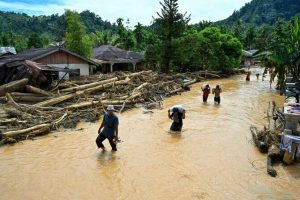
While Indonesia is no stranger to tropical storms, officials and scientists alike point to how extreme rainfall events are becoming more frequent and destructive. Steep hillsides stripped of forest cover collapsed in multiple locations, amplifying the impact of already severe flooding. The disaster has reignited debate over mining, logging and poorly regulated construction in vulnerable areas of Sumatra, where communities often live right along riverbanks or on unstable slopes.
Rebuilding will require enormous investment in safer housing, river management and early-warning systems, all while the country is trying to grow its economy and expand infrastructure. The government faces pressure to show that promised reforms on land use and enforcement actually materialize once the cameras leave. For families picking through the mud for any remaining belongings, the priority is still immediate: finding missing loved ones, securing a safe place to sleep and rebuilding livelihoods destroyed in a matter of hours.