1:28 pm, Saturday, 6 December 2025

Katchatheevu Issue: Beneath the Politics Lies a Crisis of Environment and Survival

Sarakhon Report

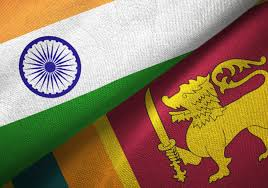
Although the political tension between India and Sri Lanka over Katchatheevu continues to dominate discussions, the real crisis runs much deeper—industrial-scale bottom trawling in the Palk Bay and the Gulf of Mannar, severe depletion of fish stocks, and rapid environmental degradation of the coastal zones of both countries. The core question today is not sovereignty, but survival.

Renewed Focus on the Katchatheevu Question

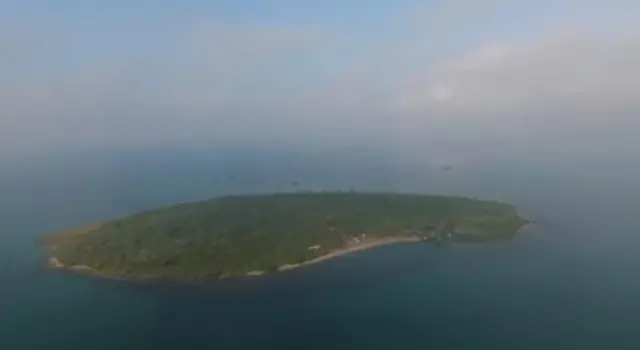
In recent times, fishermen, politicians, and the judiciary in both countries have again turned their attention to the island of Katchatheevu. After decades of discussion, the issue gained new momentum this September when Sri Lankan President Anura Kumara Dissanayake visited the island. For the first time, a Sri Lankan head of state showed direct interest in this long-standing dispute.
At the same time, although India’s Chief Justice Surya Kant did not comment directly, he emphasized the importance of environmental cooperation for long-term survival.

Border and Ownership Dispute

Through the 1974 and 1976 agreements, India and Sri Lanka established the International Maritime Boundary Line (IMBL). These agreements officially recognized Katchatheevu as Sri Lankan territory.
The agreements did not acknowledge the traditional fishing rights of Indian fishermen in Sri Lankan waters. Conversely, Sri Lankan fishermen lost access to their long-standing fishing grounds such as the Wadge Bank and Pedro Bank, which came under India’s control. Still, Indian fishermen continue to demand access based on traditional rights.
Why Tensions Persist Despite Agreements

Even though the agreements are in place, political and economic interests have kept the Katchatheevu and illegal fishing disputes alive. Tamil Nadu’s demand is not about sovereignty—their primary goal is to secure access to rich fishing grounds.
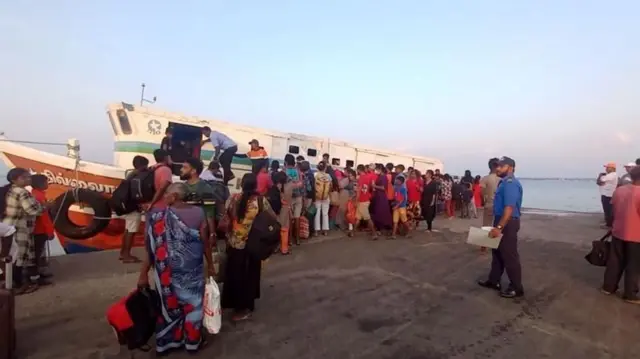
Until mid-July 2024, Sri Lanka detained 24 Indian trawlers and 181 fishermen. Even after that, multiple seizures of trawlers and fishermen took place between August and November.

The Real Crisis: Bottom Trawling and Environmental Destruction

Although Tamil Nadu claims the dispute centers on Katchatheevu, the reality is that Indian trawlers often enter Sri Lanka’s northern, northwestern, and even eastern coastal waters. Katchatheevu is merely a political cover—the main issue is unrestricted commercial bottom trawling.
Bottom trawling destroys seabed ecosystems, kills juvenile fish and ecologically critical species, and wastes nearly 30 percent of the total catch.
Where northern Sri Lanka once yielded 35,000 metric tons of fish in 1995, by 2023 the figure had dropped to just 17,000 metric tons—a clear sign of the silent collapse of what was once a prosperous fishing industry.

Political Opportunism

Whenever Sri Lanka detains trawlers that violate its maritime boundary, protests erupt in Tamil Nadu, and attempts are made to exert pressure on New Delhi. Katchatheevu quickly becomes an election issue.
Meanwhile, over the past fifty years, Sri Lanka has not stirred major political controversy over Katchatheevu beyond matters related to St. Anthony’s Church, its renovation, and its annual festival.
Need for Science-Based Solutions

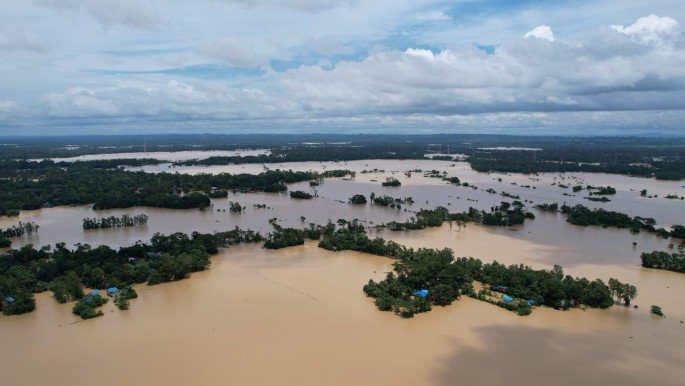
Although Katchatheevu’s ownership has been settled, the environmental crisis in the Palk Bay is becoming catastrophic. Now is the time to move beyond political profit and loss and adopt sustainable, science-based management.
Years ago, the Pathfinder Foundation proposed establishing a marine research center on Katchatheevu Island. Such a center could collaborate with national agencies (Fisheries Department, NARA, universities) and Indian research institutions to work on:

  • Assessing the damage caused by illegal bottom trawling
  • Monitoring biodiversity and environmental degradation
  • Documenting fish breeding and migration
  • Developing scientific guidelines for replenishing fish stocks
  • Facilitating bilateral scientific data exchange

Solar power, desalination plants, battery storage, and eco-friendly sanitation systems are now inexpensive—technological limitations are not a significant obstacle.

Urgent Need for India–Sri Lanka Marine Cooperation

Preventing the rapid decline of the Palk Bay requires close maritime cooperation between India and Sri Lanka. Instead of reopening settled agreements, science-based fisheries management will benefit both countries far more.
Sri Lanka must prioritize stability and sustainable development over political opportunism. In the interest of long-term national welfare, the Pathfinder Foundation stands ready to assist in future planning.

#Katchatheevu #India_SriLanka #PalkBay #FisheriesCrisis #Trawling #EnvironmentalCrisis #SarakhonReport

11:27:24 am, Saturday, 6 December 2025

Katchatheevu Issue: Beneath the Politics Lies a Crisis of Environment and Survival

11:27:24 am, Saturday, 6 December 2025

Although the political tension between India and Sri Lanka over Katchatheevu continues to dominate discussions, the real crisis runs much deeper—industrial-scale bottom trawling in the Palk Bay and the Gulf of Mannar, severe depletion of fish stocks, and rapid environmental degradation of the coastal zones of both countries. The core question today is not sovereignty, but survival.

Renewed Focus on the Katchatheevu Question

In recent times, fishermen, politicians, and the judiciary in both countries have again turned their attention to the island of Katchatheevu. After decades of discussion, the issue gained new momentum this September when Sri Lankan President Anura Kumara Dissanayake visited the island. For the first time, a Sri Lankan head of state showed direct interest in this long-standing dispute.
At the same time, although India’s Chief Justice Surya Kant did not comment directly, he emphasized the importance of environmental cooperation for long-term survival.

Border and Ownership Dispute

Through the 1974 and 1976 agreements, India and Sri Lanka established the International Maritime Boundary Line (IMBL). These agreements officially recognized Katchatheevu as Sri Lankan territory.
The agreements did not acknowledge the traditional fishing rights of Indian fishermen in Sri Lankan waters. Conversely, Sri Lankan fishermen lost access to their long-standing fishing grounds such as the Wadge Bank and Pedro Bank, which came under India’s control. Still, Indian fishermen continue to demand access based on traditional rights.

Why Tensions Persist Despite Agreements

Even though the agreements are in place, political and economic interests have kept the Katchatheevu and illegal fishing disputes alive. Tamil Nadu’s demand is not about sovereignty—their primary goal is to secure access to rich fishing grounds.
Until mid-July 2024, Sri Lanka detained 24 Indian trawlers and 181 fishermen. Even after that, multiple seizures of trawlers and fishermen took place between August and November.

The Real Crisis: Bottom Trawling and Environmental Destruction

Although Tamil Nadu claims the dispute centers on Katchatheevu, the reality is that Indian trawlers often enter Sri Lanka’s northern, northwestern, and even eastern coastal waters. Katchatheevu is merely a political cover—the main issue is unrestricted commercial bottom trawling.
Bottom trawling destroys seabed ecosystems, kills juvenile fish and ecologically critical species, and wastes nearly 30 percent of the total catch.
Where northern Sri Lanka once yielded 35,000 metric tons of fish in 1995, by 2023 the figure had dropped to just 17,000 metric tons—a clear sign of the silent collapse of what was once a prosperous fishing industry.

Political Opportunism

Whenever Sri Lanka detains trawlers that violate its maritime boundary, protests erupt in Tamil Nadu, and attempts are made to exert pressure on New Delhi. Katchatheevu quickly becomes an election issue.
Meanwhile, over the past fifty years, Sri Lanka has not stirred major political controversy over Katchatheevu beyond matters related to St. Anthony’s Church, its renovation, and its annual festival.

Need for Science-Based Solutions

Although Katchatheevu’s ownership has been settled, the environmental crisis in the Palk Bay is becoming catastrophic. Now is the time to move beyond political profit and loss and adopt sustainable, science-based management.
Years ago, the Pathfinder Foundation proposed establishing a marine research center on Katchatheevu Island. Such a center could collaborate with national agencies (Fisheries Department, NARA, universities) and Indian research institutions to work on:

  • Assessing the damage caused by illegal bottom trawling
  • Monitoring biodiversity and environmental degradation
  • Documenting fish breeding and migration
  • Developing scientific guidelines for replenishing fish stocks
  • Facilitating bilateral scientific data exchange

Solar power, desalination plants, battery storage, and eco-friendly sanitation systems are now inexpensive—technological limitations are not a significant obstacle.

Urgent Need for India–Sri Lanka Marine Cooperation

Preventing the rapid decline of the Palk Bay requires close maritime cooperation between India and Sri Lanka. Instead of reopening settled agreements, science-based fisheries management will benefit both countries far more.
Sri Lanka must prioritize stability and sustainable development over political opportunism. In the interest of long-term national welfare, the Pathfinder Foundation stands ready to assist in future planning.

#Katchatheevu #India_SriLanka #PalkBay #FisheriesCrisis #Trawling #EnvironmentalCrisis #SarakhonReport