11:22 pm, Saturday, 6 December 2025

Qatar Says Gaza Ceasefire at ‘Critical Moment’ as Mediators Push for Next Phase

Sarakhon Report

Regional diplomacy under pressure

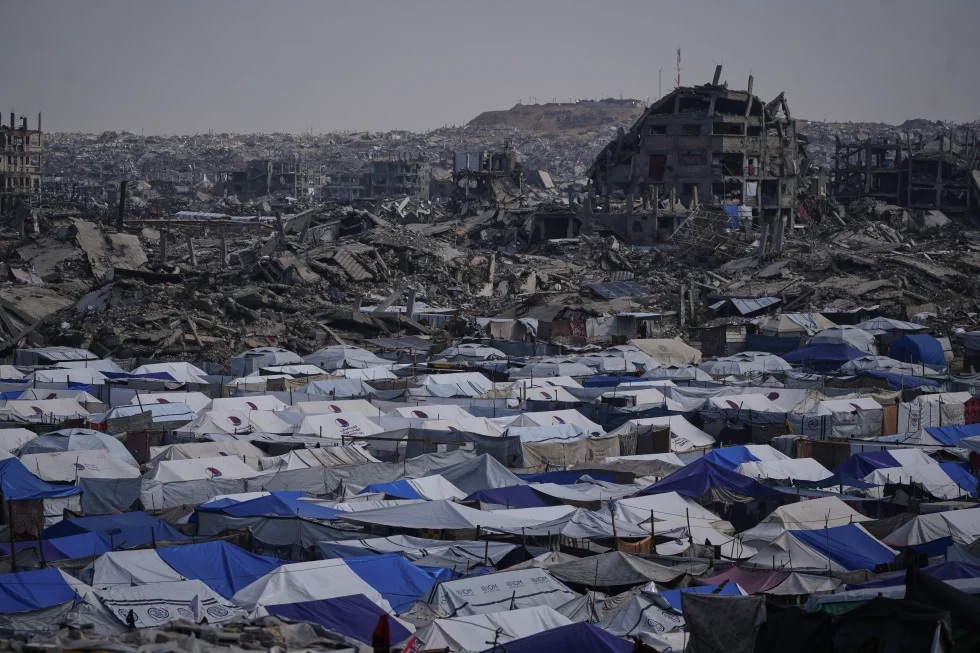
The fragile ceasefire in Gaza has entered what Qatar’s prime minister calls a “critical moment,” with mediators warning that the window to move into a more durable second phase is narrowing. He told an international forum in Doha that the first phase of the deal, focused on pauses in fighting and limited exchanges, has bought time but not yet changed realities on the ground. Diplomats from the United States, Egypt and Qatar are now trying to lock in a framework that would extend the truce, secure more hostage releases and open additional crossings for aid. Their challenge is to translate vague political commitments into specific timelines, verifiable steps and enforcement mechanisms that both Israel and Hamas can accept.
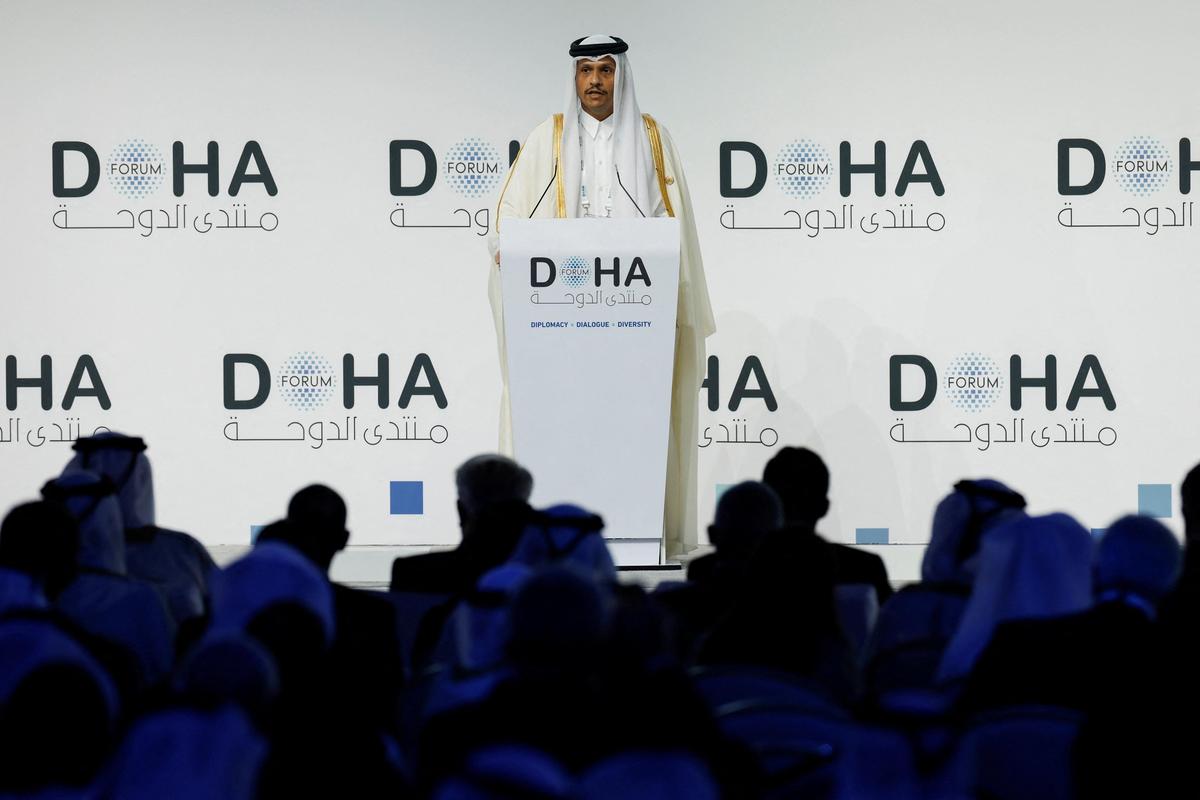
Qatari leader says Gaza ceasefire is at critical moment - The Hindu

Qatar’s role places it at the center of a highly contested regional landscape. It hosts political figures from Hamas while maintaining ties with Washington and European capitals, making it one of the few actors able to talk to all sides. Officials in Doha argue that any sustainable ceasefire must combine military de-escalation with humanitarian guarantees for civilians in Gaza and credible pathways toward reconstruction. Yet they also face criticism from some Western lawmakers who question Qatar’s leverage over armed groups and demand clearer benchmarks for progress. As talks drag on, pressure is growing on all three mediating states to show that diplomacy is delivering something more concrete than statements of concern.

Future of hostages and security arrangements

The next phase of the ceasefire framework is expected to center on the remaining Israeli hostages and the status of Palestinian detainees in Israeli prisons. Mediators are exploring staggered exchanges in which larger groups of detainees could be released in parallel with longer pauses in fighting. Security officials warn that the longer negotiations last without tangible results, the greater the risk that hardliners on both sides will try to sabotage the process. The Israeli government faces domestic anger over hostages still in captivity, while Hamas leaders have to balance battlefield realities with their own internal factions.
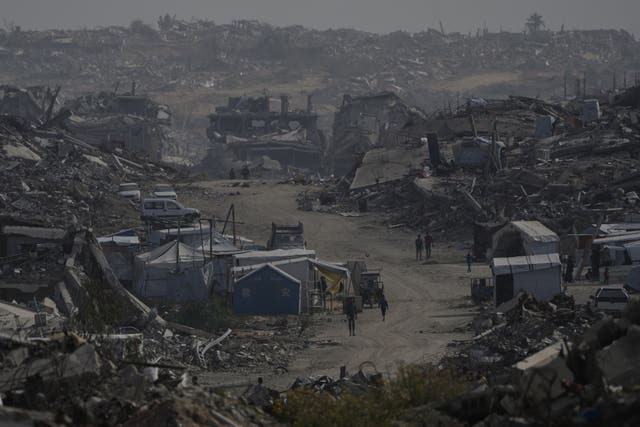
Qatari leader says Gaza ceasefire is at a critical moment | Peeblesshire  News

Regional governments are also watching closely, fearing that a collapse in talks could spill over into neighbouring countries. Border communities in Egypt and Jordan are already managing the knock-on effects of displacement, disrupted trade and rising public anger. For Qatar, the reputational stakes are high: success would reinforce its image as an indispensable broker, while failure would revive old accusations that dialogue with armed groups is a dead end. Analysts say the coming days will likely determine whether the current ceasefire evolves into a more durable arrangement or gives way to a renewed and possibly more intense cycle of violence.
07:20:29 pm, Saturday, 6 December 2025

Qatar Says Gaza Ceasefire at ‘Critical Moment’ as Mediators Push for Next Phase

07:20:29 pm, Saturday, 6 December 2025

Regional diplomacy under pressure

The fragile ceasefire in Gaza has entered what Qatar’s prime minister calls a “critical moment,” with mediators warning that the window to move into a more durable second phase is narrowing. He told an international forum in Doha that the first phase of the deal, focused on pauses in fighting and limited exchanges, has bought time but not yet changed realities on the ground. Diplomats from the United States, Egypt and Qatar are now trying to lock in a framework that would extend the truce, secure more hostage releases and open additional crossings for aid. Their challenge is to translate vague political commitments into specific timelines, verifiable steps and enforcement mechanisms that both Israel and Hamas can accept.

Qatari leader says Gaza ceasefire is at critical moment - The Hindu

Qatar’s role places it at the center of a highly contested regional landscape. It hosts political figures from Hamas while maintaining ties with Washington and European capitals, making it one of the few actors able to talk to all sides. Officials in Doha argue that any sustainable ceasefire must combine military de-escalation with humanitarian guarantees for civilians in Gaza and credible pathways toward reconstruction. Yet they also face criticism from some Western lawmakers who question Qatar’s leverage over armed groups and demand clearer benchmarks for progress. As talks drag on, pressure is growing on all three mediating states to show that diplomacy is delivering something more concrete than statements of concern.

Future of hostages and security arrangements

The next phase of the ceasefire framework is expected to center on the remaining Israeli hostages and the status of Palestinian detainees in Israeli prisons. Mediators are exploring staggered exchanges in which larger groups of detainees could be released in parallel with longer pauses in fighting. Security officials warn that the longer negotiations last without tangible results, the greater the risk that hardliners on both sides will try to sabotage the process. The Israeli government faces domestic anger over hostages still in captivity, while Hamas leaders have to balance battlefield realities with their own internal factions.

Qatari leader says Gaza ceasefire is at a critical moment | Peeblesshire  News

Regional governments are also watching closely, fearing that a collapse in talks could spill over into neighbouring countries. Border communities in Egypt and Jordan are already managing the knock-on effects of displacement, disrupted trade and rising public anger. For Qatar, the reputational stakes are high: success would reinforce its image as an indispensable broker, while failure would revive old accusations that dialogue with armed groups is a dead end. Analysts say the coming days will likely determine whether the current ceasefire evolves into a more durable arrangement or gives way to a renewed and possibly more intense cycle of violence.