11:21 pm, Saturday, 6 December 2025

Google’s Android Update, Sony’s A7 V and New Gadgets Shape a Busy Week in Tech

Sarakhon Report

Phones, cameras and everyday devices get smarter

A new Android feature update is rolling out to Pixel phones, while hardware makers are pushing fresh devices into a crowded holiday market. Google’s latest software drop focuses less on flashy redesigns and more on practical tools that make phones feel more responsive and integrated with the rest of a user’s digital life. The update adds smarter call screening, tighter integration with Google’s password manager and small but visible tweaks to on-device AI helpers. For many users, this kind of iteration matters more than a once-a-year overhaul, because it quietly fixes the rough edges of everyday tasks like messaging, payments and photo sharing. Tech analysts say it also hints at how much Google now views phones as the hub for a broader, AI-driven ecosystem of devices and services.

Google To Allow 7 Years of Software Updates For Android Devices

At the same time, the software update is a reminder of how fragmented the Android world remains. Owners of Google’s own phones are getting these features first, while many other models will have to wait for hardware makers and carriers to test and certify the changes. That delay highlights the long-standing tension between Android’s openness and the industry’s need for consistency. Developers welcome the new privacy and security controls but say they will be watching closely to see whether the update creates any unexpected compatibility issues for popular apps. For now, the message from Google is that small, frequent upgrades are here to stay, rather than big, disruptive leaps that leave older devices behind.

High-end camera arms race picks up pace

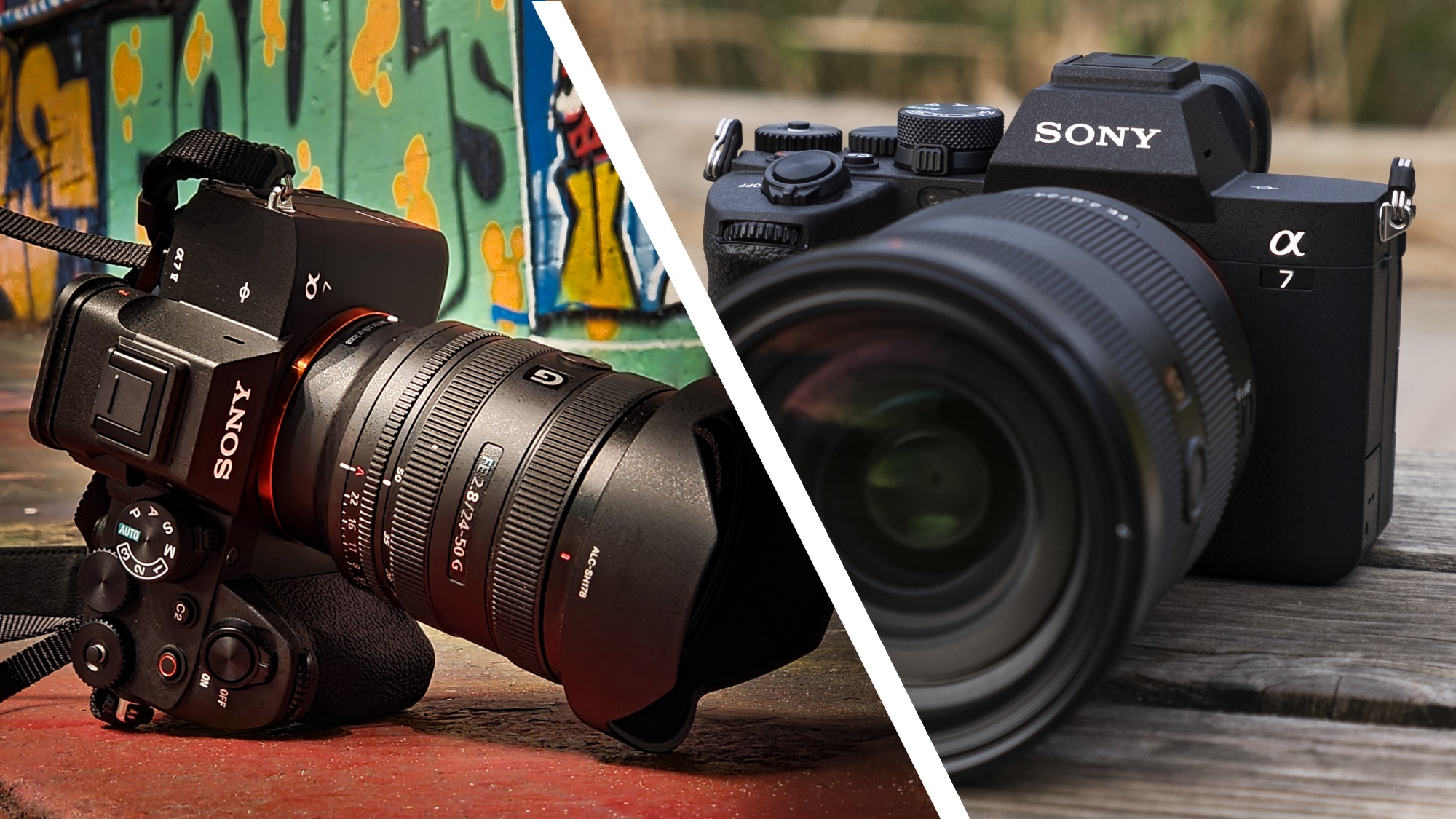
On the hardware front, Sony’s full-frame A7 V mirrorless camera has emerged as one of the week’s most talked-about gadgets. It is aimed squarely at serious photographers and hybrid creators who want one device that can handle both high-resolution stills and polished video. The camera promises faster autofocus, improved low-light performance and smarter subject tracking powered by on-board processing. For content creators used to juggling multiple bodies and lenses, the A7 V is being pitched as a workhorse that can move seamlessly from studio setups to fast-moving events or travel shoots.

Sony Alpha A7 review - Digital Trends

The broader gear landscape is also shifting in ways that blur the line between phones, tablets and laptops. New foldable and tri-fold concepts are pushing display sizes ever larger without abandoning portability, while accessories like e-reader remotes and upgraded earbuds add small but meaningful conveniences. The through-line is that hardware makers are betting on users who want flexible setups rather than a single “do-everything” device. Together with Google’s software update, this week’s launches underscore how much the tech industry is leaning on iterative improvements, incremental AI features and ecosystem lock-in to keep users upgrading—even when headline-grabbing breakthroughs are scarce.

07:28:01 pm, Saturday, 6 December 2025

Google’s Android Update, Sony’s A7 V and New Gadgets Shape a Busy Week in Tech

07:28:01 pm, Saturday, 6 December 2025

Phones, cameras and everyday devices get smarter

A new Android feature update is rolling out to Pixel phones, while hardware makers are pushing fresh devices into a crowded holiday market. Google’s latest software drop focuses less on flashy redesigns and more on practical tools that make phones feel more responsive and integrated with the rest of a user’s digital life. The update adds smarter call screening, tighter integration with Google’s password manager and small but visible tweaks to on-device AI helpers. For many users, this kind of iteration matters more than a once-a-year overhaul, because it quietly fixes the rough edges of everyday tasks like messaging, payments and photo sharing. Tech analysts say it also hints at how much Google now views phones as the hub for a broader, AI-driven ecosystem of devices and services.

Google To Allow 7 Years of Software Updates For Android Devices

At the same time, the software update is a reminder of how fragmented the Android world remains. Owners of Google’s own phones are getting these features first, while many other models will have to wait for hardware makers and carriers to test and certify the changes. That delay highlights the long-standing tension between Android’s openness and the industry’s need for consistency. Developers welcome the new privacy and security controls but say they will be watching closely to see whether the update creates any unexpected compatibility issues for popular apps. For now, the message from Google is that small, frequent upgrades are here to stay, rather than big, disruptive leaps that leave older devices behind.

High-end camera arms race picks up pace

On the hardware front, Sony’s full-frame A7 V mirrorless camera has emerged as one of the week’s most talked-about gadgets. It is aimed squarely at serious photographers and hybrid creators who want one device that can handle both high-resolution stills and polished video. The camera promises faster autofocus, improved low-light performance and smarter subject tracking powered by on-board processing. For content creators used to juggling multiple bodies and lenses, the A7 V is being pitched as a workhorse that can move seamlessly from studio setups to fast-moving events or travel shoots.

Sony Alpha A7 review - Digital Trends

The broader gear landscape is also shifting in ways that blur the line between phones, tablets and laptops. New foldable and tri-fold concepts are pushing display sizes ever larger without abandoning portability, while accessories like e-reader remotes and upgraded earbuds add small but meaningful conveniences. The through-line is that hardware makers are betting on users who want flexible setups rather than a single “do-everything” device. Together with Google’s software update, this week’s launches underscore how much the tech industry is leaning on iterative improvements, incremental AI features and ecosystem lock-in to keep users upgrading—even when headline-grabbing breakthroughs are scarce.