11:22 pm, Saturday, 6 December 2025

Qatar Presses EU Over Sustainability Laws, Hints at Gas Supply Risks

Sarakhon Report

Energy policy meets corporate compliance fears

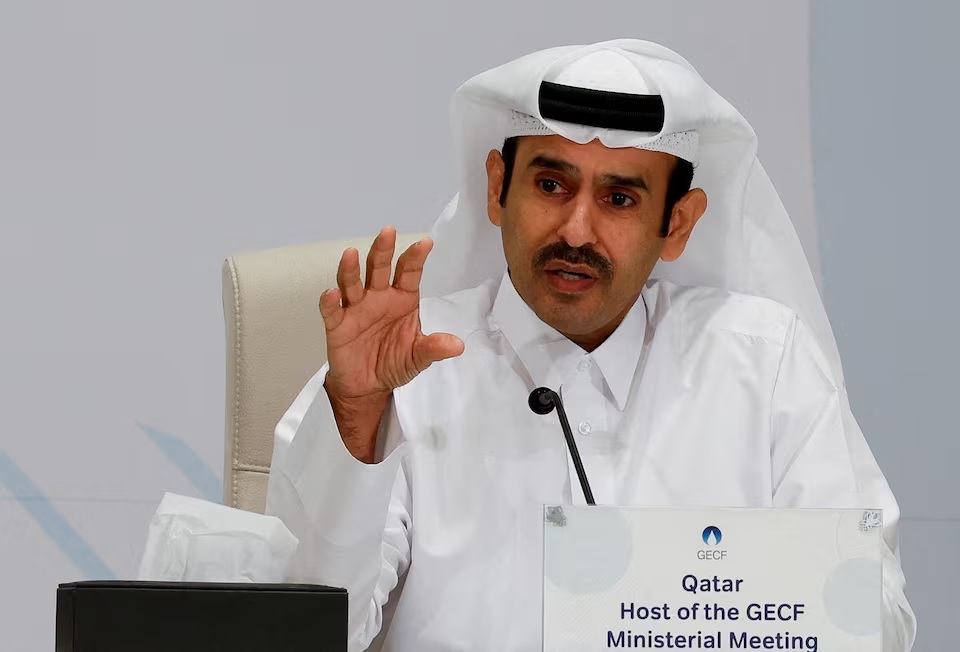
Qatar’s energy minister has urged the European Union to resolve corporate concerns over its new sustainability laws by the end of the year, warning that prolonged uncertainty could affect long-term gas commitments. The debate centers on the EU’s Corporate Sustainability Due Diligence Directive, which requires large companies to scrutinize their supply chains for environmental and human-rights risks. European firms that buy Qatari gas say they are unsure how their contracts and joint ventures will be treated under the new rules. Officials in Doha have publicly voiced frustration, even raising the prospect that gas supplies could be halted if regulations are perceived as unfair or excessively burdensome. That was widely read as a deliberate reminder of how central Qatari liquefied natural gas has become to Europe’s post-Ukraine energy strategy.

Doha Forum 2025

For the EU, the standoff exposes a broader dilemma. On paper, the bloc wants to lead the world in climate regulation without undermining its own energy security or industrial competitiveness. In practice, the shift away from Russian gas has left European capitals more dependent on imports from partners like Qatar. Energy companies say they support clearer standards but fear that overlapping rules from Brussels and national governments will drive up costs and slow investment. Climate campaigners, meanwhile, warn that watering down the directive would send a message that powerful exporters can pressure regulators into softening green rules. The next few weeks will determine whether negotiators can craft guidance that reassures suppliers while still keeping the EU’s climate ambitions intact.

Balancing green ambitions with real-world energy needs

Qatar’s pressure campaign comes at a time when global gas markets remain tight and long-term contracts are becoming more attractive to both buyers and sellers. European utilities, still scarred by price spikes and shortages, have been signing multi-decade deals to secure supply through the 2030s and beyond. Some of those agreements involve new Qatari export projects that will start producing later this decade. If legal uncertainty around sustainability rules lingers, it could complicate financing and delay final investment decisions on both sides. Analysts stress that even in aggressive decarbonization scenarios, Europe will need gas for years as it retires coal, scales up renewables and builds out storage.

Doha Forum 2025

At the same time, governments are facing pressure from voters hit by high bills and from industries worried about losing ground to less regulated competitors. Policymakers in Brussels are therefore trying to calibrate climate measures in a way that keeps investment flowing while still pushing companies to cut emissions and improve transparency. Doha’s comments will likely strengthen the hand of EU voices arguing for clearer, more flexible implementation rather than new layers of requirements. But they also highlight a deeper reality: in a world where fossil fuels still dominate, climate policy is inseparable from geopolitical bargaining. The outcome of this dispute will signal how far Europe is prepared to go in enforcing its green rulebook when critical energy suppliers push back.
07:36:23 pm, Saturday, 6 December 2025

Qatar Presses EU Over Sustainability Laws, Hints at Gas Supply Risks

07:36:23 pm, Saturday, 6 December 2025

Energy policy meets corporate compliance fears

Qatar’s energy minister has urged the European Union to resolve corporate concerns over its new sustainability laws by the end of the year, warning that prolonged uncertainty could affect long-term gas commitments. The debate centers on the EU’s Corporate Sustainability Due Diligence Directive, which requires large companies to scrutinize their supply chains for environmental and human-rights risks. European firms that buy Qatari gas say they are unsure how their contracts and joint ventures will be treated under the new rules. Officials in Doha have publicly voiced frustration, even raising the prospect that gas supplies could be halted if regulations are perceived as unfair or excessively burdensome. That was widely read as a deliberate reminder of how central Qatari liquefied natural gas has become to Europe’s post-Ukraine energy strategy.

Doha Forum 2025

For the EU, the standoff exposes a broader dilemma. On paper, the bloc wants to lead the world in climate regulation without undermining its own energy security or industrial competitiveness. In practice, the shift away from Russian gas has left European capitals more dependent on imports from partners like Qatar. Energy companies say they support clearer standards but fear that overlapping rules from Brussels and national governments will drive up costs and slow investment. Climate campaigners, meanwhile, warn that watering down the directive would send a message that powerful exporters can pressure regulators into softening green rules. The next few weeks will determine whether negotiators can craft guidance that reassures suppliers while still keeping the EU’s climate ambitions intact.

Balancing green ambitions with real-world energy needs

Qatar’s pressure campaign comes at a time when global gas markets remain tight and long-term contracts are becoming more attractive to both buyers and sellers. European utilities, still scarred by price spikes and shortages, have been signing multi-decade deals to secure supply through the 2030s and beyond. Some of those agreements involve new Qatari export projects that will start producing later this decade. If legal uncertainty around sustainability rules lingers, it could complicate financing and delay final investment decisions on both sides. Analysts stress that even in aggressive decarbonization scenarios, Europe will need gas for years as it retires coal, scales up renewables and builds out storage.

Doha Forum 2025

At the same time, governments are facing pressure from voters hit by high bills and from industries worried about losing ground to less regulated competitors. Policymakers in Brussels are therefore trying to calibrate climate measures in a way that keeps investment flowing while still pushing companies to cut emissions and improve transparency. Doha’s comments will likely strengthen the hand of EU voices arguing for clearer, more flexible implementation rather than new layers of requirements. But they also highlight a deeper reality: in a world where fossil fuels still dominate, climate policy is inseparable from geopolitical bargaining. The outcome of this dispute will signal how far Europe is prepared to go in enforcing its green rulebook when critical energy suppliers push back.