11:19 pm, Saturday, 6 December 2025

Japan’s Record Bear Attacks Raise Alarms Over Wildlife Management

Sarakhon Report

Human–wildlife conflict in a changing countryside

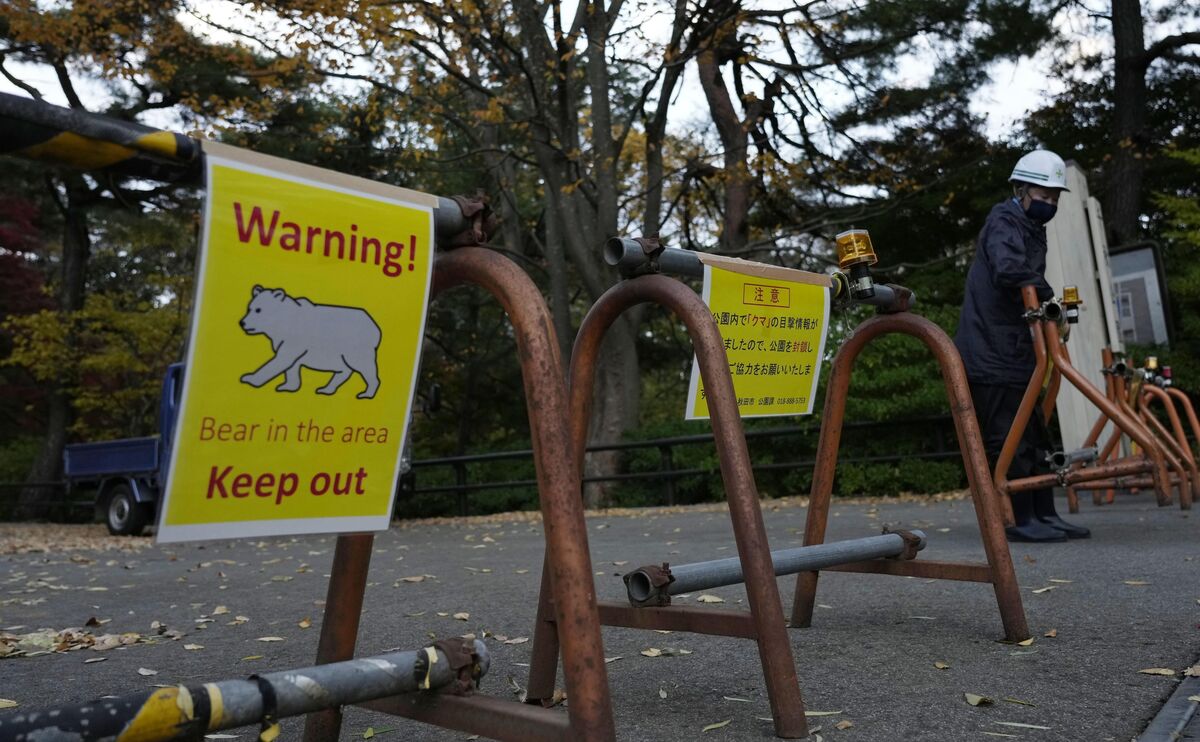
Japan has recorded its highest number of bear-related casualties since April, with around 230 people killed or injured in encounters that span several prefectures. Wildlife officials say the surge reflects a mix of factors: shrinking natural food sources, aging rural communities and abandoned farmland that blurs the boundary between forest and human settlement. In some areas, black bears have been spotted wandering through small towns in broad daylight, raiding persimmon trees and garbage bins as traditional deterrents prove less effective. Local governments are rushing to install warning loudspeakers, set traps and offer training on how to respond if a bear appears near homes or schools.
Japan's Bear-Related Casualties Hit Record on Escalating Attacks - Bloomberg

The spike has reopened political debates over hunting quotas and conservation priorities. Japan’s bear populations, once heavily culled, recovered in several regions after earlier protections, but authorities now face pressure from residents demanding more aggressive control measures. Conservationists argue that simply increasing culls risks wiping out local populations and ignores deeper causes such as climate-linked shifts in vegetation and long-term land-use change. Rural mayors, however, point to frightened residents and strained local budgets, saying they cannot wait for national-level policy reviews before acting. The national government is being urged to update its wildlife management plans, strengthen data collection and give municipalities more resources to balance public safety with biodiversity goals.

Balancing safety, tradition and conservation

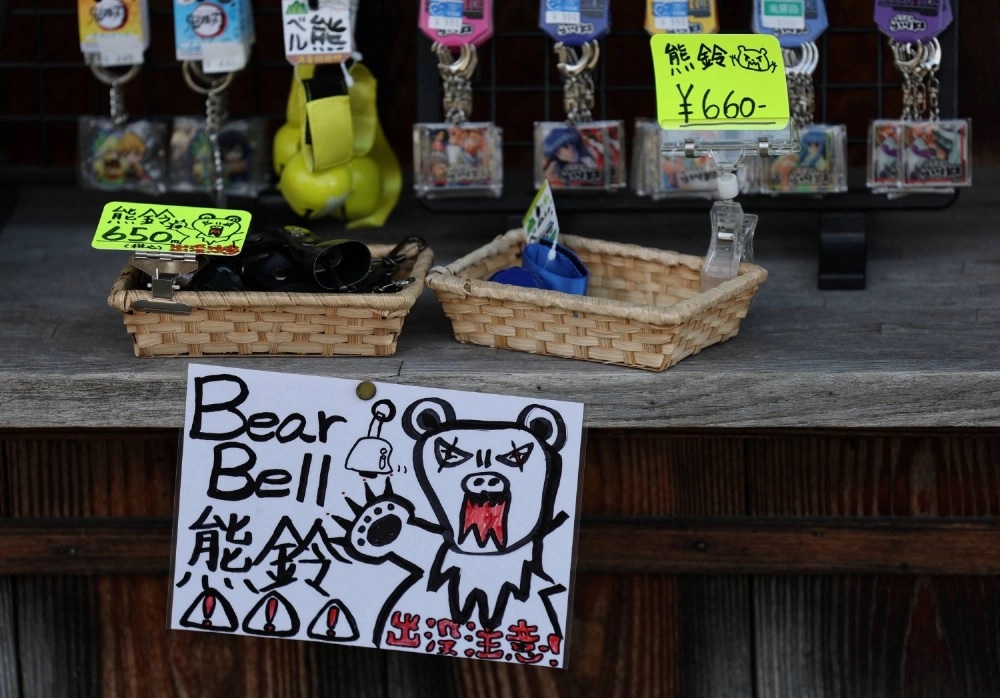
Beyond the statistics, bear encounters are reshaping everyday life in parts of rural Japan. Some villagers now avoid early-morning farm work or evening walks, while schoolchildren travel in supervised groups along routes cleared of dense brush. Tourism operators in affected regions are trying to reassure visitors by promoting guided hikes, clear signage and safety briefings. At the same time, traditional cultural attitudes toward bears—as powerful but respected creatures of the mountains—are being tested by a new generation that mostly knows them through alarming news clips. Community groups are holding meetings to share practical advice, from securing food waste to carrying bells that warn animals of approaching people.
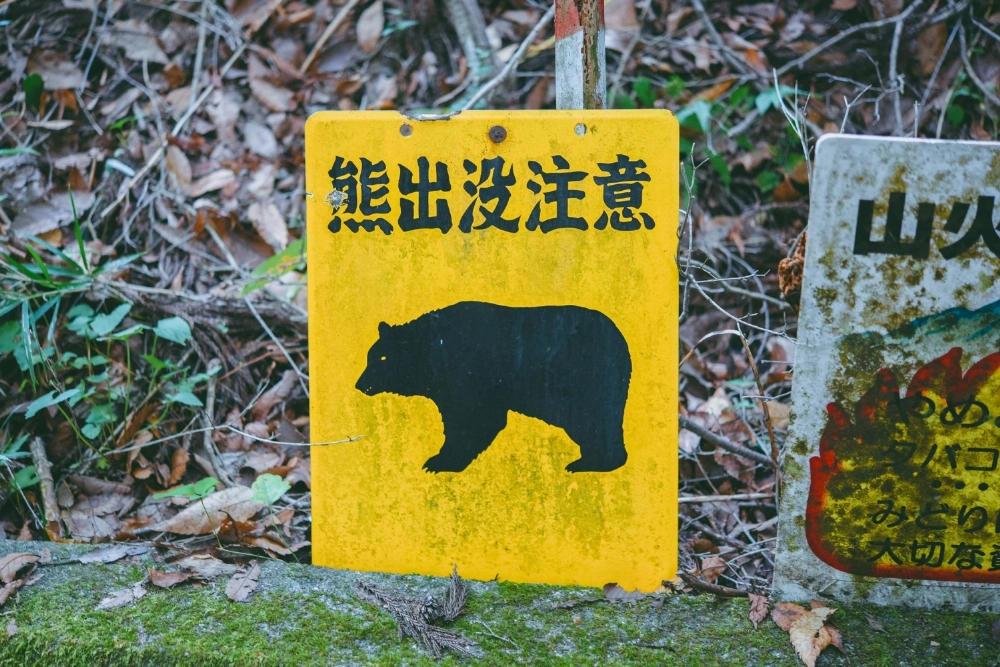
A bear warning sign. More and more wild bears have been spotted in Japan in recent years, even in residential areas, due to factors including a declining human population and climate change.

Experts say the current surge should be treated as a warning rather than a one-off anomaly. Japan’s population is aging and shrinking, especially in rural areas, leaving more land unmanaged and more homes empty at the forest edge. That creates ideal corridors for wildlife to move closer to towns in search of food. Climate variability can also affect acorn and nut harvests, pushing hungry bears downslope in lean years. Long-term solutions being discussed include restoring natural habitats, diversifying forest cover, and investing in early-warning systems that combine local reporting with sensor networks and mapping tools. The challenge for policymakers is to craft a strategy that protects rural communities without erasing the very wildlife that makes Japan’s landscapes unique.


07:43:06 pm, Saturday, 6 December 2025

Japan’s Record Bear Attacks Raise Alarms Over Wildlife Management

07:43:06 pm, Saturday, 6 December 2025

Human–wildlife conflict in a changing countryside

Japan has recorded its highest number of bear-related casualties since April, with around 230 people killed or injured in encounters that span several prefectures. Wildlife officials say the surge reflects a mix of factors: shrinking natural food sources, aging rural communities and abandoned farmland that blurs the boundary between forest and human settlement. In some areas, black bears have been spotted wandering through small towns in broad daylight, raiding persimmon trees and garbage bins as traditional deterrents prove less effective. Local governments are rushing to install warning loudspeakers, set traps and offer training on how to respond if a bear appears near homes or schools.

Japan's Bear-Related Casualties Hit Record on Escalating Attacks - Bloomberg

The spike has reopened political debates over hunting quotas and conservation priorities. Japan’s bear populations, once heavily culled, recovered in several regions after earlier protections, but authorities now face pressure from residents demanding more aggressive control measures. Conservationists argue that simply increasing culls risks wiping out local populations and ignores deeper causes such as climate-linked shifts in vegetation and long-term land-use change. Rural mayors, however, point to frightened residents and strained local budgets, saying they cannot wait for national-level policy reviews before acting. The national government is being urged to update its wildlife management plans, strengthen data collection and give municipalities more resources to balance public safety with biodiversity goals.

Balancing safety, tradition and conservation

Beyond the statistics, bear encounters are reshaping everyday life in parts of rural Japan. Some villagers now avoid early-morning farm work or evening walks, while schoolchildren travel in supervised groups along routes cleared of dense brush. Tourism operators in affected regions are trying to reassure visitors by promoting guided hikes, clear signage and safety briefings. At the same time, traditional cultural attitudes toward bears—as powerful but respected creatures of the mountains—are being tested by a new generation that mostly knows them through alarming news clips. Community groups are holding meetings to share practical advice, from securing food waste to carrying bells that warn animals of approaching people.

A bear warning sign. More and more wild bears have been spotted in Japan in recent years, even in residential areas, due to factors including a declining human population and climate change.

Experts say the current surge should be treated as a warning rather than a one-off anomaly. Japan’s population is aging and shrinking, especially in rural areas, leaving more land unmanaged and more homes empty at the forest edge. That creates ideal corridors for wildlife to move closer to towns in search of food. Climate variability can also affect acorn and nut harvests, pushing hungry bears downslope in lean years. Long-term solutions being discussed include restoring natural habitats, diversifying forest cover, and investing in early-warning systems that combine local reporting with sensor networks and mapping tools. The challenge for policymakers is to craft a strategy that protects rural communities without erasing the very wildlife that makes Japan’s landscapes unique.