8:20 pm, Tuesday, 9 December 2025

CAMBODIA–THAILAND BORDER CLASHES STIR FEARS OF A WIDER MEKONG FLASHPOINT

Sarakhon Report

Border firefights displace villagers and strain ASEAN diplomacy
Heavy exchanges of artillery and small-arms fire along the Cambodia–Thailand frontier have turned a long-running border dispute into one of mainland Southeast Asia’s most volatile flashpoints. Officials on both sides reported casualties among soldiers and civilians after overnight shelling near contested temples and villages, forcing hundreds of families to flee schools, markets and farmland. Local authorities have opened temporary shelters in provincial towns, but many residents are choosing to stay close to their homes, hoping a fragile ceasefire can still hold.

Bangkok and Phnom Penh are trading accusations over who fired first, each claiming to be acting in self-defence. Thailand says Cambodian troops crossed into its territory and targeted military outposts, while Cambodia insists Thai artillery fire hit homes and pagodas. The escalation comes despite a nominal ceasefire brokered earlier this year, underscoring how quickly mistrust can overwhelm talks when troops are deployed within sight of each other. Border commanders have established ad-hoc hotlines, yet villagers complain of getting little advance warning before the next round of blasts.

Regional diplomats worry the confrontation could drag in domestic politics and nationalist sentiment in both countries. Thailand’s government, under pressure at home over economic stagnation and protests, is keen to avoid looking weak on territorial issues. Cambodia’s new leadership, meanwhile, is trying to prove it can protect sovereignty while still attracting Thai trade and tourism. Any miscalculation, analysts warn, could unsettle cross-border supply chains for food, construction materials and migrant labour that tie the two economies together.

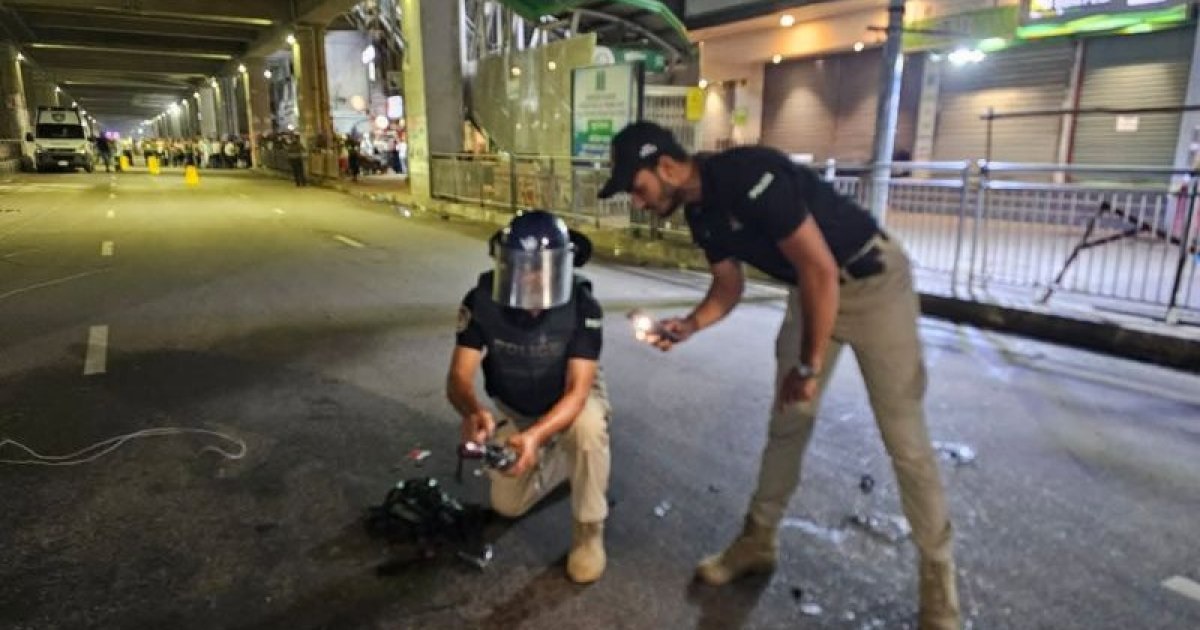
Thai police fire tear gas at Cambodian protesters at a disputed border  village | Reuters

ASEAN’s role tested as civilians pay the price
The clashes are also testing the crisis-management capacity of the Association of Southeast Asian Nations. Foreign ministers from neighbouring states have urged restraint, but so far there is no sign of an emergency regional summit or formal mediation team heading to the border. Security experts say ASEAN’s consensus-driven model makes it hard to move quickly when two member states blame each other and resist outside involvement. That leaves local commanders managing de-escalation day by day, often without clear political backing.

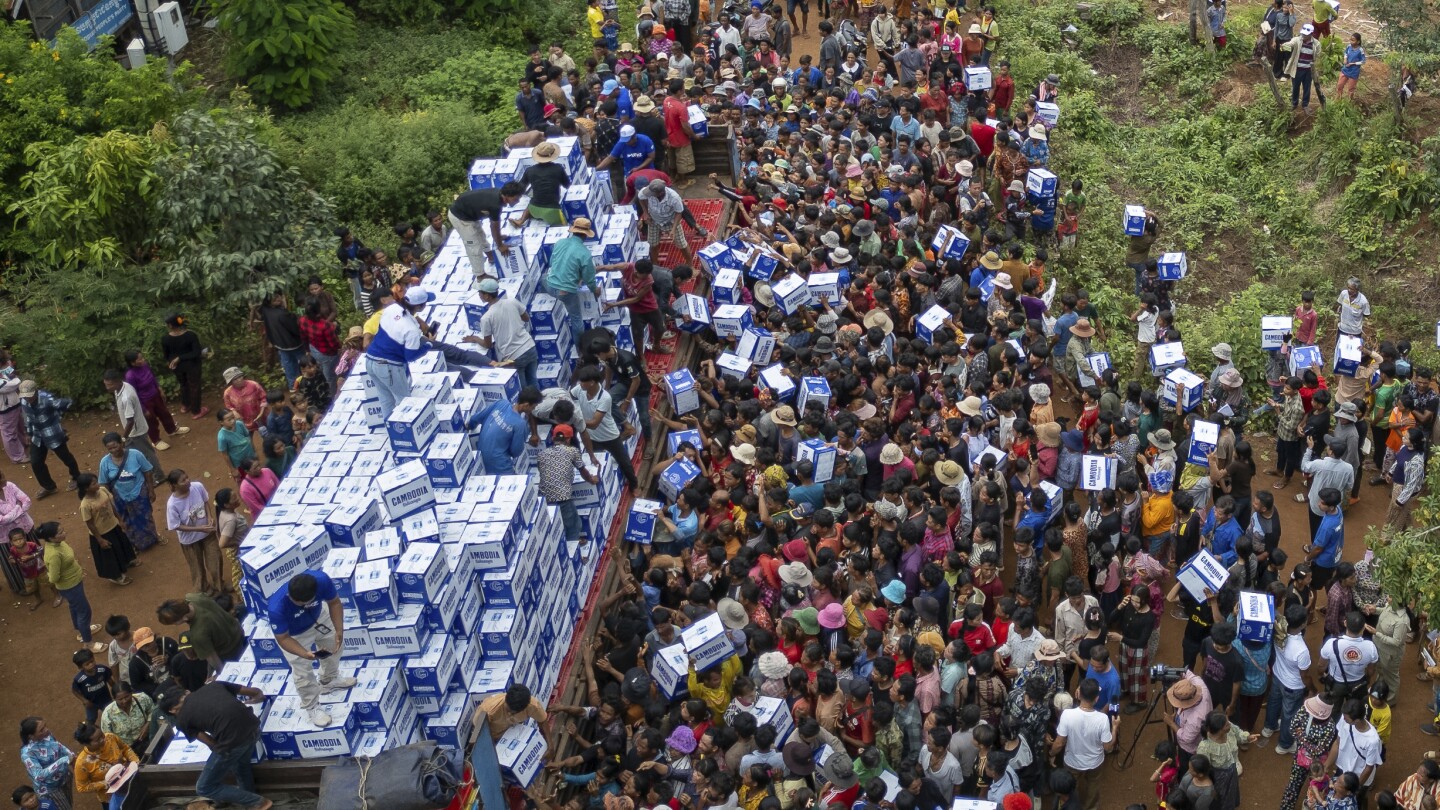
Humanitarian agencies are tracking the situation closely, especially in rural districts where health services and clean water are already stretched. Displaced families sheltering in schools and temples face shortages of food, bedding and medicine if the standoff becomes prolonged. Cross-border traders have reported delays and surprise checkpoint closures, disrupting the movement of rice, fuel and consumer goods. Tourism operators fear renewed violence could scare away visitors just as the region tries to rebuild after years of pandemic-era losses.

Residents on both sides say they are exhausted by recurring cycles of shelling, ceasefires and fragile calm. Older villagers recall previous rounds of fighting that destroyed homes and left unexploded ordnance in rice fields and forests. Local civil society groups are calling for transparent investigations into alleged shelling of civilian areas and for both governments to publish clear maps of the contested zones. For now, though, the border remains on edge, with ordinary people hoping that regional diplomacy will move faster than the next volley of artillery.
05:32:25 pm, Tuesday, 9 December 2025

CAMBODIA–THAILAND BORDER CLASHES STIR FEARS OF A WIDER MEKONG FLASHPOINT

05:32:25 pm, Tuesday, 9 December 2025

Border firefights displace villagers and strain ASEAN diplomacy
Heavy exchanges of artillery and small-arms fire along the Cambodia–Thailand frontier have turned a long-running border dispute into one of mainland Southeast Asia’s most volatile flashpoints. Officials on both sides reported casualties among soldiers and civilians after overnight shelling near contested temples and villages, forcing hundreds of families to flee schools, markets and farmland. Local authorities have opened temporary shelters in provincial towns, but many residents are choosing to stay close to their homes, hoping a fragile ceasefire can still hold.

Bangkok and Phnom Penh are trading accusations over who fired first, each claiming to be acting in self-defence. Thailand says Cambodian troops crossed into its territory and targeted military outposts, while Cambodia insists Thai artillery fire hit homes and pagodas. The escalation comes despite a nominal ceasefire brokered earlier this year, underscoring how quickly mistrust can overwhelm talks when troops are deployed within sight of each other. Border commanders have established ad-hoc hotlines, yet villagers complain of getting little advance warning before the next round of blasts.

Regional diplomats worry the confrontation could drag in domestic politics and nationalist sentiment in both countries. Thailand’s government, under pressure at home over economic stagnation and protests, is keen to avoid looking weak on territorial issues. Cambodia’s new leadership, meanwhile, is trying to prove it can protect sovereignty while still attracting Thai trade and tourism. Any miscalculation, analysts warn, could unsettle cross-border supply chains for food, construction materials and migrant labour that tie the two economies together.

Thai police fire tear gas at Cambodian protesters at a disputed border  village | Reuters

ASEAN’s role tested as civilians pay the price
The clashes are also testing the crisis-management capacity of the Association of Southeast Asian Nations. Foreign ministers from neighbouring states have urged restraint, but so far there is no sign of an emergency regional summit or formal mediation team heading to the border. Security experts say ASEAN’s consensus-driven model makes it hard to move quickly when two member states blame each other and resist outside involvement. That leaves local commanders managing de-escalation day by day, often without clear political backing.

Humanitarian agencies are tracking the situation closely, especially in rural districts where health services and clean water are already stretched. Displaced families sheltering in schools and temples face shortages of food, bedding and medicine if the standoff becomes prolonged. Cross-border traders have reported delays and surprise checkpoint closures, disrupting the movement of rice, fuel and consumer goods. Tourism operators fear renewed violence could scare away visitors just as the region tries to rebuild after years of pandemic-era losses.

Residents on both sides say they are exhausted by recurring cycles of shelling, ceasefires and fragile calm. Older villagers recall previous rounds of fighting that destroyed homes and left unexploded ordnance in rice fields and forests. Local civil society groups are calling for transparent investigations into alleged shelling of civilian areas and for both governments to publish clear maps of the contested zones. For now, though, the border remains on edge, with ordinary people hoping that regional diplomacy will move faster than the next volley of artillery.