Southeast Asia’s offshore wind boom contrasts with Trump’s anti-renewable push

New projects surge from Vietnam to the Philippines
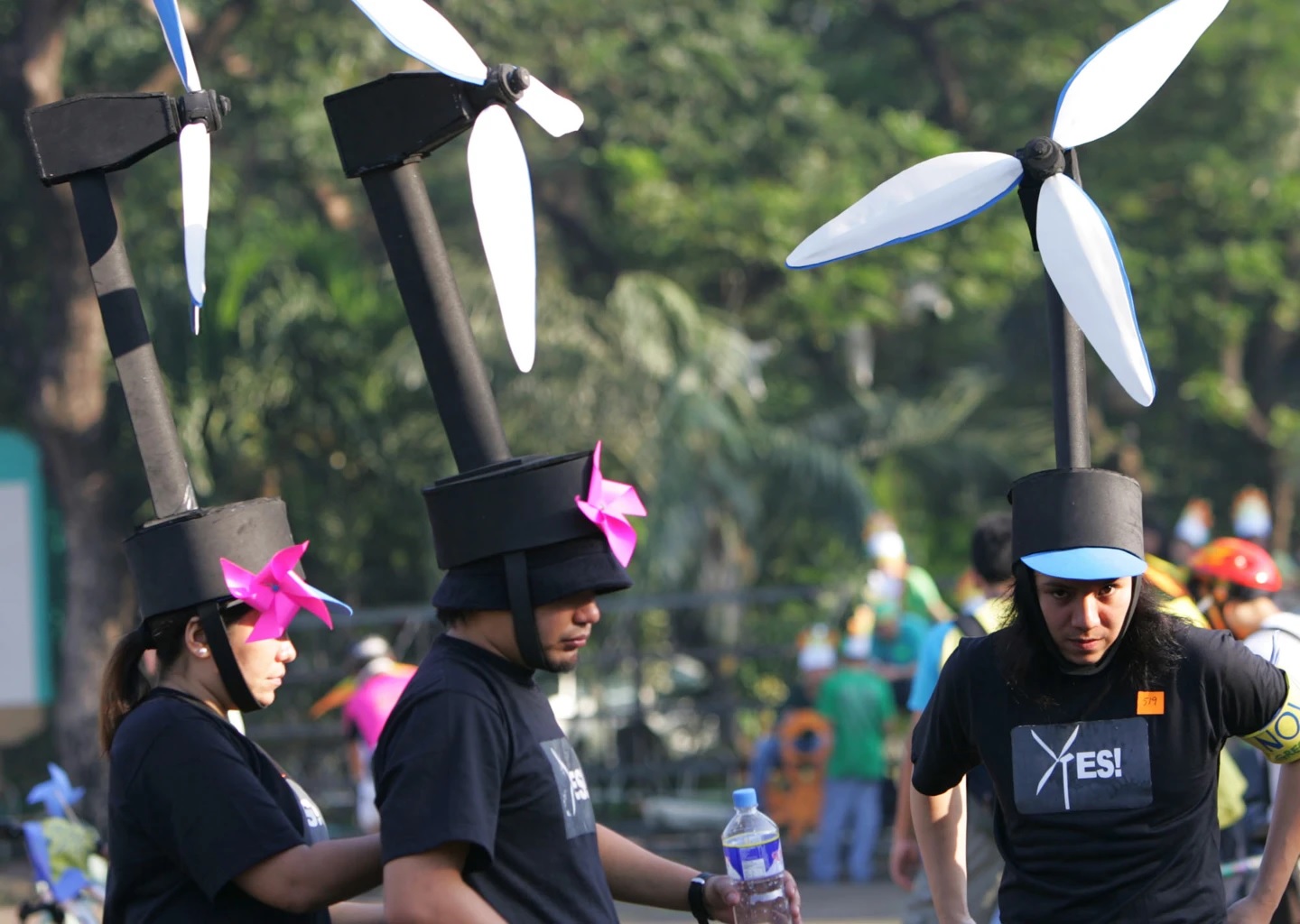
Southeast Asia is emerging as a rare bright spot for the global offshore wind industry, just as developers in Europe and North America struggle with high costs and political headwinds. An Associated Press report notes that energy companies are lining up projects off the coasts of Vietnam, the Philippines and other regional states, attracted by strong winds, shallow waters and governments eager to shift away from coal while keeping lights on for growing cities. New tenders and pilot farms are testing whether the region can leapfrog from fossil fuel dependency to large-scale renewables in a single decade.
International developers see an opportunity to build supply chains and port infrastructure at lower cost than in mature markets, while local firms hope to develop homegrown expertise in turbine assembly, marine construction and grid integration. Yet financing remains fragile, with higher borrowing costs and currency risks forcing some projects to be restructured. Environmental advocates are also pushing governments to ensure local fishing communities are consulted and that projects avoid sensitive marine ecosystems, arguing that clean power cannot come at the expense of coastal livelihoods.
Trump’s rhetoric jars with climate urgency
The regional momentum stands in stark contrast to former U.S. President Donald Trump’s renewed attacks on renewable energy, including offshore wind, as he campaigns on promises to revive fossil fuels. His speeches have targeted turbines as costly eyesores and threats to wildlife, even as scientists warn that delaying low-carbon investment will lock in more extreme floods, heatwaves and sea-level rise. For Southeast Asian countries on the front line of climate impacts, Washington’s political seesaw underlines the risk of depending on a single global power for climate finance or technology partnerships.
Policy analysts say the region’s offshore wind push could still stumble if governments send mixed signals, for example by approving new coal plants while talking up green ambitions. Grid upgrades, long environmental permitting processes and cross-border power trade rules may also slow deployment. But if even a portion of the announced projects are built, they could reduce reliance on imported fuel, cut power price volatility and create thousands of skilled jobs from shipyards to engineering firms. For Bangladesh and its Bay of Bengal neighbors, the experiments now underway in Vietnam and the Philippines will be closely watched as a potential template for harnessing coastal winds at scale.