
When Elections Become a Magic Show


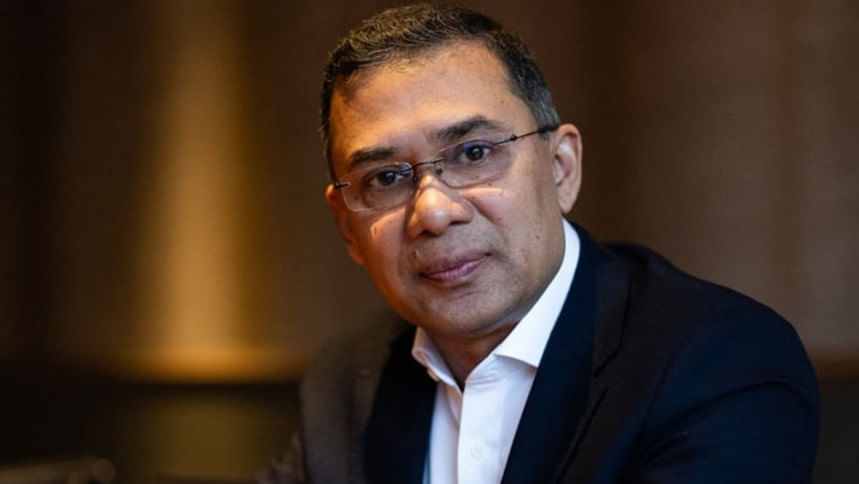
Mirza Fakhrul Islam Alamgir has said, “The country is heading into targeted killings.” Just a few hours earlier, his leader, Tarique Rahman, said that he had said it before and was repeating it: “An election will not happen easily.” On the other hand, the Chief Election Commissioner has written to the IGP seeking security for election offices nationwide. The Home Affairs Adviser has stated that election candidates will be provided with weapons.
These statements and actions have all taken place within just two days of the announcement of the election schedule. From this alone, a future snapshot of the electoral environment is already clearly visible—from the very first rays of sunrise.
Let us set aside the actions and statements of the Chief Election Commissioner and the Home Affairs Adviser for the moment. Mirza Fakhrul Islam Alamgir is a senior politician; Tarique Rahman may be younger, but given his position, information inevitably reaches him. There is therefore no room to take the words of either of them lightly. Moreover, regardless of what some people—or foreigners who do not truly understand Bangladesh—may say, since 5 August the BNP has not, in any meaningful sense, been in a favorable position.

And that this would happen—that the BNP would not remain in a favorable position—Mirza Fakhrul Islam Alamgir perhaps understood when the July movement took a turn in a different direction. That is why he urged the then-Prime minister to sit down quickly with the students. At the time, Obaidul Quader said that his Chhatra League alone was sufficient to suppress that movement. I am not saying that Obaidul Quader is a politician of a more diminutive stature than Mirza Fakhrul Islam Alamgir, but he was then operating in a different environment—politics had, in that moment, moved away from him.
At that time, many politically conscious people said that Mirza Fakhrul Islam was effectively performing the duties of a real Awami League general secretary. In reality, he was performing the responsibilities of a Bangladeshi politician.
In Bangladesh, solutions to political problems have always been forged on the streets. Politicians have a responsibility there—to ensure that politics remains in the hands of politicians.
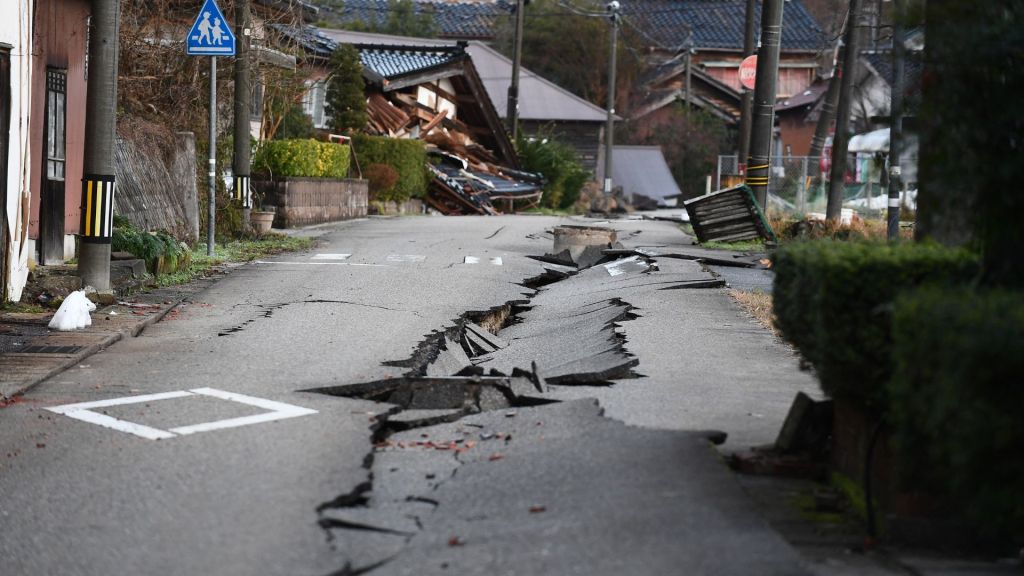
Earlier, in 1990, General Ershad fell through a mass uprising. After his fall, politics remained largely in the hands of politicians—namely Sheikh Hasina and Khaleda Zia. Naturally, after Ershad’s fall, the next power goalpost appeared before the Awami League and the BNP. Elections were held within three months. The BNP came to power. The Awami League sat in opposition. The reform that the country needed at that time—namely, a return to the parliamentary system—was carried out legitimately within parliament.
Later, when Khaleda Zia’s government held a one-sided, voterless election on 15 February 1996, the country again saw a mass uprising. Khaleda Zia’s government fell. Before her fall, in response to public demand, she added the caretaker government system to the constitution. As a result, a new caretaker government was constitutionally formed. Elections were held within three months. Not just the power goalpost, but everything in the country was then in the hands of politicians. Within three months, elections were held according to the will and opinions of politicians.
But when the July movement took a different turn from mid-July, Mirza Fakhrul Islam Alamgir, as a politician, may have understood that, given how the Awami League was likely to fall, the power goalpost would not quickly come before them.
Reality unfolded accordingly. After 5 August, BNP activists were able to engage in widespread vandalism and occupations, but the power goalpost has not yet shifted in their favor. Although the Awami League fell, power did not remain in the hands of politicians. Instead, those who once considered themselves fortunate to secure an appointment with Mirza Fakhrul took seats on the political stage. At the same time, Mirza Fakhrul Islam Alamgir and many other senior politicians were compelled to sit in chairs like students, listening to lectures on reform.
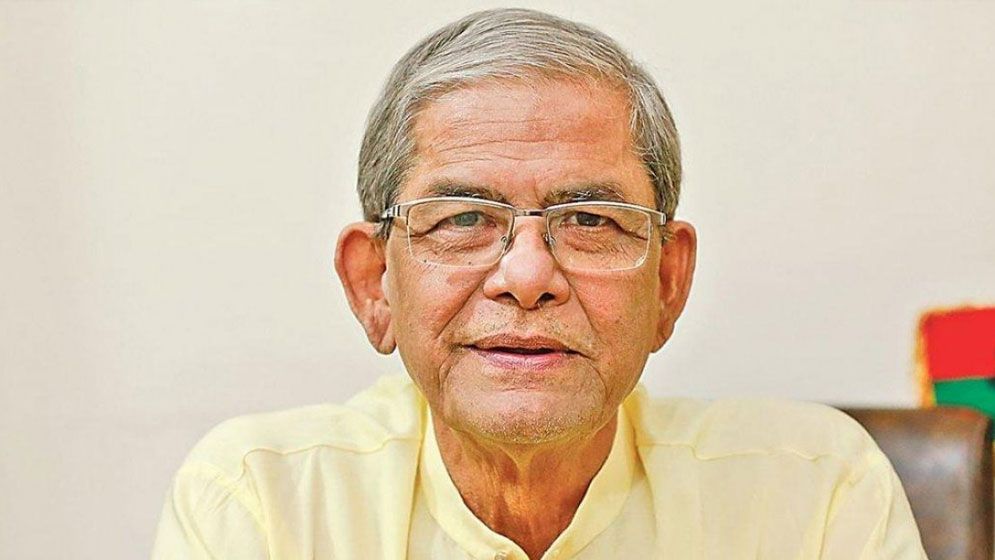
Perhaps sensing this reality, Mirza Fakhrul Islam Alamgir urged the then-Prime Minister Sheikh Hasina to resolve the issue promptly.
Because it is also true that no matter how much development the Awami League carried out, a combination of factors—from the behavior of its leaders onward—meant that the time for it to leave power was rapidly approaching. And had that happened naturally, the country would have remained in the hands of politicians. Elections would have been held within three months—and in that case, the power goalpost would quite naturally have stood before the BNP.
But the reality of the past seventeen months is that the power goalpost before the BNP has not only become uncertain, but many things in the country have become abnormal. As a result, BNP leaders are expressing doubts about the electoral goalpost that has been set. Not only the electoral environment, but also the alarming forecast of the path the country is heading down, is being signaled by Mirza Fakhrul Islam Alamgir.
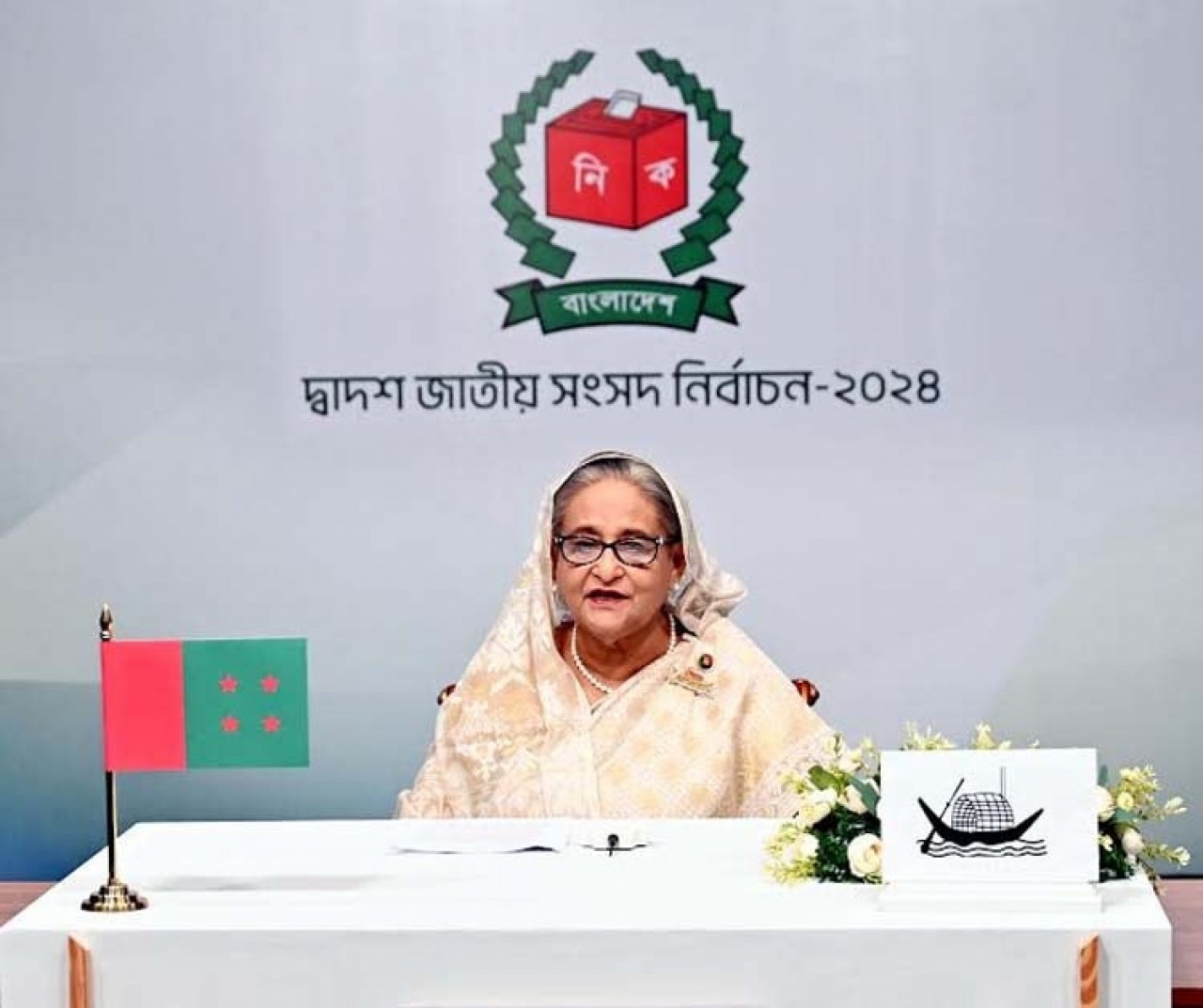
Moreover, even if the cup is won in the football match whose announcement has been made and whose goalpost has been set, how long that cup can be kept on the club’s shelf is a test that has already been conducted once through Sheikh Hasina.
So will that old match be played again… or is there some magician’s trick behind the electoral goalpost?
Whatever the reason, the country and its politics are no longer in the hands of politicians. At this moment, magicians are the real players of the state.
Author: Journalist awarded the highest state honor, Editor, Sarakhon, The Present World.