
9:02 pm, Thursday, 18 December 2025

California’s Ivanpah Debate Rekindles Questions About Costly Legacy Clean Power

Sarakhon Report

A high-profile solar plant and the price of mandates

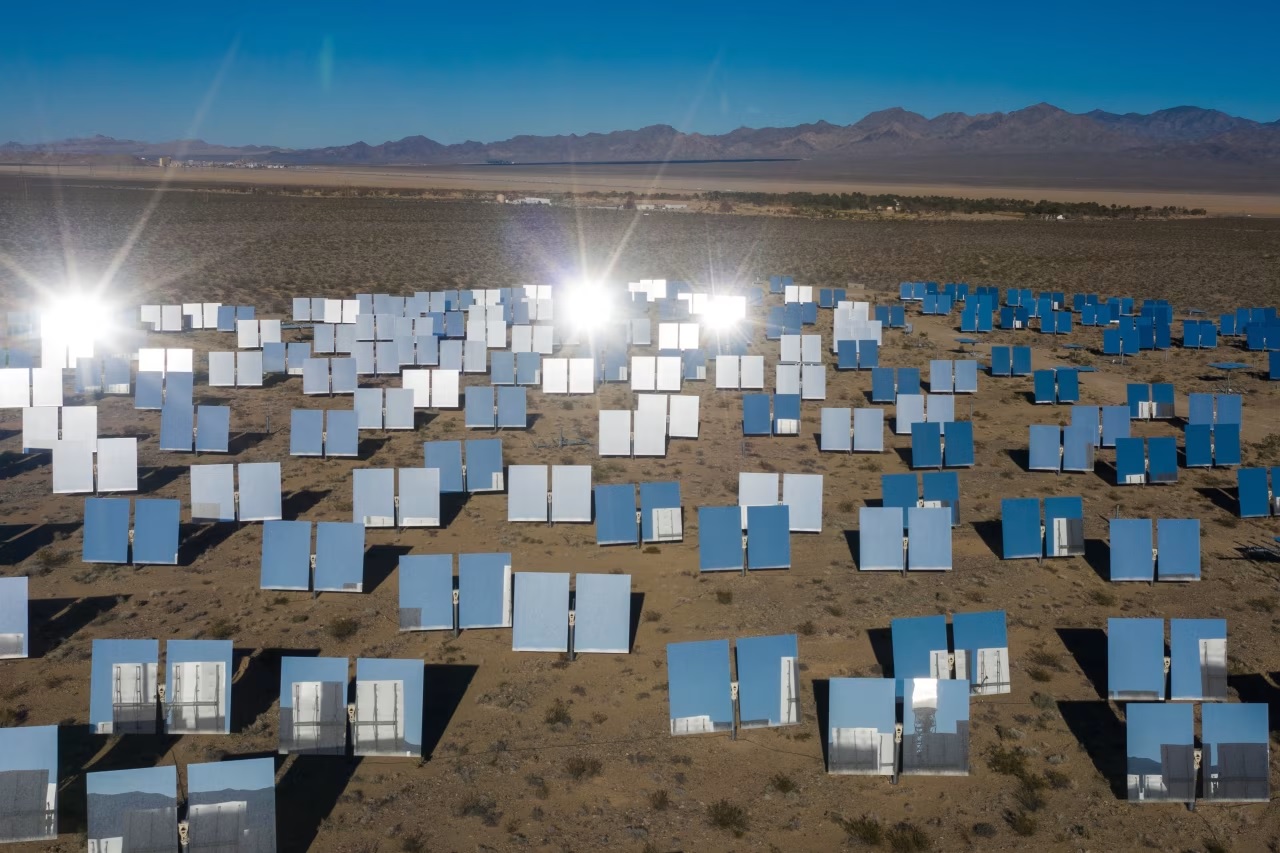
A Wall Street Journal editorial argues that California’s push for renewables is colliding with a familiar problem: what happens when a signature clean-energy project becomes uneconomic, but contracts and mandates keep it alive. The focus is the Ivanpah solar-thermal facility in the Mojave Desert, long marketed as a symbol of large-scale innovation. The editorial frames it as a stranded asset story—where ratepayers can be locked into paying for output that no longer competes with cheaper alternatives.

At the center is the state’s renewable mandate and the way utilities procure power. Long-term agreements can protect early projects, but they can also freeze old costs into today’s bills. The editorial’s claim is that, even as solar and wind pricing has changed dramatically over the past decade, regulatory structures can still compel utilities to keep buying from older facilities that are not delivering value.

California's solar and battery combo packs a transformational punch |  Reuters

The argument is not that renewables are unnecessary. It is that policy design matters, especially when the grid is evolving and when storage, flexible demand, and new generation types are changing what “reliability” looks like. A plant that once made sense as a demonstration can become a political object: closing it looks like admitting failure, while keeping it running looks like ignoring economics.

Ivanpah also carries a reputational weight. It was one of the most prominent solar-thermal projects in the United States, associated with grand expectations about concentrated solar power. When projects like this struggle, critics use them as evidence that green transitions are overpriced or mismanaged. Supporters counter that early projects help mature technologies and that learning costs are real.

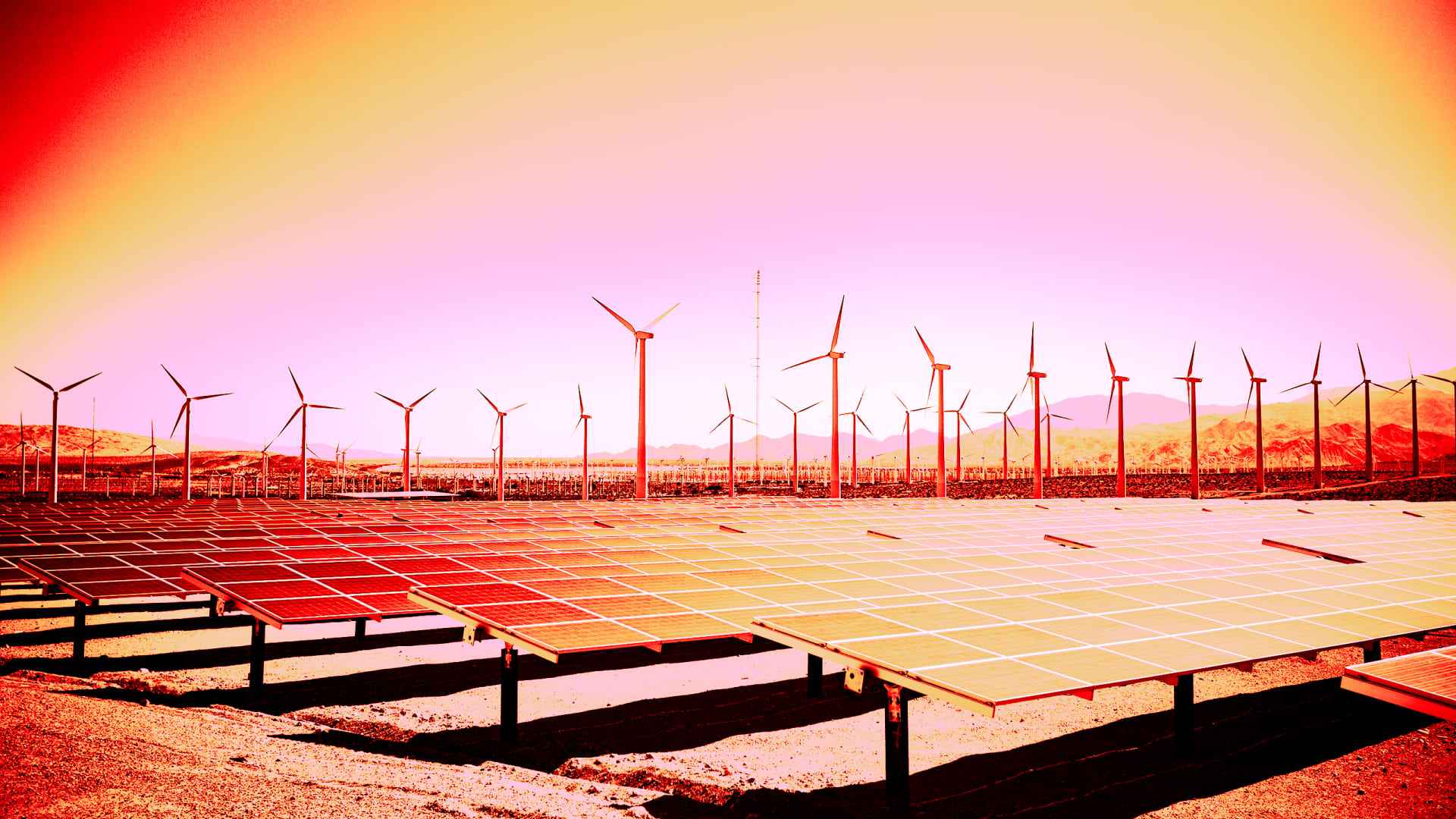
The editorial highlights the tension between climate goals and affordability. California’s grid policy is often held up as a national model, but high electricity prices are a persistent political vulnerability. If households feel the transition only as a rising bill, it becomes harder to maintain public support for decarbonization at the pace policymakers want.
In the California desert, residents are struggling with the influx of  massive solar projects - Fast Company

How this debate could shape the next phase of clean-energy buildout

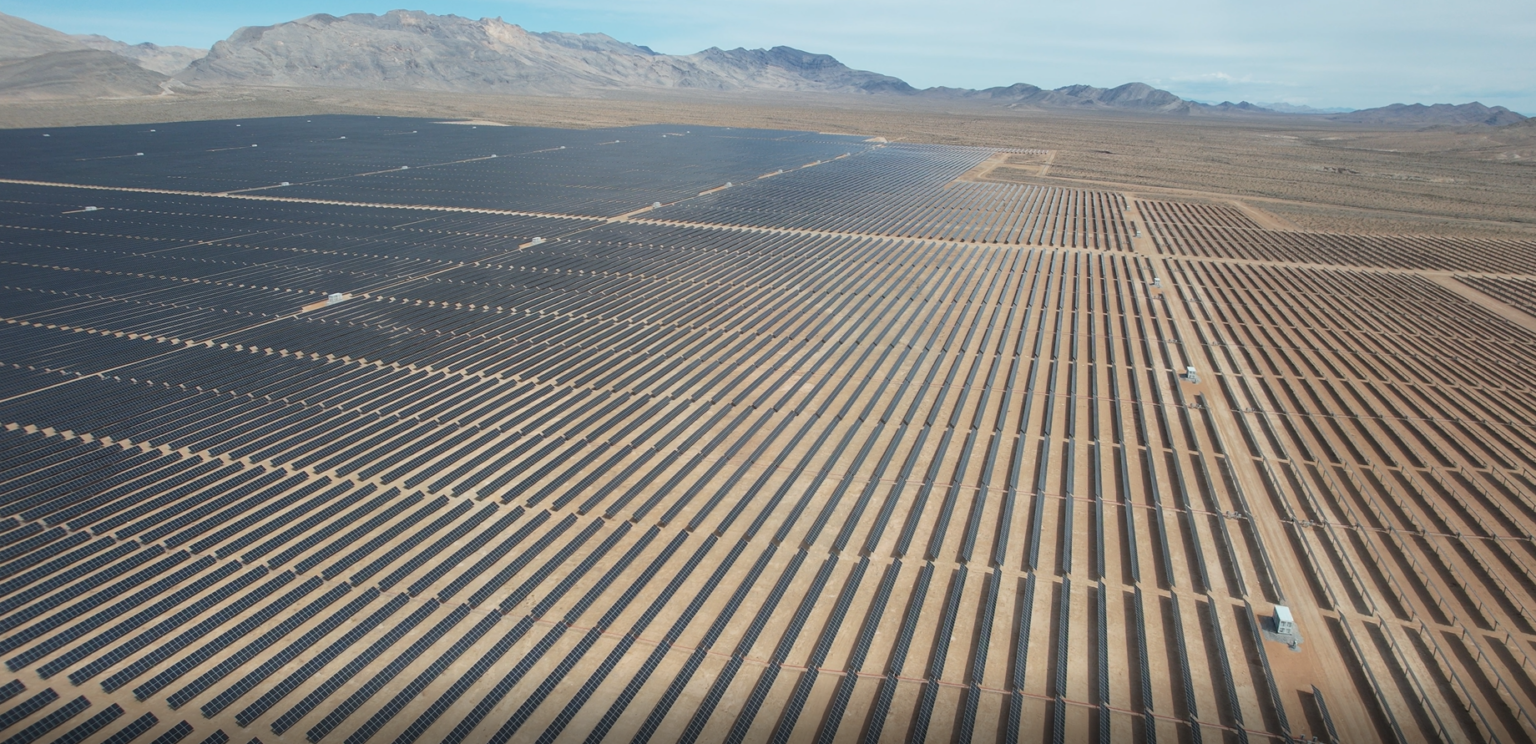
The broader question is how regulators handle “legacy” clean assets while accelerating new ones. One approach is renegotiation: utilities seek to buy out contracts or restructure terms to reduce ratepayer impact. Another is targeted retirement paired with replacement capacity, especially if newer solar-plus-storage can meet the same needs more cheaply.

The dispute also raises an accountability issue: who bears the downside when forecasts prove wrong. If private investors bear it, projects may be harder to finance. If ratepayers bear it, public trust erodes. The clean transition requires large capital flows, so the credibility of procurement rules matters.

For climate and energy coverage, the Ivanpah fight is a reminder that the energy transition is not only about technology. It is also about contracts, regulators, incentives, and the politics of admitting when yesterday’s solution no longer fits today’s grid.

California solar and storage project secures $1.1 billion – pv magazine USA


05:14:07 pm, Thursday, 18 December 2025

California’s Ivanpah Debate Rekindles Questions About Costly Legacy Clean Power

05:14:07 pm, Thursday, 18 December 2025

A high-profile solar plant and the price of mandates

A Wall Street Journal editorial argues that California’s push for renewables is colliding with a familiar problem: what happens when a signature clean-energy project becomes uneconomic, but contracts and mandates keep it alive. The focus is the Ivanpah solar-thermal facility in the Mojave Desert, long marketed as a symbol of large-scale innovation. The editorial frames it as a stranded asset story—where ratepayers can be locked into paying for output that no longer competes with cheaper alternatives.

At the center is the state’s renewable mandate and the way utilities procure power. Long-term agreements can protect early projects, but they can also freeze old costs into today’s bills. The editorial’s claim is that, even as solar and wind pricing has changed dramatically over the past decade, regulatory structures can still compel utilities to keep buying from older facilities that are not delivering value.

California's solar and battery combo packs a transformational punch |  Reuters

The argument is not that renewables are unnecessary. It is that policy design matters, especially when the grid is evolving and when storage, flexible demand, and new generation types are changing what “reliability” looks like. A plant that once made sense as a demonstration can become a political object: closing it looks like admitting failure, while keeping it running looks like ignoring economics.

Ivanpah also carries a reputational weight. It was one of the most prominent solar-thermal projects in the United States, associated with grand expectations about concentrated solar power. When projects like this struggle, critics use them as evidence that green transitions are overpriced or mismanaged. Supporters counter that early projects help mature technologies and that learning costs are real.

The editorial highlights the tension between climate goals and affordability. California’s grid policy is often held up as a national model, but high electricity prices are a persistent political vulnerability. If households feel the transition only as a rising bill, it becomes harder to maintain public support for decarbonization at the pace policymakers want.

In the California desert, residents are struggling with the influx of  massive solar projects - Fast Company

How this debate could shape the next phase of clean-energy buildout

The broader question is how regulators handle “legacy” clean assets while accelerating new ones. One approach is renegotiation: utilities seek to buy out contracts or restructure terms to reduce ratepayer impact. Another is targeted retirement paired with replacement capacity, especially if newer solar-plus-storage can meet the same needs more cheaply.

The dispute also raises an accountability issue: who bears the downside when forecasts prove wrong. If private investors bear it, projects may be harder to finance. If ratepayers bear it, public trust erodes. The clean transition requires large capital flows, so the credibility of procurement rules matters.

For climate and energy coverage, the Ivanpah fight is a reminder that the energy transition is not only about technology. It is also about contracts, regulators, incentives, and the politics of admitting when yesterday’s solution no longer fits today’s grid.

California solar and storage project secures $1.1 billion – pv magazine USA