A Tiny Caribbean Islet Becomes a “Love Nest” for a Critically Endangered Iguana

How relocation and predator-free habitat changed the odds
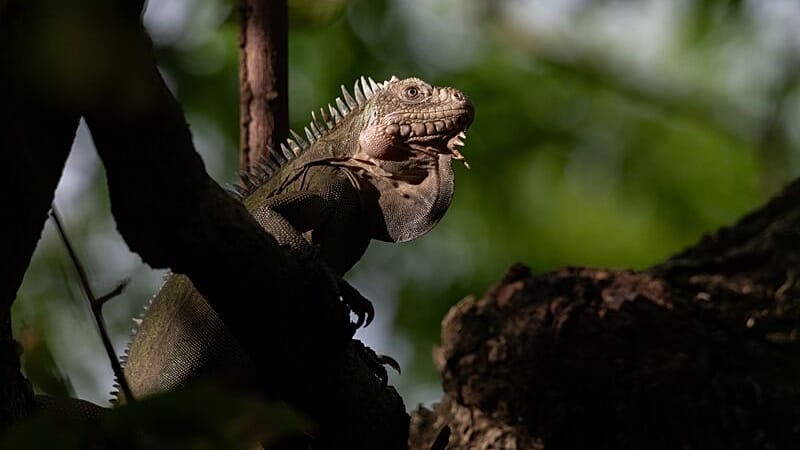
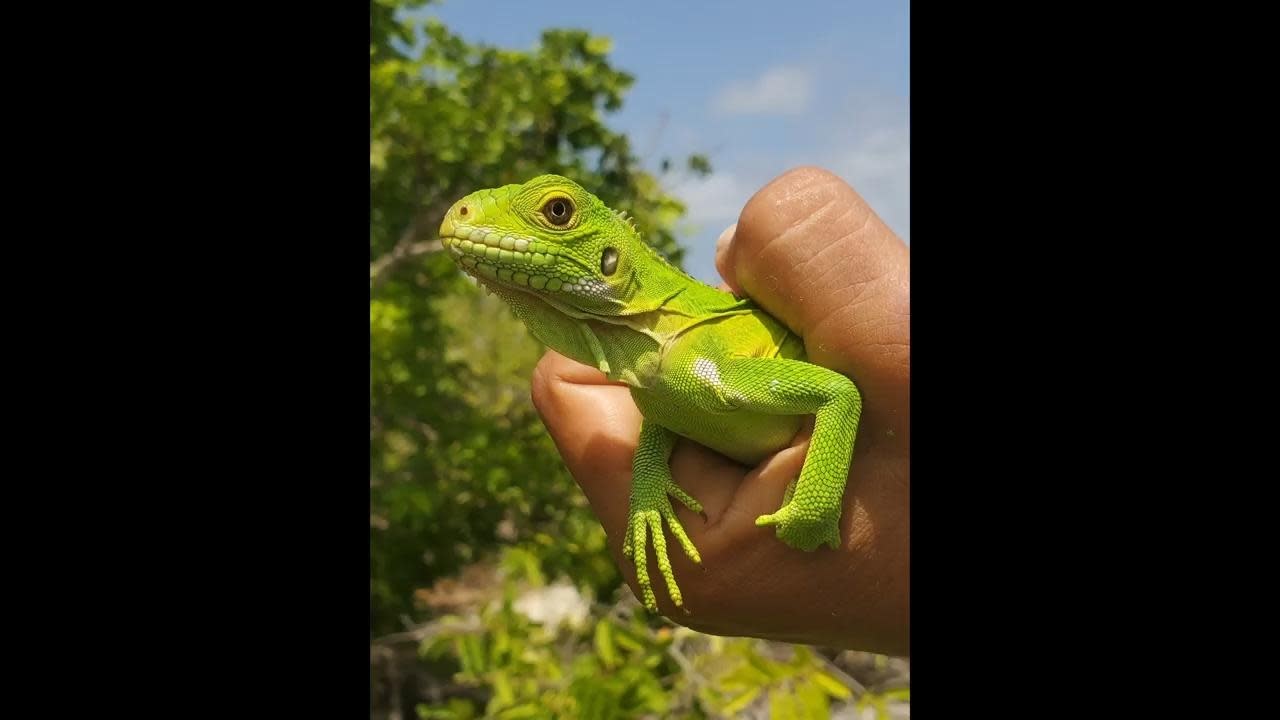
A conservation effort in the Caribbean is showing tangible results as the Lesser Antillean iguana, a critically endangered species, rebounds on a small islet near Anguilla. The project transformed Prickly Pear East Cay from a place with no native iguanas into a growing habitat where the lizards are breeding and expanding. Conservationists describe it as a rare win for island biodiversity, achieved through careful relocation and long-term monitoring.
Scientists and local environmental groups moved genetically confirmed iguanas to the predator-free cay after searching for remaining pure-bred individuals in Anguilla. The initial relocation involved transporting a small group by boat and releasing them in conditions designed to support survival and breeding. Over time, the population increased dramatically, and the cay began to sound and feel different, with visible activity that had once been absent.
The Lesser Antillean iguana faces multiple pressures across the region. One of the biggest is hybridization with invasive green iguanas, which can outcompete native species and dilute genetic lines. In island ecosystems, that kind of pressure can push a vulnerable species toward local extinction quickly, especially when habitat is limited and predators or human disturbance add stress.
To strengthen genetic diversity, the program also brought females from Dominica, where the largest remaining population exists. The goal is not only to raise numbers, but to maintain a healthier gene pool, reducing the risk that a small founding group leads to long-term fragility. Conservationists emphasize that such interventions require sustained effort, not one-off rescues.
For communities, the story is also about identity and stewardship. Local leaders involved in the work describe the iguana as something unique to their natural heritage. In places without charismatic megafauna, smaller endemic species can still anchor conservation pride and education, especially when the recovery is visible and measurable.

Why this matters beyond one species
Island restoration projects are increasingly used as a tool for biodiversity recovery, because islands provide natural boundaries for controlling predators and invasive species. If a species can be established safely on a protected islet, it can serve as a backup population—an insurance policy against disaster, disease, or ecological disruption elsewhere.
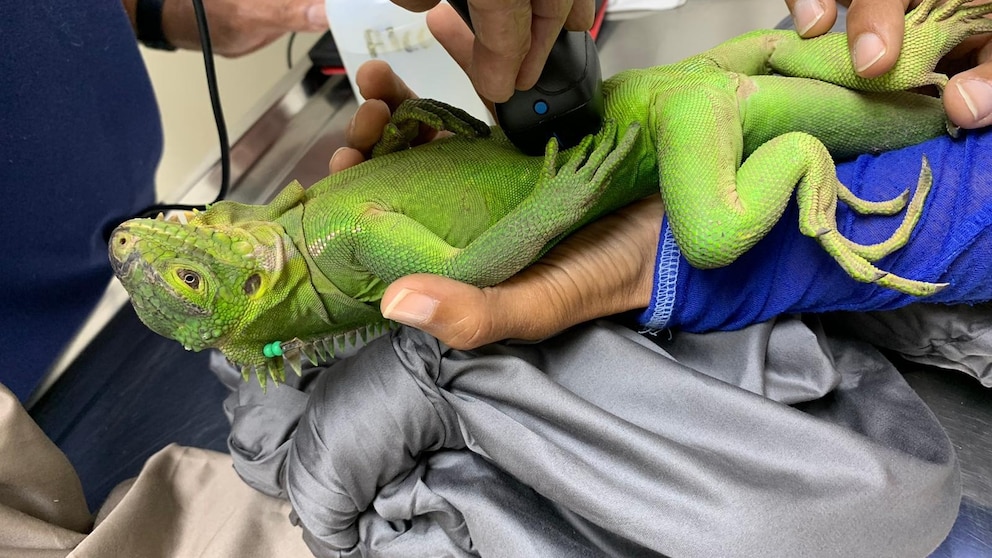
The project also shows how conservation can blend science and community action. Genetic testing, tagging, and monitoring are technical tasks, but local engagement determines whether an effort survives funding cycles and political changes. The long-term value is not only more iguanas, but a repeatable model for rescuing other endangered island species.
As climate impacts and land pressure increase across the Caribbean, such focused recovery programs may become more common. They will also become more contested, as space, tourism, and development compete with habitat protection. For now, Prickly Pear East stands as a quiet example of what targeted conservation can do when conditions are right.