9:22 pm, Friday, 26 December 2025

Xiaomi’s 17 Ultra Leica Edition Brings a Manual Zoom Ring Back to Smartphones

Sarakhon Report

Hardware-first camera control

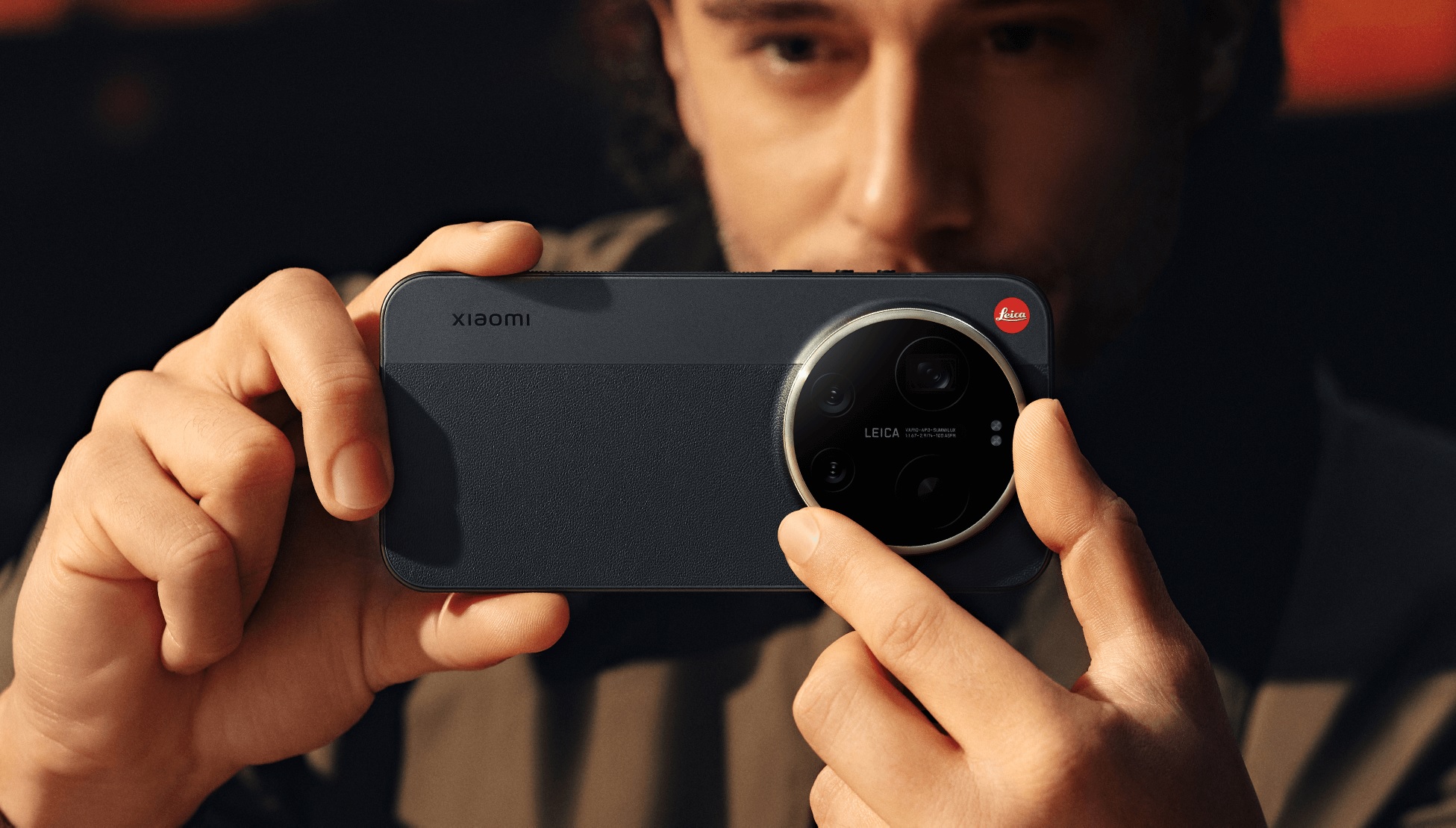
Xiaomi has unveiled a 17 Ultra Leica Edition smartphone that leans heavily into camera-first design, including a manual zoom ring meant to give users more tactile control than on-screen sliders. The move is a clear nod to photography enthusiasts who want fast, reliable framing without hunting through menus. It also signals that premium phone makers still believe there is room to differentiate through physical interaction, not just software features.

According to early details, the device is built around high-end imaging hardware, including a 1-inch main sensor and a high-resolution telephoto camera. Xiaomi is also emphasizing brightness and outdoor usability, with a display that can reach 3,500 nits, a spec that targets glare-heavy environments and high-contrast scenes. In practical terms, that is meant to keep the viewfinder usable when shooting under harsh sun—exactly the conditions where quick camera control matters most.

Why tactile controls are returning

Smartphones steadily removed camera buttons and dedicated controls as touchscreens improved, but creators keep asking for faster, more precise handling. A manual zoom ring is not just nostalgia; it is a workflow tool. It can help when filming short clips, switching focal lengths smoothly, or doing quick framing changes in crowded places where you cannot afford to miss a moment.

The question is whether mainstream buyers will value the feature enough to justify added complexity, cost and potential durability concerns. Physical components can introduce failure points, and they demand careful sealing, especially for water resistance. Xiaomi will likely argue that the Leica Edition audience is willing to trade some simplicity for a more “camera-like” feel, especially if the ring is well calibrated and responsive.
Competition, positioning and what comes next

Xiaomi 17 Ultra Leica Edition to feature DSLR-style rotary zoom ring,  Snapdragon 8 Elite Gen 5 | Technology News - The Indian Express

Camera performance remains one of the few areas where flagship Android phones can still create clear, everyday differences. Rival brands have focused on computational photography, AI-based scene optimization and larger sensor combinations. Xiaomi’s approach suggests a two-track strategy: pair top-tier sensors with a physical interface that makes the device feel like specialized gear.

If the zoom ring delivers consistent, low-latency control, it could influence competitors to reintroduce selective hardware features—buttons, dials or modular grips—especially as phone cameras continue to compete with dedicated compact cameras. But if it feels gimmicky or fragile, it may remain a niche experiment tied to limited editions and enthusiast marketing.

For users, the takeaway is simple: smartphone cameras are still evolving in more than one direction. Some brands are betting on more automation and AI. Xiaomi is betting that, at the high end, some people still want to drive.
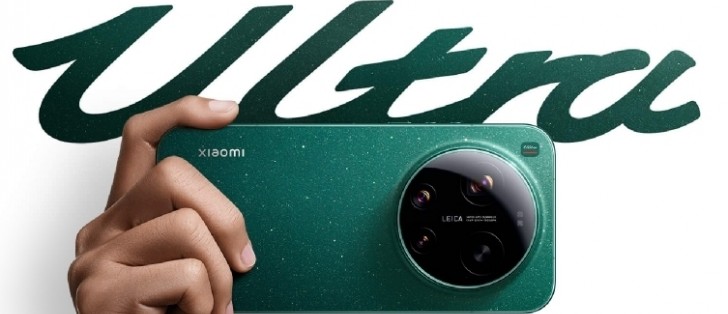

Xiaomi 17 Ultra has a physical zoom ring around its camera island -  GSMArena.com news

05:37:33 pm, Friday, 26 December 2025

Xiaomi’s 17 Ultra Leica Edition Brings a Manual Zoom Ring Back to Smartphones

05:37:33 pm, Friday, 26 December 2025

Hardware-first camera control

Xiaomi has unveiled a 17 Ultra Leica Edition smartphone that leans heavily into camera-first design, including a manual zoom ring meant to give users more tactile control than on-screen sliders. The move is a clear nod to photography enthusiasts who want fast, reliable framing without hunting through menus. It also signals that premium phone makers still believe there is room to differentiate through physical interaction, not just software features.

According to early details, the device is built around high-end imaging hardware, including a 1-inch main sensor and a high-resolution telephoto camera. Xiaomi is also emphasizing brightness and outdoor usability, with a display that can reach 3,500 nits, a spec that targets glare-heavy environments and high-contrast scenes. In practical terms, that is meant to keep the viewfinder usable when shooting under harsh sun—exactly the conditions where quick camera control matters most.

Why tactile controls are returning

Smartphones steadily removed camera buttons and dedicated controls as touchscreens improved, but creators keep asking for faster, more precise handling. A manual zoom ring is not just nostalgia; it is a workflow tool. It can help when filming short clips, switching focal lengths smoothly, or doing quick framing changes in crowded places where you cannot afford to miss a moment.

The question is whether mainstream buyers will value the feature enough to justify added complexity, cost and potential durability concerns. Physical components can introduce failure points, and they demand careful sealing, especially for water resistance. Xiaomi will likely argue that the Leica Edition audience is willing to trade some simplicity for a more “camera-like” feel, especially if the ring is well calibrated and responsive.
Competition, positioning and what comes next

Xiaomi 17 Ultra Leica Edition to feature DSLR-style rotary zoom ring,  Snapdragon 8 Elite Gen 5 | Technology News - The Indian Express

Camera performance remains one of the few areas where flagship Android phones can still create clear, everyday differences. Rival brands have focused on computational photography, AI-based scene optimization and larger sensor combinations. Xiaomi’s approach suggests a two-track strategy: pair top-tier sensors with a physical interface that makes the device feel like specialized gear.

If the zoom ring delivers consistent, low-latency control, it could influence competitors to reintroduce selective hardware features—buttons, dials or modular grips—especially as phone cameras continue to compete with dedicated compact cameras. But if it feels gimmicky or fragile, it may remain a niche experiment tied to limited editions and enthusiast marketing.

For users, the takeaway is simple: smartphone cameras are still evolving in more than one direction. Some brands are betting on more automation and AI. Xiaomi is betting that, at the high end, some people still want to drive.

Xiaomi 17 Ultra has a physical zoom ring around its camera island -  GSMArena.com news