9:26 pm, Friday, 26 December 2025

Turkey Says Russia Provided $9 Billion in New Financing for Akkuyu Nuclear Plant

Sarakhon Report

A major injection for a flagship project

Turkey says Russia has provided $9 billion in new financing for the Akkuyu nuclear power plant, a high-profile energy project on Turkey’s Mediterranean coast. The claim, made by Turkish officials, underscores how central Akkuyu remains to Ankara’s long-term energy plans and to Moscow’s broader strategy of keeping deep economic ties even as geopolitical tensions reshape trade and finance.

Akkuyu is designed to be Turkey’s first nuclear power plant, and it has been positioned by successive Turkish governments as a way to diversify the power mix and reduce reliance on imported fossil fuels. Financing has been a recurring focus because nuclear projects are capital intensive, highly regulated and sensitive to delays. A fresh $9 billion injection suggests an effort to keep construction momentum and reassure markets that the project’s cash flow is stable.

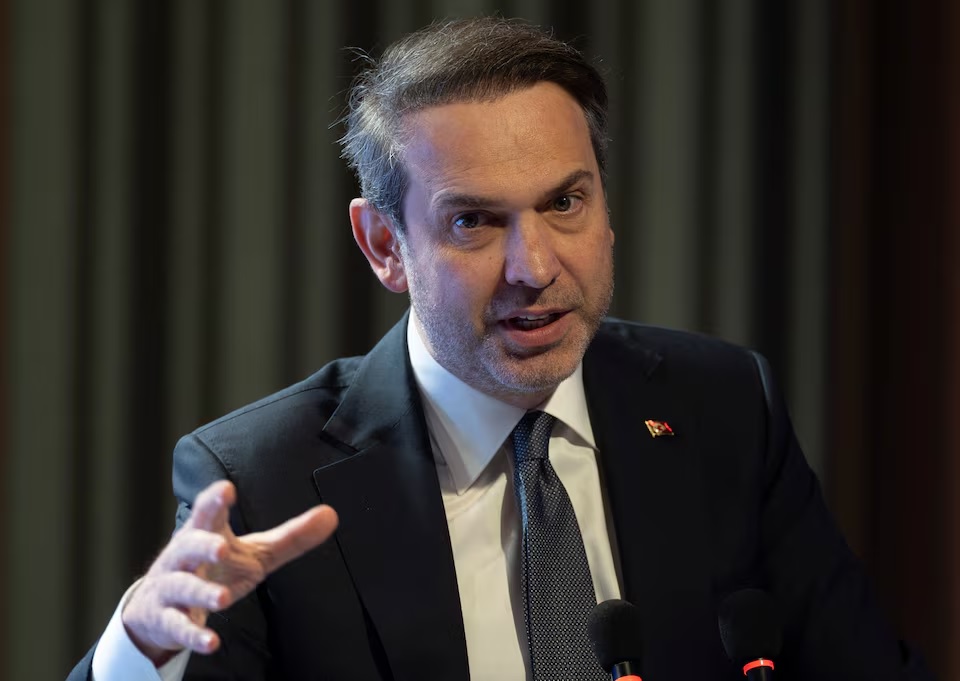
Turkey's Minister of Energy and Natural Resources Alparslan Bayraktar speaks during a conference at the Sabanci University Istanbul International Center for Energy and Climate in Istanbul

Energy security, leverage and domestic politics

For Turkey, the project is framed as energy security: expanding baseload generation that is not exposed to day-to-day swings in gas prices. But it also raises questions about dependence. A large share of financing and key technical participation coming from Russia can translate into long-term leverage, especially if fuel supply, maintenance contracts or operational support remain tied to Russian entities for decades.

That tension sits at the center of Turkey’s balancing act. Ankara has pursued diversified relationships with Western partners while maintaining pragmatic ties with Russia in energy, tourism and trade. Akkuyu is one of the clearest examples where strategic infrastructure intersects with diplomacy. The financing figure will be watched for what it implies about payment channels, project governance and whether sanctions-related constraints are being managed through carve-outs or alternative structures.

Russian Energy Week forum held in Moscow

What to watch next

The near-term questions include timelines, commissioning schedules and how Turkey intends to integrate nuclear power into its grid planning. Nuclear output is steady but inflexible, meaning grid upgrades and demand forecasting matter. There is also a public debate about safety, seismic resilience and oversight, particularly in regions where large infrastructure projects have faced scrutiny.

If the new financing keeps Akkuyu on track, Turkey could present it as a milestone in reducing import exposure and meeting rising electricity demand. If delays persist, the project may again become a domestic political flashpoint—both for cost reasons and for the broader question of how much strategic infrastructure should be anchored to a single foreign partner.

05:43:28 pm, Friday, 26 December 2025

Turkey Says Russia Provided $9 Billion in New Financing for Akkuyu Nuclear Plant

05:43:28 pm, Friday, 26 December 2025

A major injection for a flagship project

Turkey says Russia has provided $9 billion in new financing for the Akkuyu nuclear power plant, a high-profile energy project on Turkey’s Mediterranean coast. The claim, made by Turkish officials, underscores how central Akkuyu remains to Ankara’s long-term energy plans and to Moscow’s broader strategy of keeping deep economic ties even as geopolitical tensions reshape trade and finance.

Akkuyu is designed to be Turkey’s first nuclear power plant, and it has been positioned by successive Turkish governments as a way to diversify the power mix and reduce reliance on imported fossil fuels. Financing has been a recurring focus because nuclear projects are capital intensive, highly regulated and sensitive to delays. A fresh $9 billion injection suggests an effort to keep construction momentum and reassure markets that the project’s cash flow is stable.

Turkey's Minister of Energy and Natural Resources Alparslan Bayraktar speaks during a conference at the Sabanci University Istanbul International Center for Energy and Climate in Istanbul

Energy security, leverage and domestic politics

For Turkey, the project is framed as energy security: expanding baseload generation that is not exposed to day-to-day swings in gas prices. But it also raises questions about dependence. A large share of financing and key technical participation coming from Russia can translate into long-term leverage, especially if fuel supply, maintenance contracts or operational support remain tied to Russian entities for decades.

That tension sits at the center of Turkey’s balancing act. Ankara has pursued diversified relationships with Western partners while maintaining pragmatic ties with Russia in energy, tourism and trade. Akkuyu is one of the clearest examples where strategic infrastructure intersects with diplomacy. The financing figure will be watched for what it implies about payment channels, project governance and whether sanctions-related constraints are being managed through carve-outs or alternative structures.

Russian Energy Week forum held in Moscow

What to watch next

The near-term questions include timelines, commissioning schedules and how Turkey intends to integrate nuclear power into its grid planning. Nuclear output is steady but inflexible, meaning grid upgrades and demand forecasting matter. There is also a public debate about safety, seismic resilience and oversight, particularly in regions where large infrastructure projects have faced scrutiny.

If the new financing keeps Akkuyu on track, Turkey could present it as a milestone in reducing import exposure and meeting rising electricity demand. If delays persist, the project may again become a domestic political flashpoint—both for cost reasons and for the broader question of how much strategic infrastructure should be anchored to a single foreign partner.