9:30 pm, Saturday, 27 December 2025

Asia’s Export Engines Slow as Global Demand Softens Into Year-End

Sarakhon Report

Manufacturing momentum eases

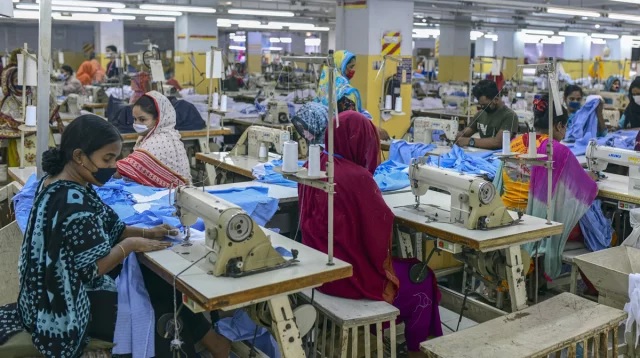
Several major Asian export economies are reporting slower growth as global demand weakens heading into the final weeks of the year. Factory output in key manufacturing hubs has moderated, with electronics, machinery, and consumer goods facing softer overseas orders. Analysts say the slowdown reflects cautious spending in North America and Europe amid high interest rates and lingering inflation pressures.

Regional data shows exporters adjusting production schedules and inventories rather than shutting capacity outright. Governments are monitoring the trend closely, wary of spillover effects on employment and currency stability. While the slowdown remains uneven, the broad direction has raised concern among policymakers who rely on exports to sustain growth.

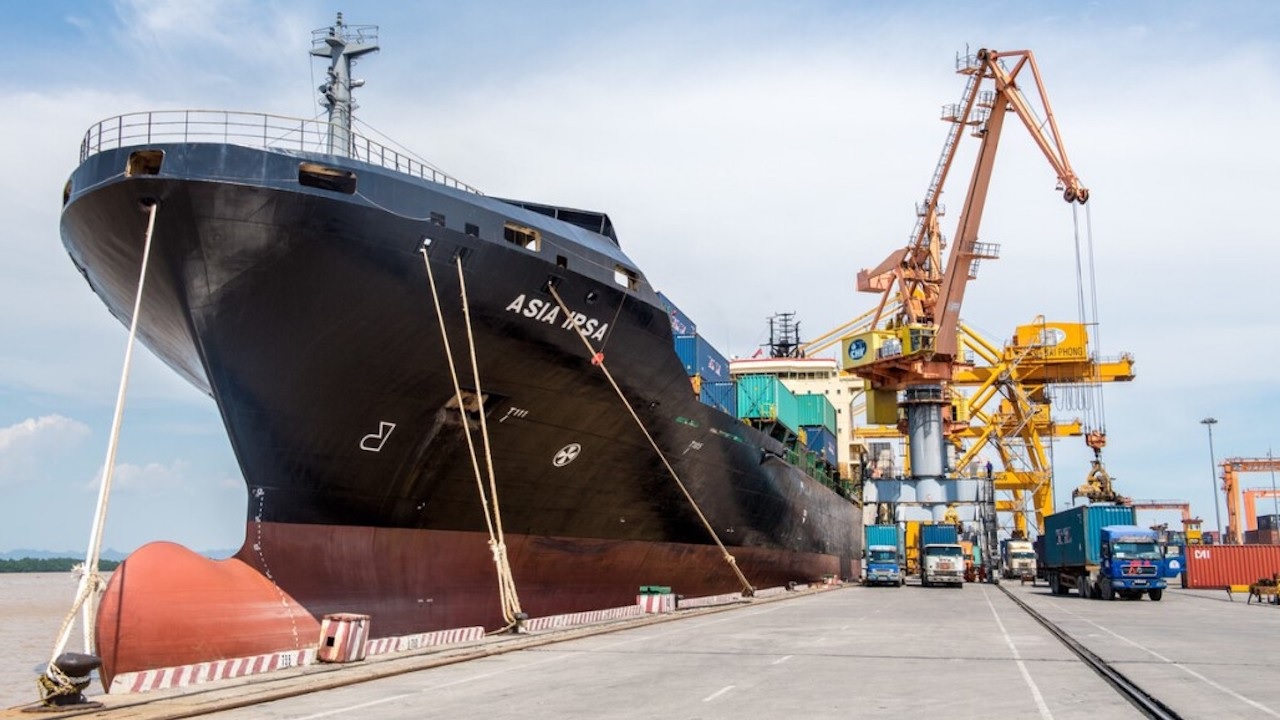
Asia's Export Engine Sputters - WSJ

Policy buffers and regional divergence

Some economies are better positioned than others. Countries with diversified trade partners and strong domestic demand have absorbed the slowdown more effectively. Others remain exposed to narrow export baskets and concentrated markets. Officials are increasingly turning to fiscal support, targeted subsidies, and regional trade initiatives to cushion the impact.

Economists caution against overreaction, noting that parts of the slowdown are cyclical rather than structural. However, they also warn that prolonged weakness could complicate recovery plans and delay investment decisions. The coming quarter is expected to test how resilient Asia’s export-led growth model remains under tighter global financial conditions.
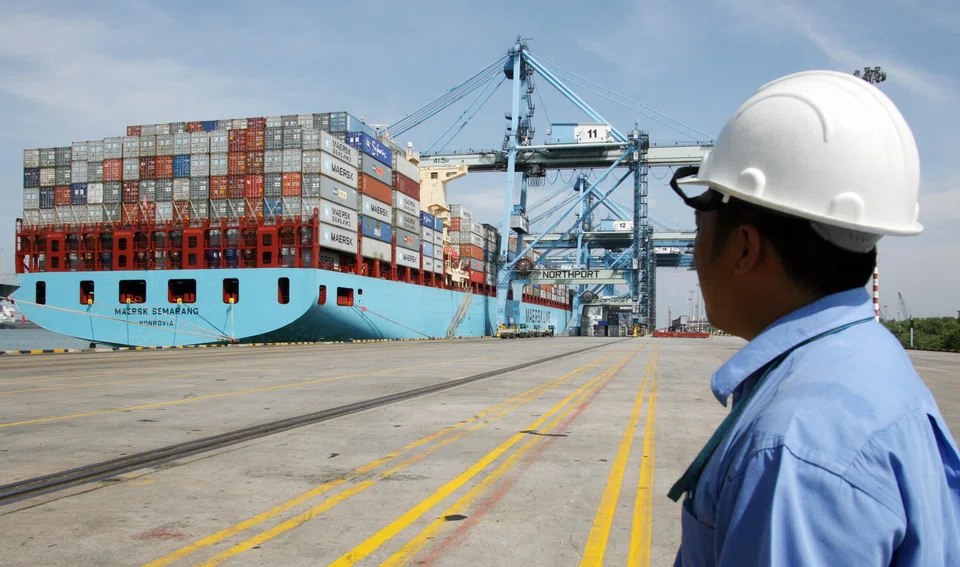

Slowing trade in 2026 could crimp Asia's growth momentum, but expect tech run to continue, say economists - The Business Times


06:03:58 pm, Saturday, 27 December 2025

Asia’s Export Engines Slow as Global Demand Softens Into Year-End

06:03:58 pm, Saturday, 27 December 2025

Manufacturing momentum eases

Several major Asian export economies are reporting slower growth as global demand weakens heading into the final weeks of the year. Factory output in key manufacturing hubs has moderated, with electronics, machinery, and consumer goods facing softer overseas orders. Analysts say the slowdown reflects cautious spending in North America and Europe amid high interest rates and lingering inflation pressures.

Regional data shows exporters adjusting production schedules and inventories rather than shutting capacity outright. Governments are monitoring the trend closely, wary of spillover effects on employment and currency stability. While the slowdown remains uneven, the broad direction has raised concern among policymakers who rely on exports to sustain growth.

Asia's Export Engine Sputters - WSJ

Policy buffers and regional divergence

Some economies are better positioned than others. Countries with diversified trade partners and strong domestic demand have absorbed the slowdown more effectively. Others remain exposed to narrow export baskets and concentrated markets. Officials are increasingly turning to fiscal support, targeted subsidies, and regional trade initiatives to cushion the impact.

Economists caution against overreaction, noting that parts of the slowdown are cyclical rather than structural. However, they also warn that prolonged weakness could complicate recovery plans and delay investment decisions. The coming quarter is expected to test how resilient Asia’s export-led growth model remains under tighter global financial conditions.

Slowing trade in 2026 could crimp Asia's growth momentum, but expect tech run to continue, say economists - The Business Times